
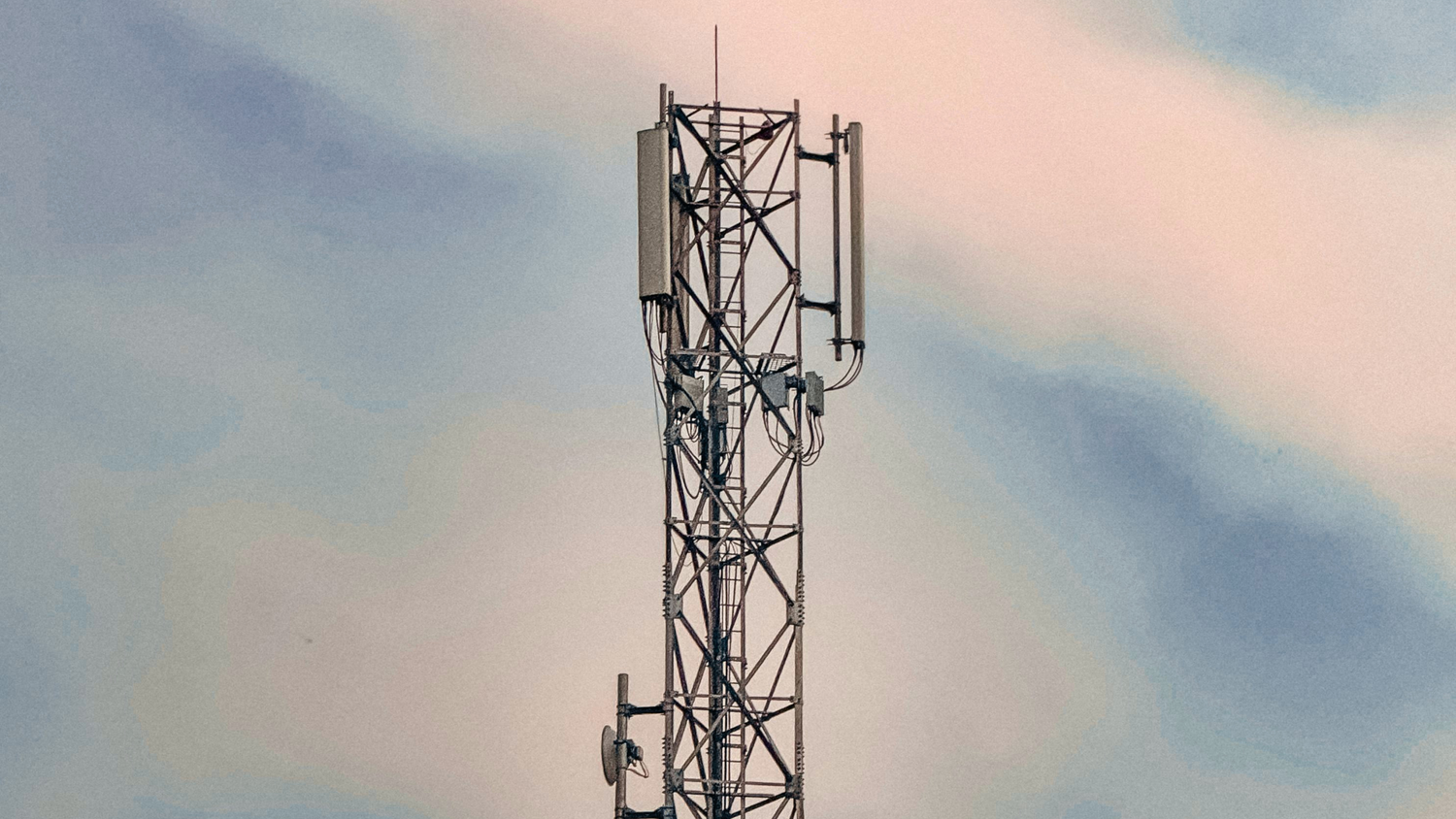
Electromagnetic fields (EMFs) aren’t something that people tend to consider in their day-to-day.
Your phone sits beside your bed while you sleep. Your WiFi runs 24/7. Bluetooth headphones stay in for hours. Screens can often dominate work, entertainment, and even socialising. At the same time, more people than ever are struggling with:
- Constant fatigue
- Poor sleep
- Brain fog
- Low focus
- Feeling wired and tired simultaneously
- Nervous system burnout
So the question on everyone’s mind at the moment seems to be:
Could EMFs be Affecting You More Than You Think?
The simple answer is yes, but it is more complex than that.
Science is evolving every day, around long-term EMF exposure, but many researchers and health-conscious individuals believe that constant wireless stimulation may contribute to overall stress load, more than we think, especially when combined with modern habits like poor sleep, chronic screen exposure and nonstop mental stimulation.
If your goal is high performance without burnout, your environment matters.
So let’s explore together:
- What EMFs actually are.
- Potential EMF effects on health.
- Whether EMFs can contribute to fatigue and poor sleep.
- How phones may affect recovery and focus.
- Simple ways to reduce EMF exposure naturally.
- Supportive tools that may help your body stay more resilient in a high-stimulation world.
What Are EMFs?
EMFs are invisible areas of energy produced by electrically charged objects. Some EMFs occur naturally, like sunlight and the Earth’s magnetic field.
But modern life has introduced constant exposure to man-made EMFs, including:
- Mobile phones
- WiFi routers
- Bluetooth devices
- Smart watches
- Laptops and tablets
- Wireless earbuds
- Smart home systems
- 5G networks
There are two main categories, but what’s the difference?
Low Frequency EMFs
Produced by household wiring, electrical systems and appliances.
Radiofrequency (RF) EMFs
Produced by wireless communication devices like phones, WiFi and Bluetooth. Most health discussions focus on RF EMFs because exposure levels have dramatically increased in the digital era.

Do EMFs Affect Your Health?
Many health authorities maintain that current EMF exposure limits are considered safe. At the same time, researchers argue that long-term, cumulative exposure hasn’t been fully understood, particularly regarding:
- Sleep quality
- Stress response
- Cognitive performance
- Recovery capacity
- Nervous system regulation
Humans today are exposed more to wireless stimulation than any other previous generation. Whether that affects everyone equally is another question entirely. Some people appear far more sensitive to environmental stressors, while others notice little difference.
Potential EMF Effects on Health
Research into EMFs and health is still evolving, but studies continue to explore possible links between electromagnetic exposure and issues like sleep disruption, fatigue, brain fog, headaches and difficulty concentrating. Some researchers believe constant wireless exposure may influence the body’s stress response and nervous system regulation, particularly in people already dealing with high levels of stress and overstimulation.
At the same time, symptoms like low energy and poor focus are rarely caused by one factor alone. Chronic stress, excessive screen time, poor sleep, blue light exposure, sedentary habits and constant digital stimulation all place pressure on the nervous system. EMFs may not be the sole cause, but they could contribute to the overall load on the body.
Rather than creating fear around technology, the goal is awareness and balance. Reducing unnecessary exposure, improving sleep habits and spending more time outside, which creates a lower stimulation environment, may support better recovery, focus and improve long-term energy levels.
Do Phones Affect Sleep Quality?
01
Screens suppress melatonin production, making it harder for the brain to transition into sleep mode.

02
Late-night scrolling keeps the nervous system alert and activated.
03
Even silent phones can create subconscious anticipation and stress.

04
Some Studies suggest nighttime wireless exposure may affect sleep architecture and recovery in certain individuals.
01
Screens suppress melatonin production, making it harder for the brain to transition into sleep mode.
02
Late-night scrolling keeps the nervous system alert and activated.
03
Even silent phones can create subconscious anticipation and stress.
04
Some Studies suggest nighttime wireless exposure may affect sleep architecture and recovery in certain individuals.
Can EMFs Affect Brain Function & Focus?
Modern life already fragments attention. Most people are constantly switching between:
- Emails
- Notifications
- Messages
- Social media
- Video content
- Multitasking
This creates continuous cognitive load. Some people also report that heavy wireless exposure appears to worsen:
- Brain fog
- Mental fatigue
- Difficulty concentrating
- Irritability
- Reduced deep-focus capacity
Whether EMFs directly cause these issues remains debated, but creating a lower-stimulation environment consistently improves cognitive performance for many people.
Signs Your Environment May Be Overloading Your Nervous System
There is no need to fear wireless technology; just listen to what feedback your body gives you. You may benefit from reducing digital and EMF load if you:
- Sleep poorly despite feeling exhausted.
- Feel mentally overstimulated at night.
- Crash after prolonged screen exposure.
- Struggle to switch off mentally.
- Experience focus problems during heavy device use.
- Feel calmer outdoors or away from technology.
- Constantly feel “on edge” or wired.
How to Reduce EMF Exposure (Without Becoming Extreme)
You don't need to move into the wilderness or throw away your phone to reduce EMF exposure. Small, practical adjustments can meaningfully reduce unnecessary exposure while improving recovery.
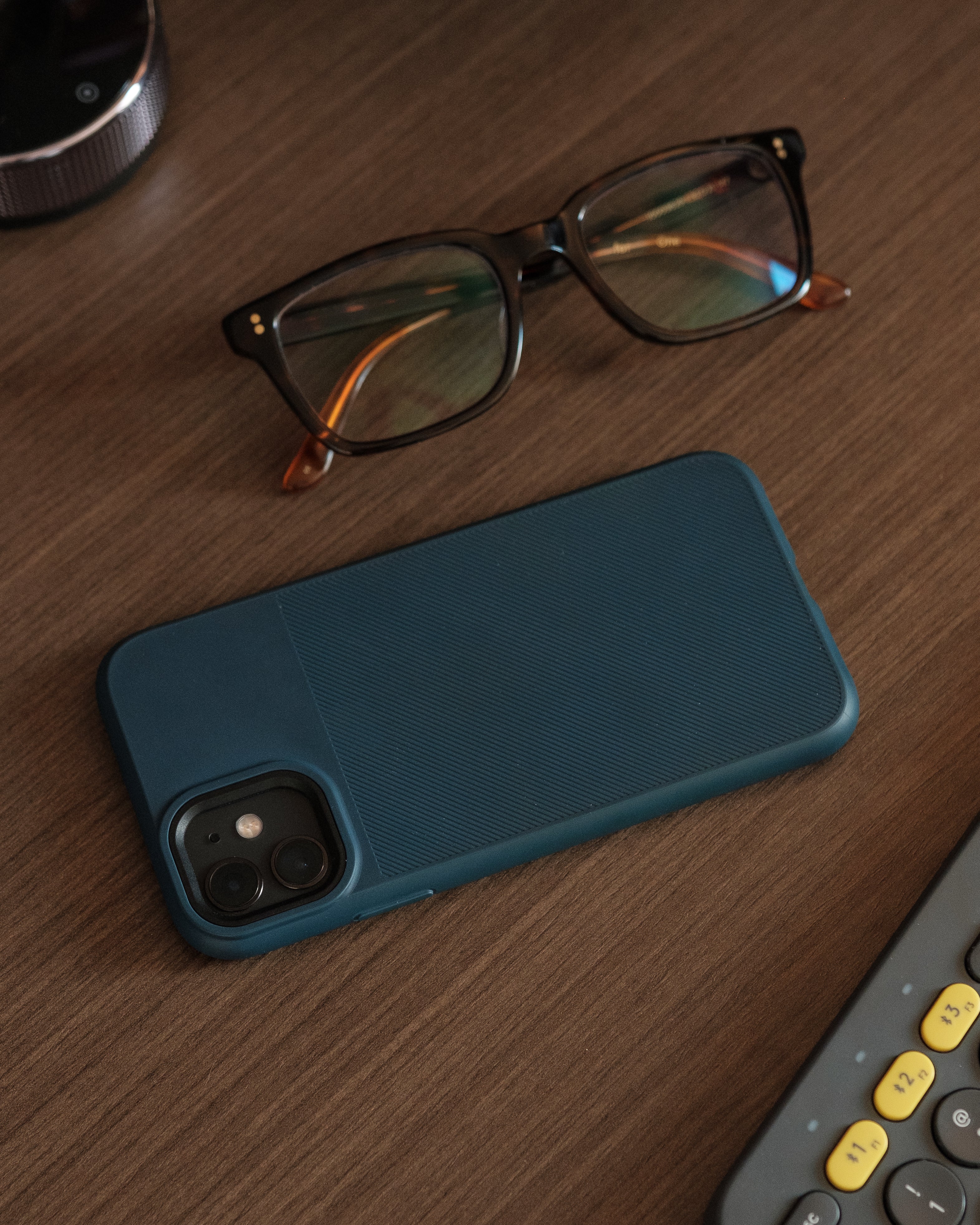
01
This is one of the easiest upgrades.
- Airplane mode overnight.
- Charging your phone across the room with a specific space.
- Avoiding devices under pillows or beside your head.
02
Switch off your router while sleeping.
Many people report a deeper sleep and a calmer bedroom environment when reducing night time wireless exposure.
03
Wireless headphones and wearables like smart watches create constant close-range exposure.
Wired options can reduce unnecessary load during work sessions.

04
Aim for at least 60 minutes of lower stimulation before sleep. Instead of scrolling, try melatonin supportive production and nervous system downregulation with:
- Reading
- Stretching
- Journaling
- Breathwork
- Calm audios or audiobooks

05
Natural environments help regulate stress physiology.
Sunlight, movement, grounding and reduced digital stimulation can all support energy and recovery.

06
Your bedroom should support deep restoration, focus on:
- Darkness
- Cool temperatures
- Minimal electronics
- Quiet
- Consistent sleep timing
01
This is one of the easiest upgrades.
- Airplane mode overnight.
- Charging your phone across the room with a specific space.
- Avoiding devices under pillows or beside your head.
02
Switch off your router while sleeping.
Many people report a deeper sleep and a calmer bedroom environment when reducing night time wireless exposure.
03
Wireless headphones and wearables like smart watches create constant close-range exposure.
Wired options can reduce unnecessary load during work sessions.
04
Aim for at least 60 minutes of lower stimulation before sleep. Instead of scrolling, try melatonin supportive production and nervous system downregulation with:
- Reading
- Stretching
- Journaling
- Breathwork
- Calm audios or audiobooks
05
Natural environments help regulate stress physiology.
Sunlight, movement, grounding and reduced digital stimulation can all support energy and recovery.
06
Your bedroom should support deep restoration, focus on:
- Darkness
- Cool temperatures
- Minimal electronics
- Quiet
- Consistent sleep timing
Supporting Your Body in a High-Stimulation World
Modern life constantly taxes the nervous system, even if EMFs are only one piece of the puzzle. This is why many people are becoming more intentional about supporting recovery, sleep quality and stress regulation.
Leela Quantum Tech
Some people incorporate tools like Leela Quantum Tech into their recovery routines as part of a broader approach to reducing environmental stress and supporting energetic balance.
Users often combine this with:
- Better sleep routines.
- Reduces night time screen exposure.
- Grounding routines and breathwork.
H2+ Tablets
Recovery isn’t only about reducing stimulation; it’s also about supporting the body internally. Hydration, oxidative stress support and cellular resilience all play important roles in energy and recovery. That’s why some people also incorporate H2+ Tablets into their daily wellness routines to support:
- Energy production.
- Recovery.
- Cellular health.
- Overall resilience.
The Bigger Picture: Performance Without Burnout
The bigger picture isn't just EMFs; it’s cumulative overload. Most people today are living in constant stimulation, information overload, poor sleep, chronic stress, artificial light exposure and nonstop digital input. EMFs are just one small part of a much larger pressure placed on the nervous system.
The issue isn’t something to approach with fear, but with recovery in mind. When the system is overloaded, performance drops because there’s simply less capacity to restore balance and function properly.
What makes the biggest difference is creating conditions where recovery can actually happen: calmer evenings, deeper sleep and less constant stimulation of attention and awareness.
Over time, as that load reduces, energy, focus and resilience naturally start to return.
Finalising EMFs
So, do EMFs affect your energy, sleep and focus?
Yes, especially when combined with the broader stress load of modern life. While the science continues evolving, many people notice meaningful improvements when they:
- Reduce unnecessary device exposure.
- Improve sleep hygiene.
- Lower night time stimulation.
- Support recovery intentionally.
- Create calmer environments for the nervous system.
You don’t need to become obsessed with getting EMFs out of your life, but becoming more intentional about your environment may help you feel calmer, clearer, more focused and better recovered. In a world built around constant stimulations, protecting your energy is becoming a serious advantage.
FAQ
Do EMFs affect your health?
Research is ongoing, but some studies and personal reports suggest EMFs may influence sleep, stress response, focus and fatigue in certain individuals.
Do phones affect sleep quality?
Yes. Phones can disrupt sleep through blue light exposure, mental stimulation, notifications and potentially night time wireless exposure.
Can EMFs affect brain function?
Some individuals report focus issues, brain fog and cognitive fatigue associated with heavy digital exposure, though research is still evolving.
Ready to try it?
Explore our full range of hydrogen wellness solutions and feel the difference for yourself.
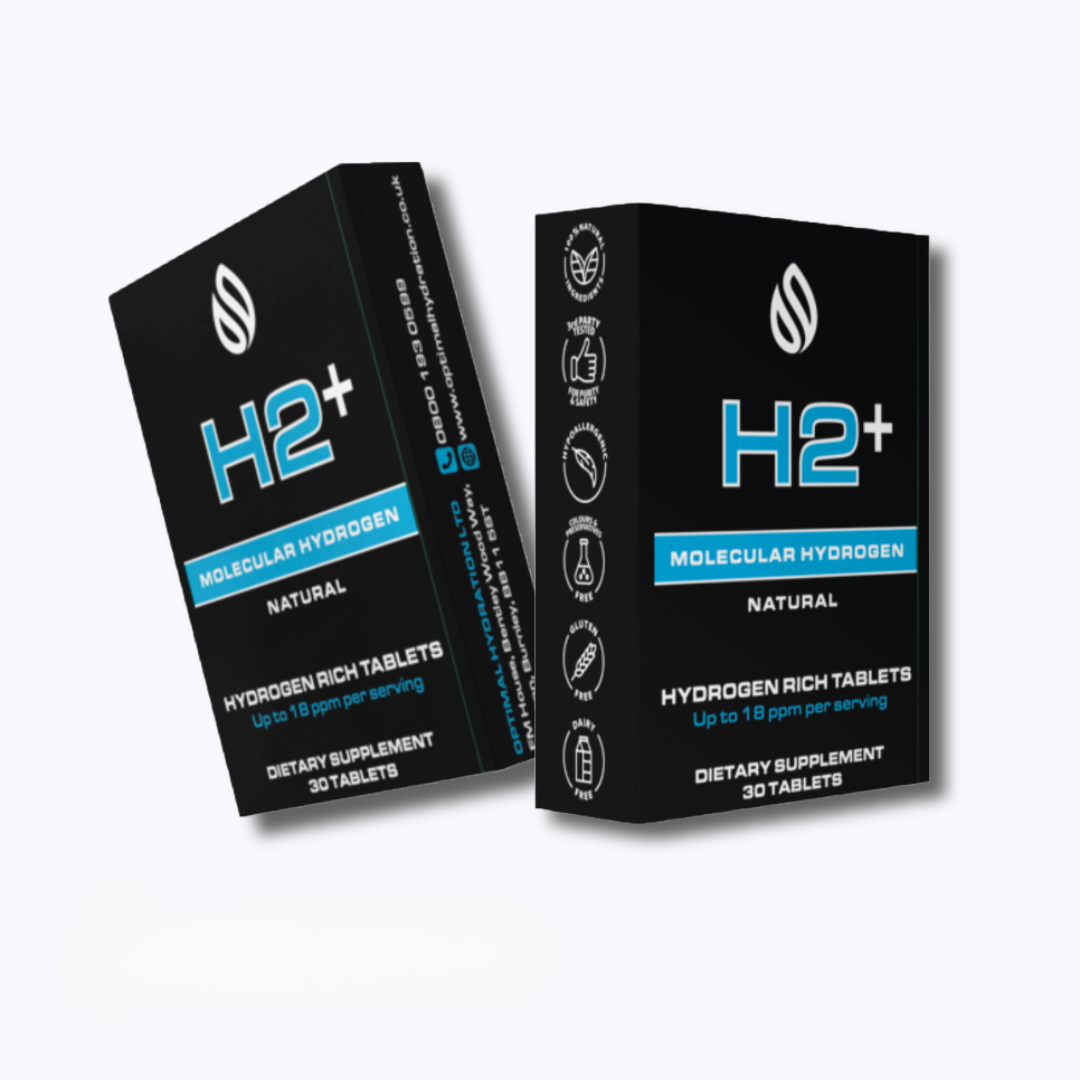

H2+ Molecular Hydrogen Tablets - Natural
Sale priceFrom £29.95

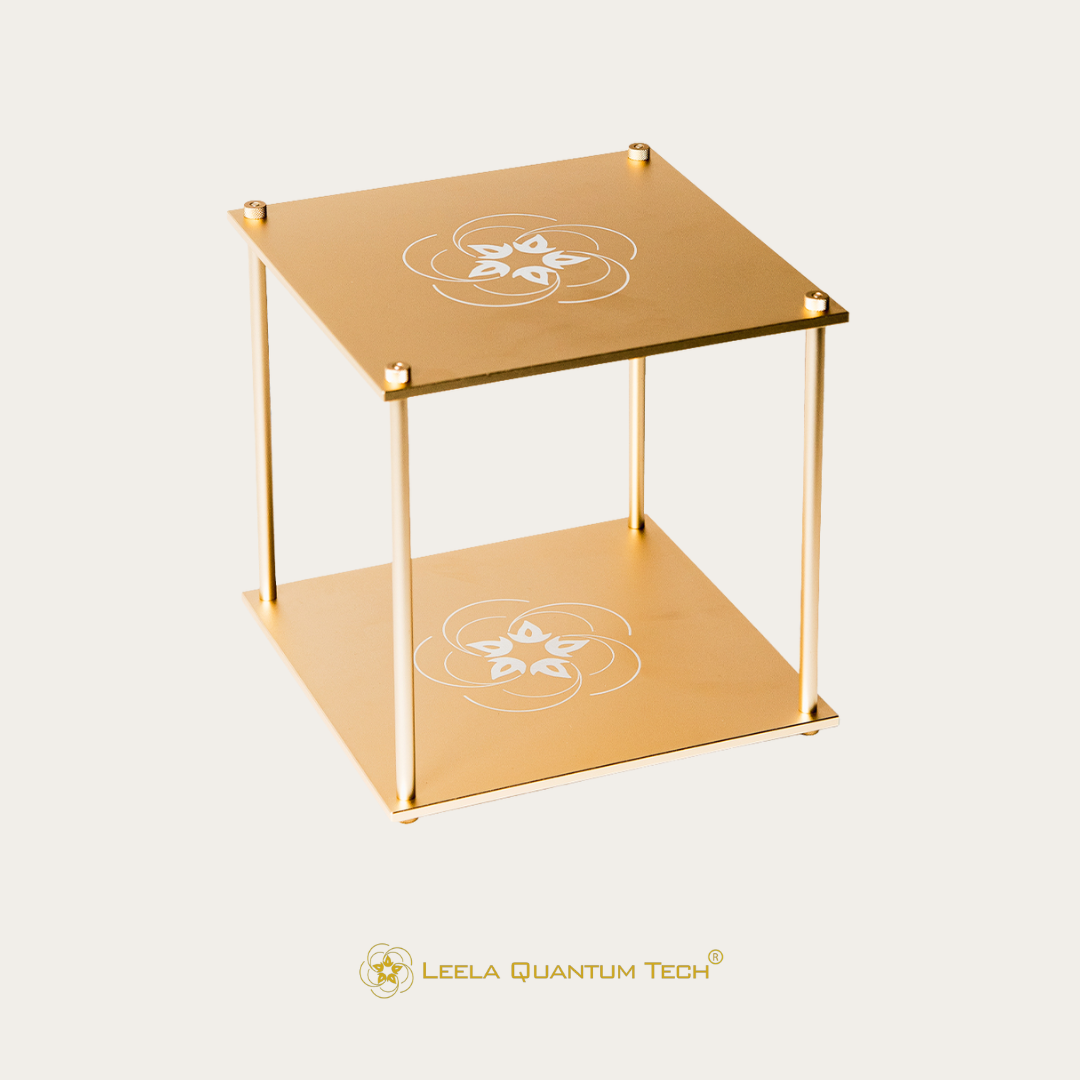
Quantum Bloc
Sale price£1,420.00


H.E.A.L.360™ Capsule Petite
Sale price£129.00

H2+ Molecular Hydrogen Tablets - Natural Raspberry
Sale priceFrom £29.95


Travel & Car Bloc
Sale price£839.00


Super Bloc
Sale price£1,680.00