At some point, most people try to fix low energy, headaches, or that general “off” feeling by drinking more water. It’s simple advice, and it makes sense.
But what happens when you are already doing that and no progress is being made? You’re still tired. Your focus drops halfway through the day. You feel thirsty more often than you should. It can be confusing, especially when you’re actively trying to do something good for your body.
If you’ve ever wondered, “Why am I still dehydrated?” The answer usually isn’t that you need more water. It’s that your body isn’t using what you’re drinking as effectively as it could.
Hydration Is a Process, Not a Number
Hydration is often treated like a daily target, a certain number of litres to aim for. But your body doesn’t work like a measuring jug. When you drink water, it has to be absorbed into the bloodstream, transported around the body, and then pulled into your cells where it’s actually needed. This is what’s referred to as cellular hydration, and it’s where real hydration happens.
If that process isn’t working efficiently, increasing your water intake won’t necessarily fix the problem. You’re adding more in, but not improving how it’s being used.
Electrolytes vs Water: What’s Actually Missing?
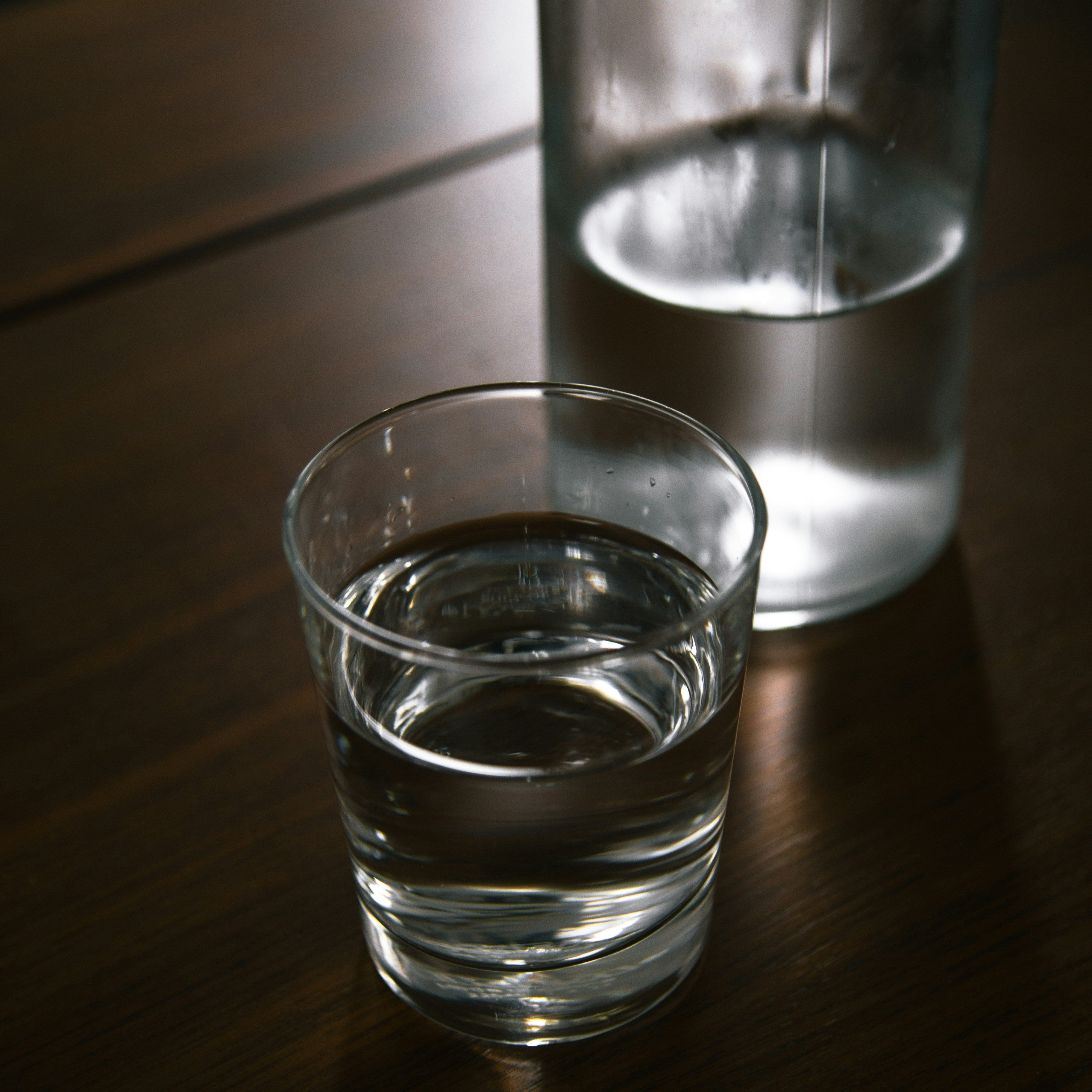
Water plays an important role, but it doesn’t act alone. Your body relies on electrolytes, minerals like sodium, potassium and magnesium to regulate fluid balance and support basic functions.
One of their key roles is helping water move into your cells and stay there. Without enough of these minerals, your body struggles to retain fluids properly.
This is where the distinction between electrolytes vs water becomes important. Water delivers hydration, but electrolytes make it usable. Without that balance, it’s easy to end up in a cycle where you drink more but don’t feel properly hydrated.
Why Drinking More Can Sometimes Make It Worse
It sounds counterintuitive, but in some cases, drinking large amounts of plain water can actually make hydration feel worse rather than better.
This tends to happen when electrolyte levels become diluted. The body responds by increasing fluid output, which can leave you feeling like the water is just “going straight through you”
You might notice patterns like:
- Frequent urination without feeling refreshed
- Ongoing thirst despite high water intake
- Low energy rather than a clean boost
This isn’t failure on your part; it’s simply a sign that hydration isn’t balanced.
Modern Habits and the Hydration Gap
A big reason this issue is so common now comes down to lifestyle. Many people are more active, consume more caffeine and rely on convenience foods that are often lower in natural mineral content.
At the same time, there’s a strong push to drink more water without much attention given to what’s missing alongside it.
It’s part of the reason why interest in modern, holistic supplements and vitamins is growing immensely right now. People are looking for ways to feel more energised, but often the underlying issue is something more foundational, like hydration not being utilised to its full potential.
Looking Deeper: Molecular Hydration Water Benefits
Once electrolytes are in place, there’s another layer of understanding how well your cells are functioning.
Even with the right balance of fluids and minerals, your cells still need to be in a good state to absorb and use what they’re given. Molecular Hydrogen is the next step; it’s been studied for its potential role in supporting cellular health and reducing oxidative stress. In simple terms, it may help create a better internal environment for your cells to function efficiently.
And when your cells function better, hydration tends to follow. It’s not a replacement for water or electrolytes, but rather an additional way to support the system that uses them.
Hydration, energy and Focus Are All Connected
It’s easy to think of hydration as something just physical, something that affects how thirsty you feel, how your skin looks or how you perform at the gym. But hydration goes beyond all that.
Your brain is one of the most hydration-sensitive organs in your body, and it relies on a constant, balanced supply of fluids to function properly. It’s not just about having enough water overall, but about maintaining the right balance so your brain can operate efficiently.
Even small drops in hydration can begin to affect this balance. Blood flow can become slightly less efficient, the delivery of oxygen and nutrients can slow and the electrical signals your brain relies on to communicate can lose some of their sharpness. It could be noticed by finding it harder to concentrate on simple tasks, or noticing your thoughts feel a bit slower than usual. Focus becomes something you have to work at, rather than something that comes naturally. That clear, steady mental energy starts to feel slightly out of reach.
What’s important to understand is that this isn’t just about needing more water. It’s about how effectively your body and your brain can use that water once it’s there. That’s why hydration plays such a crucial role in not just physical performance but mental clarity, energy and even motivation.
Proper Hydration Tips: A Smart Approach
Improving hydration doesn’t mean overhauling everything. In most cases, it’s about making a few small adjustments that allow your body to use water more effectively.
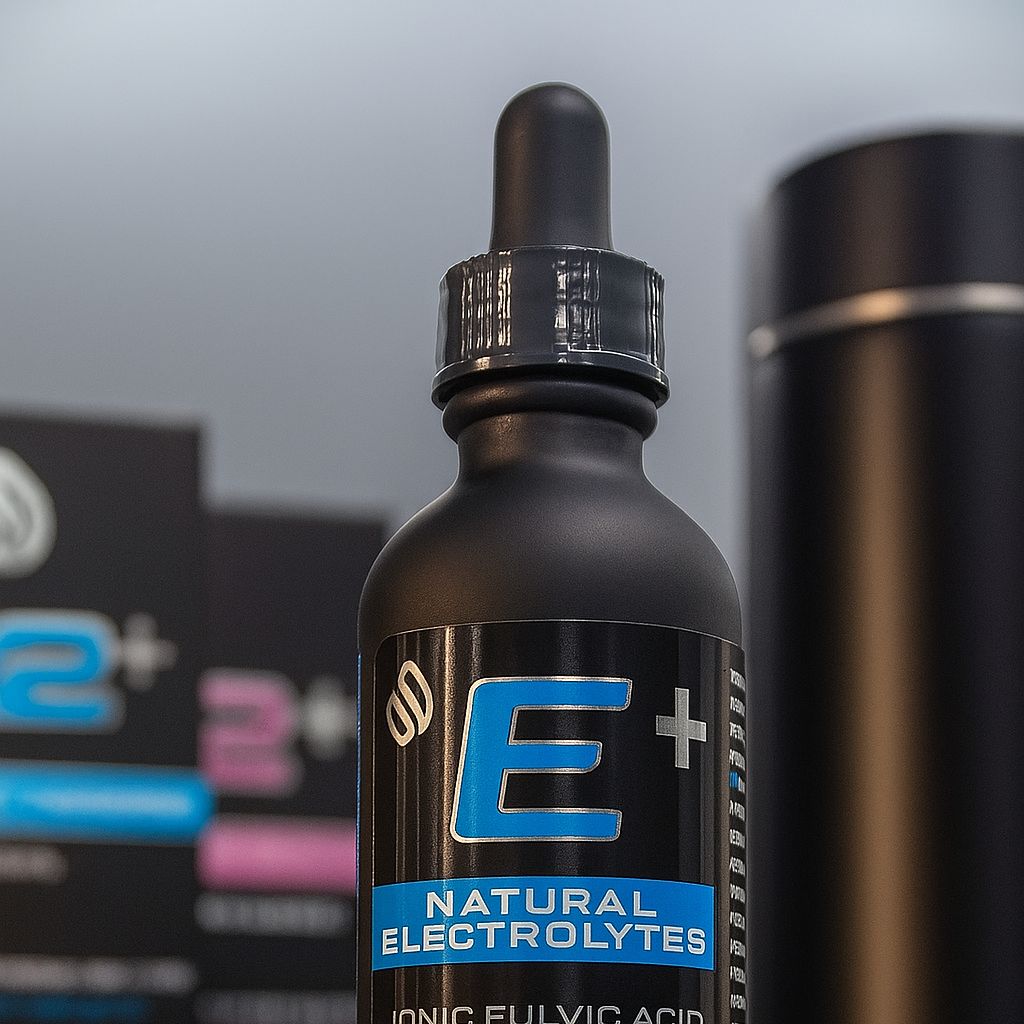
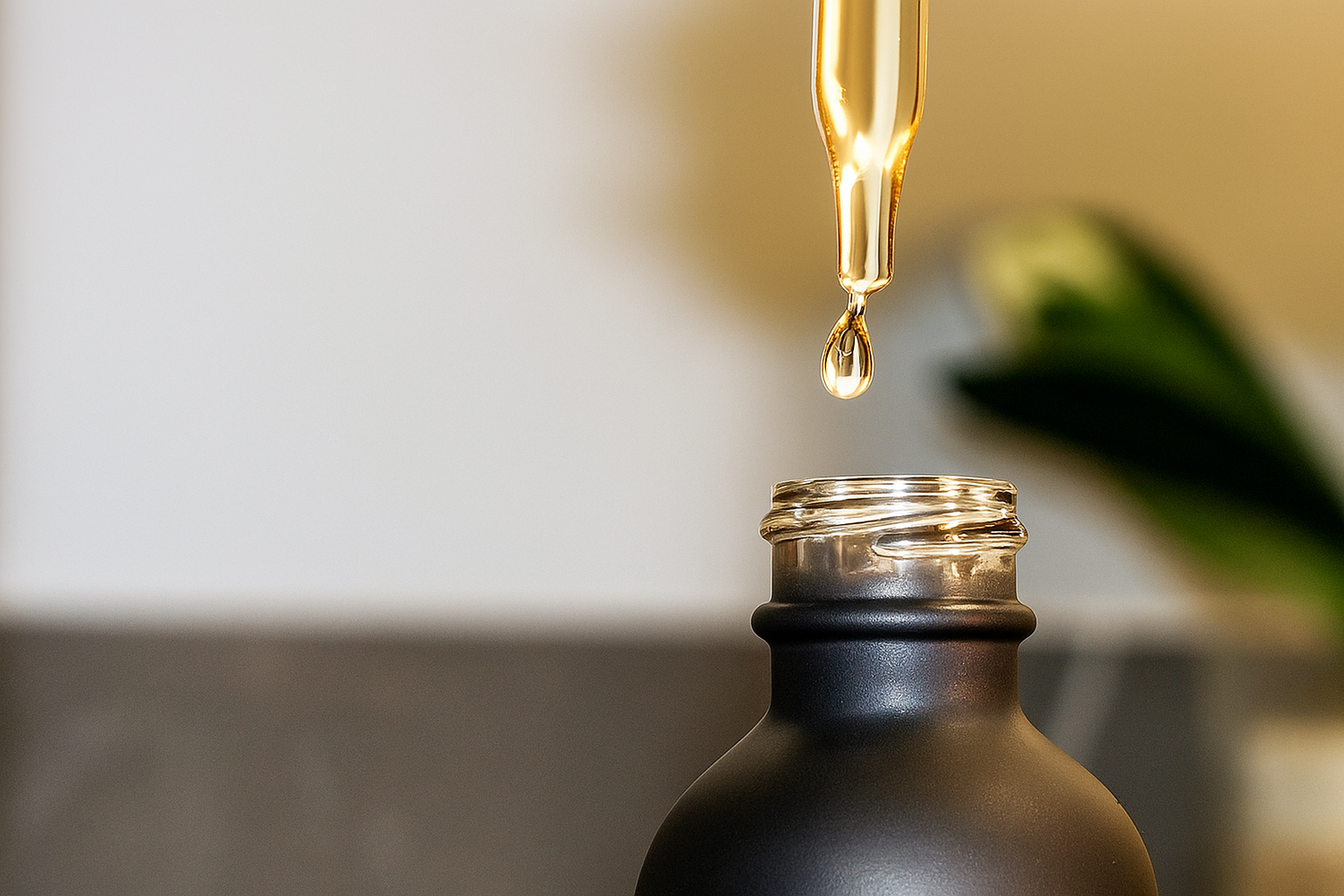
E+ Natural Electrolytes
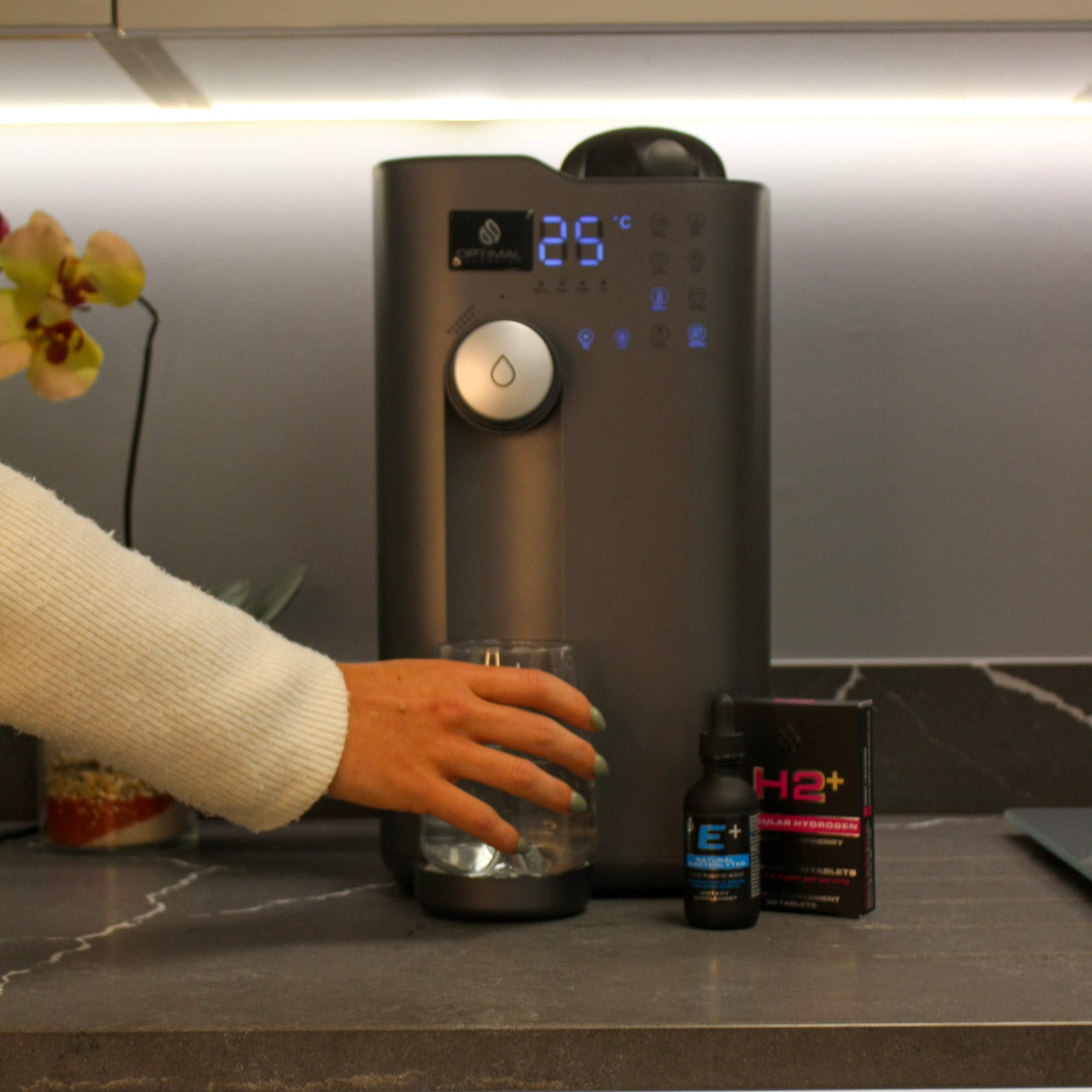
Start by thinking about balance rather than volume. Pairing your water with electrolytes can help your body retain and distribute fluids properly.
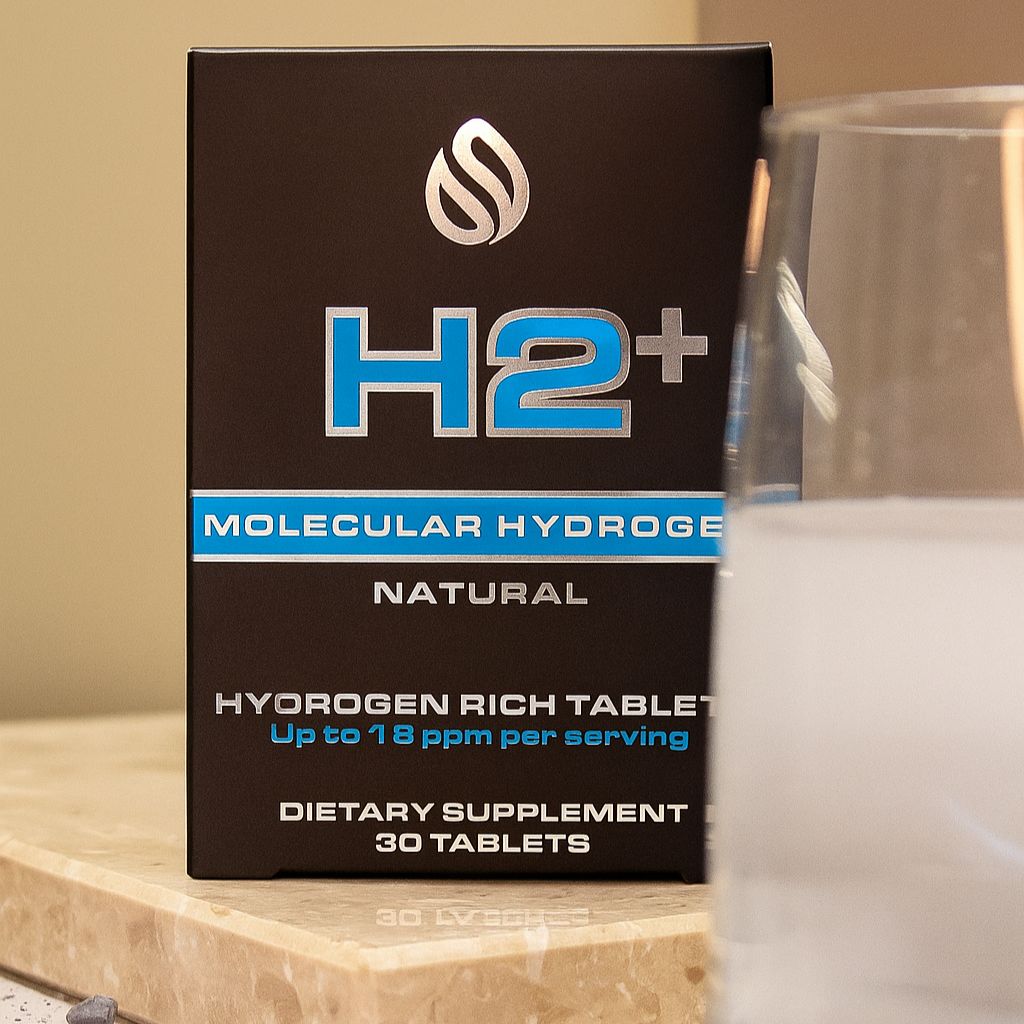
H2+ Molecular Hydrogen
It is also worth considering how your body functions at a cellular level; supporting this aspect of hydration can make a noticeable difference in how you feel day-to-day. Molecular hydrogen is designed to work alongside water by helping support a more efficient internal environment.
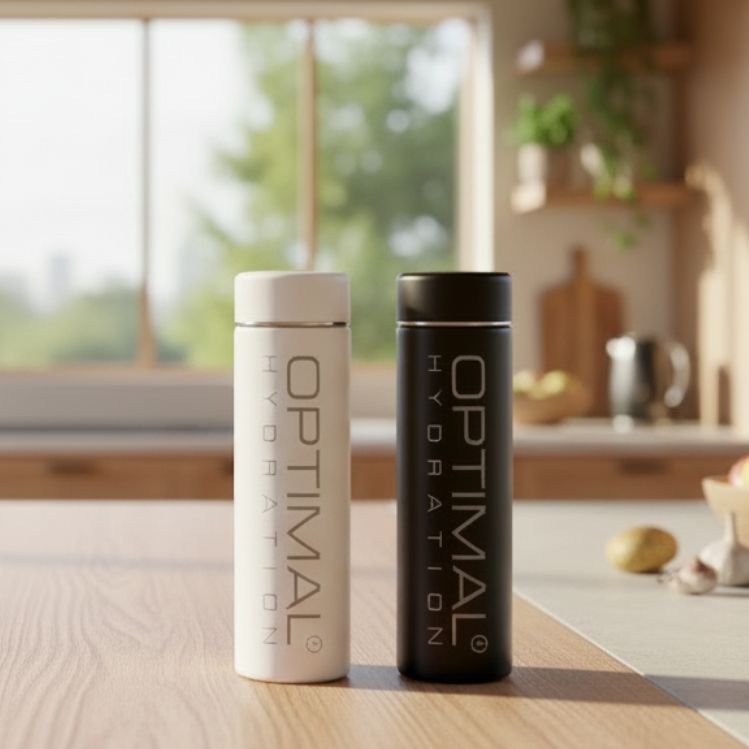
Timing
Timing also plays a strong role; drinking consistently is helpful, but constantly forcing water throughout the day can sometimes do more harm than good. Paying attention to thirst, activity levels and how you feel tends to be more effective than sticking rigidly to a number.
When Is It Not About Drinking More?
If you’re regularly drinking water but still experiencing:
- Persistent thirst
- Energy dips
- Difficulty concentrating
- Slower recovery after activity
This means it may be worth examining how your hydration is working, rather than focusing on how much you're consuming.
The Bottom Line
Water is essential, but it’s only one part of the hydration equation.
Your body relies on electrolytes to maintain fluid balance and on healthy cells to effectively utilise the nutrients from what you drink. When either of those pieces is missing, hydration becomes less and less effective. No matter how much water you add.
Understanding the difference between electrolytes vs water shifts the focus from quantity to quality and that’s where real improvement tends to happen.
If you’ve been making an effort with your hydration but still don’t feel quite right, it’s not something you’re doing wrong. It’s more likely that your body needs a slightly different kind of support.
Better hydration isn't about extremes or complicated routines. It’s about giving your body what it actually needs and allowing it to do the rest.
Ready to try it?
Explore our full range of hydrogen wellness solutions and feel the difference for yourself.
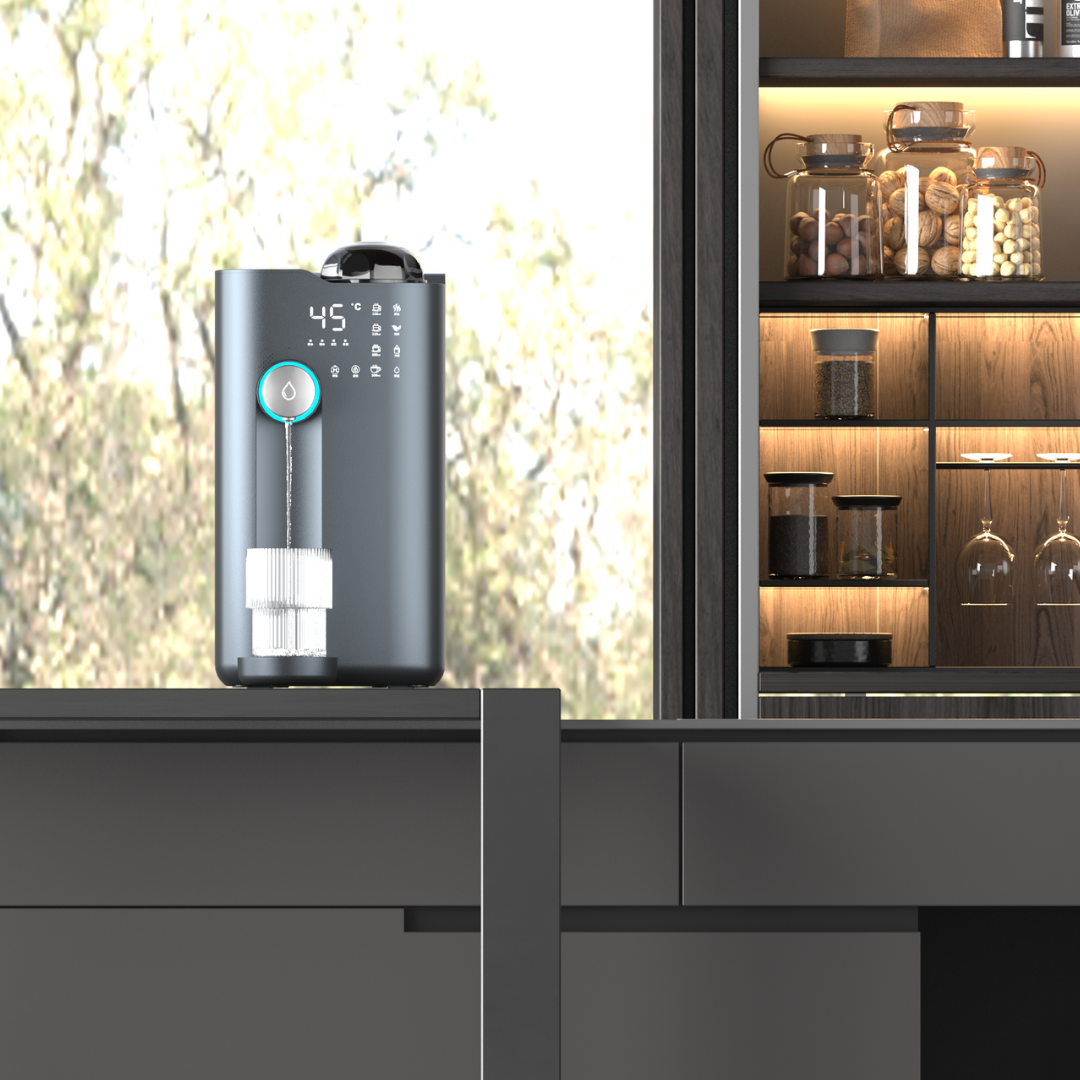
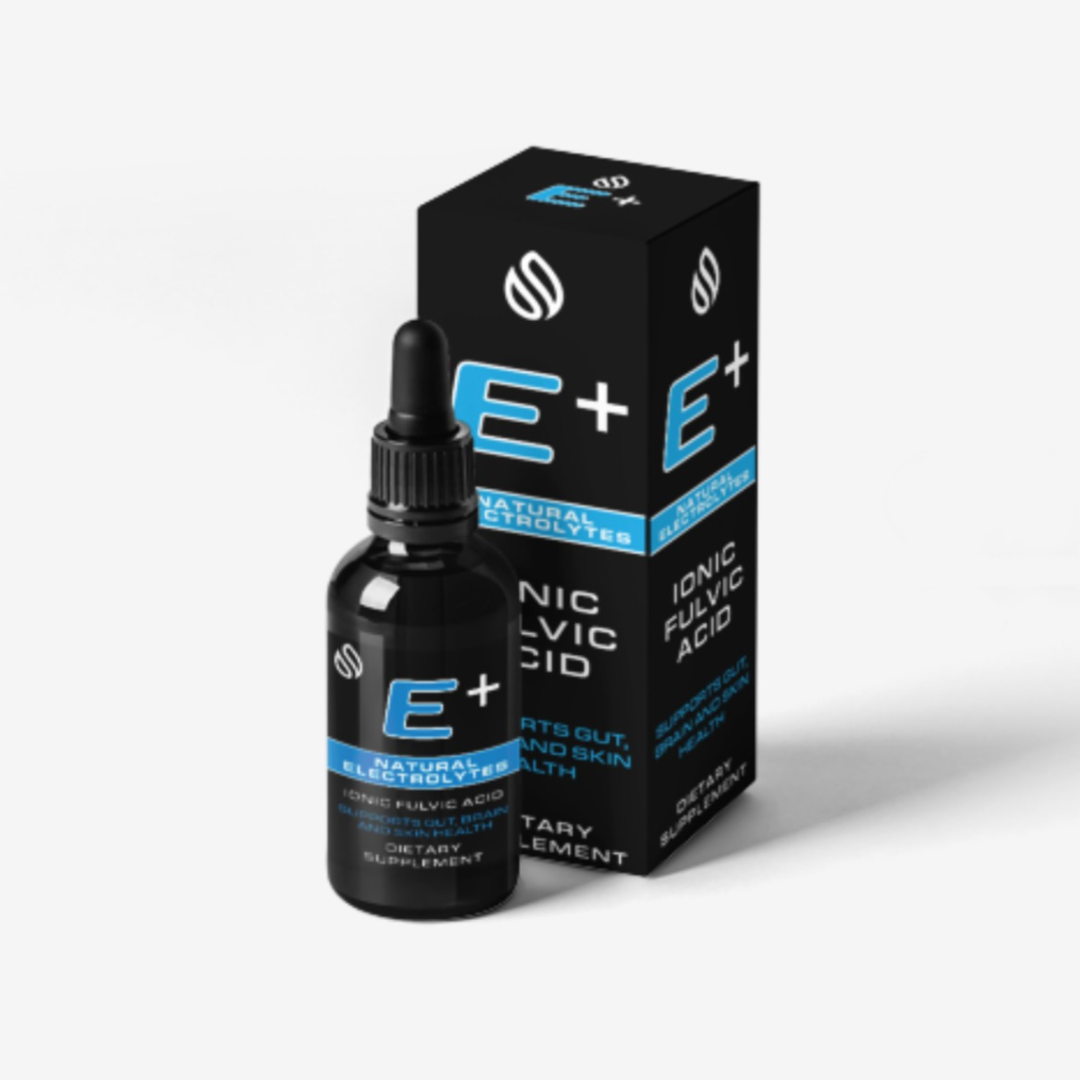
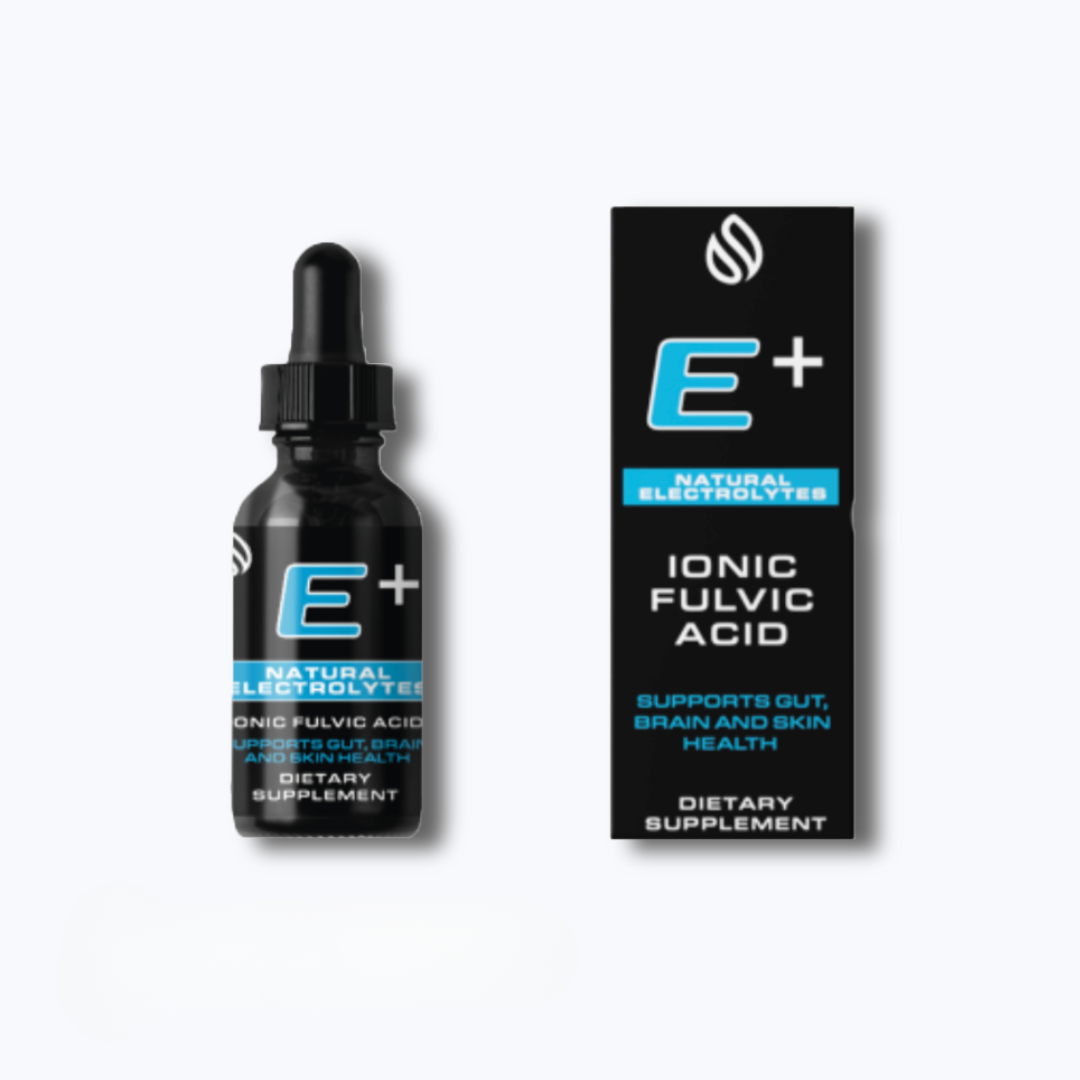
E+ Natural Electrolytes (Ionic Fulvic Acid)
Sale price£21.95
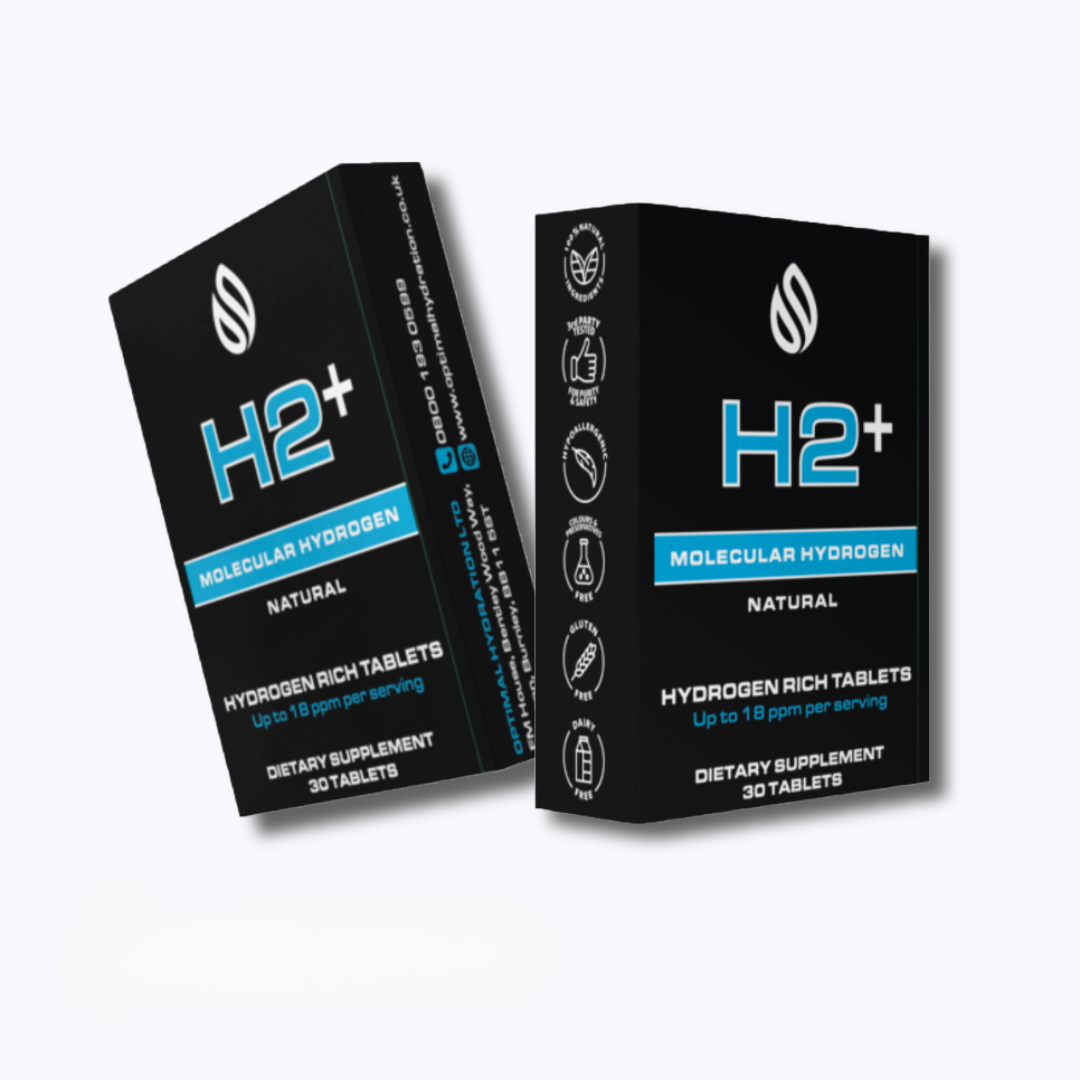

H2+ Molecular Hydrogen Tablets - Natural
Sale priceFrom £29.95

H2+ Molecular Hydrogen Tablets - Natural Raspberry
Sale priceFrom £29.95