

Recovery Starts with the Cellular Environment
In conversations among experienced wellness practitioners, one idea emerges repeatedly: the body heals best when its internal environment is supported, rather than pushed. Rather than relying on a single intervention, recovery tends to improve when hydration, circulation, and cellular resources are working together.
This way of thinking reflects a broader shift in modern wellness, one that looks beyond symptoms and focuses instead on how cells communicate, adapt, and repair themselves. Three tools are often discussed in this context: Optimal Hydration, PEMF therapy, and stem cell mobilisation.
Each has value on its own, but together they form a far more effective recovery framework.

Optimal Hydration: Preparing the Terrain
Hydration is often treated as a simple checkbox: drink more water and move on.
From a cellular perspective, though, hydration is less about volume and more about how effectively water supports biological processes.
In practitioner-led discussions, hydration is frequently described as terrain building. When cells are properly hydrated and mineral-balanced, they’re better able to respond to recovery signals. Structured, hydrogen-rich water, such as systems developed by Optimal Hydration, is designed to support this process by helping reduce oxidative stress and support mitochondrial efficiency.
Put simply, hydration sets the stage. Without it, even the most advanced recovery tools struggle to function optimally.

PEMF Therapy: Supporting Cellular Communication
Once the terrain is prepared, Pulsed Electromagnetic Field (PEMF) therapy becomes a natural next step. PEMF delivers low-frequency electromagnetic pulses that interact with the body’s natural electrical systems, supporting circulation, microvascular flow, and cellular signalling.
Practitioners often describe PEMF not as something that forces change, but as something that reminds cells how to communicate effectively again. When membrane potential is supported and ion exchange improves, cells are better able to manage energy, nutrient uptake, and waste removal.
This is where PEMF moves beyond surface-level relief and into deeper biological support.
What Sets PEMFiT Apart
Not all PEMF is the same. Delivery, intensity, comfort, and consistency matter, especially when sessions are repeated over time.
PEMFiT’s premium PEMF approach focuses on:
- High-intensity fields are delivered comfortably.
- Whole-body and targeted applications.
- Precision control of frequency and field strength.
- Structured hydration is part of the session experience.
This reflects a philosophy often shared by experienced operators: comfort and compliance drive results. When clients feel relaxed and supported, the nervous system settles, allowing recovery processes to engage more fully.
Why Stem Cell Availability Matters
A key insight that often emerges in practitioner conversations is that signalling alone isn’t enough. The body also needs sufficient biological resources to respond.
Stem cells play a central role in tissue maintenance and renewal, yet circulating stem cell numbers naturally decline with age, stress, and chronic inflammation. When fewer stem cells are available, the body’s repair capacity is reduced, even when circulation and signalling are optimised.
This gap is where nutritional stem cell support becomes relevant.
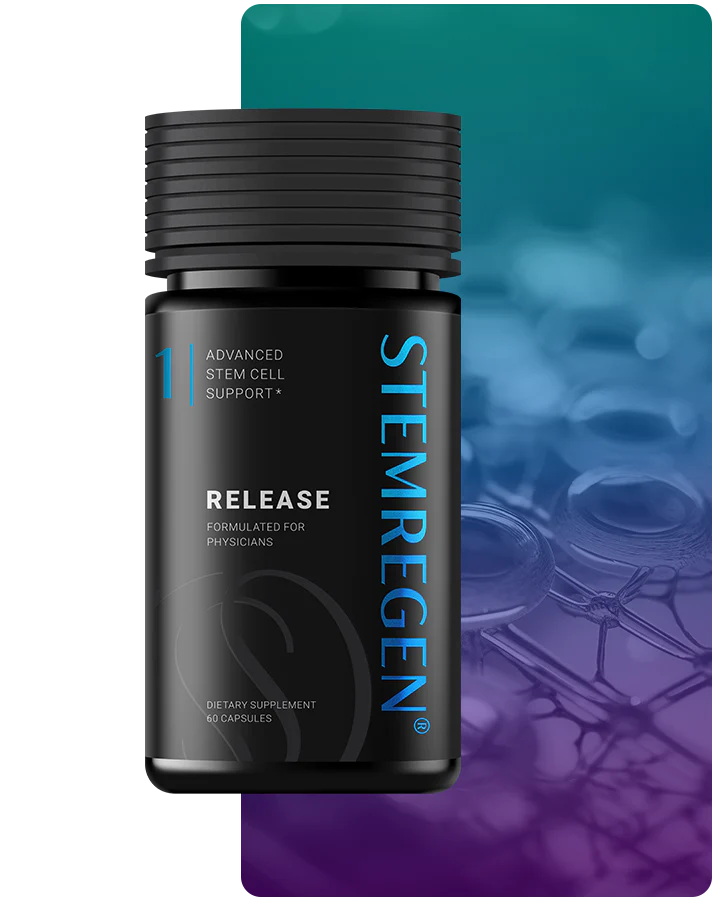
STEMREGEN®: Supplying the Repair Crew
STEMREGEN® Release is designed to support the body’s natural process of endogenous stem cell mobilisation, encouraging stem cells to move from the bone marrow into circulation.
In simple terms, this means more of the body’s own repair cells are available when and where they’re needed. When discussed alongside PEMF and hydration, STEMREGEN® is often framed as supplying the responders to the signals PEMF helps generate.
The result is a more complete recovery ecosystem: not synthetic, not invasive, but aligned with the body’s own biology.
Shop NowWhy These Three Work Better Together
Individually, each tool supports recovery differently:
- Hydration improves cellular responsiveness.
- PEMF enhances signalling and circulation.
- Stem cell mobilisation increases repair capacity.
Together, they form a stacked approach that addresses environment, communication, and resources at the same time. This kind of integration rarely comes from theory alone — it tends to emerge through experience, observation, client feedback, and cross-disciplinary discussion.
It’s also why many practitioners are moving away from isolated interventions toward more cohesive recovery protocols.

Who This Approach Resonates With
This integrated recovery framework often appeals to people looking to support:
- Injury recovery and rehabilitation.
- Chronic inflammation or persistent fatigue.
- Athletic recovery and performance.
- Joint mobility and musculoskeletal resilience.
- Energy, focus, and healthy ageing.
The common thread isn’t diagnosis, it’s optimisation.
Bringing It Into Daily Life: Recovery as a System
When recovery is approached as a system rather than a shortcut, the focus naturally shifts to consistency. Simple, repeatable inputs often matter more than intensity alone. Prioritising daily hydration that genuinely supports cellular function helps prepare the internal environment. Regular PEMF sessions reinforce circulation and cellular signalling. In contrast, targeted stem cell support ensures the body has adequate biological resources available to respond.
Alongside this, foundational habits: sleep, nutrition, and movement, remain essential for sustaining long-term resilience.
What becomes clear through experience and cross-disciplinary discussion is that recovery works best when systems are supported together. By aligning hydration, PEMF technology, and stem cell mobilisation, the body is given what it needs to do what it already knows how to do: repair, adapt, and sustain vitality.
Featured collection
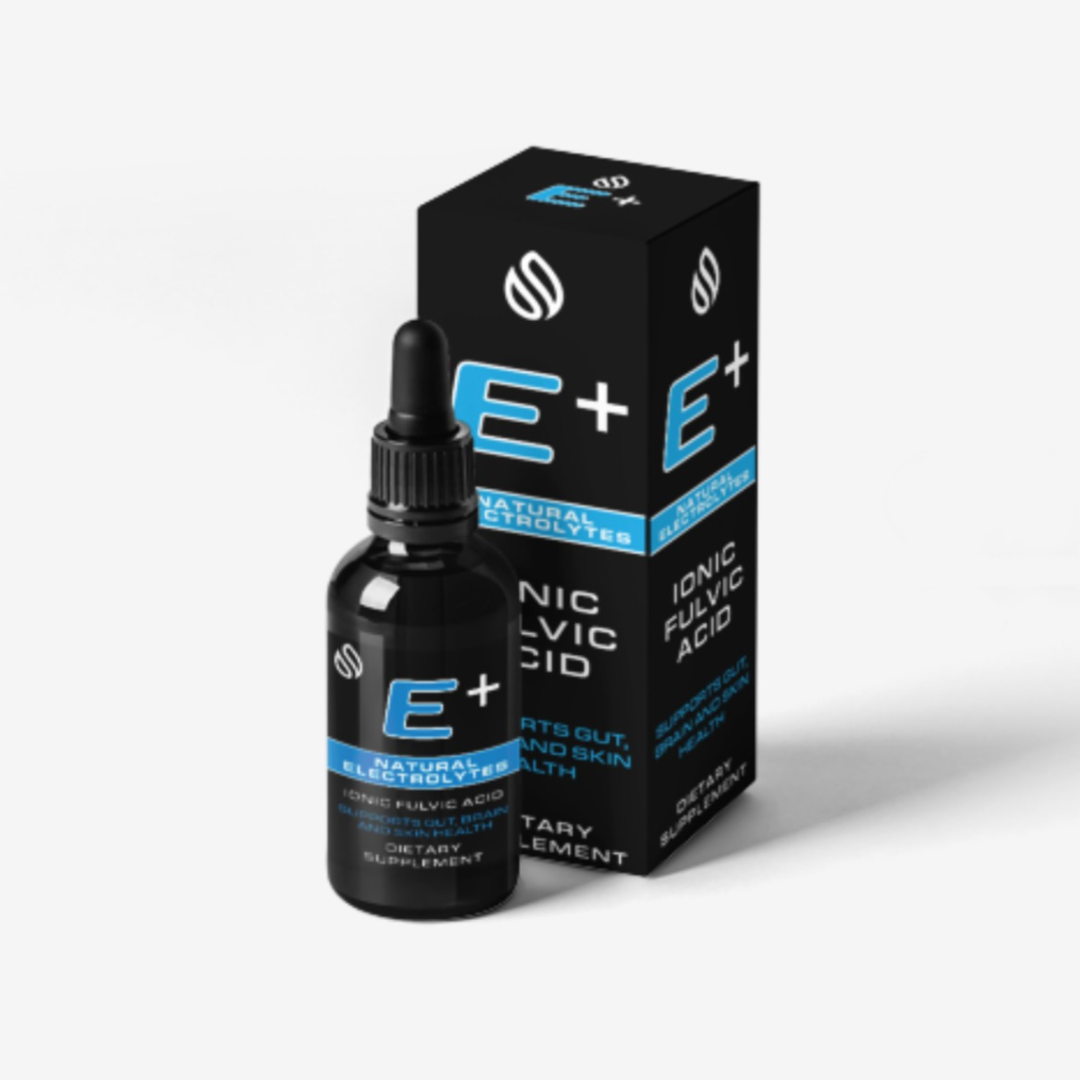
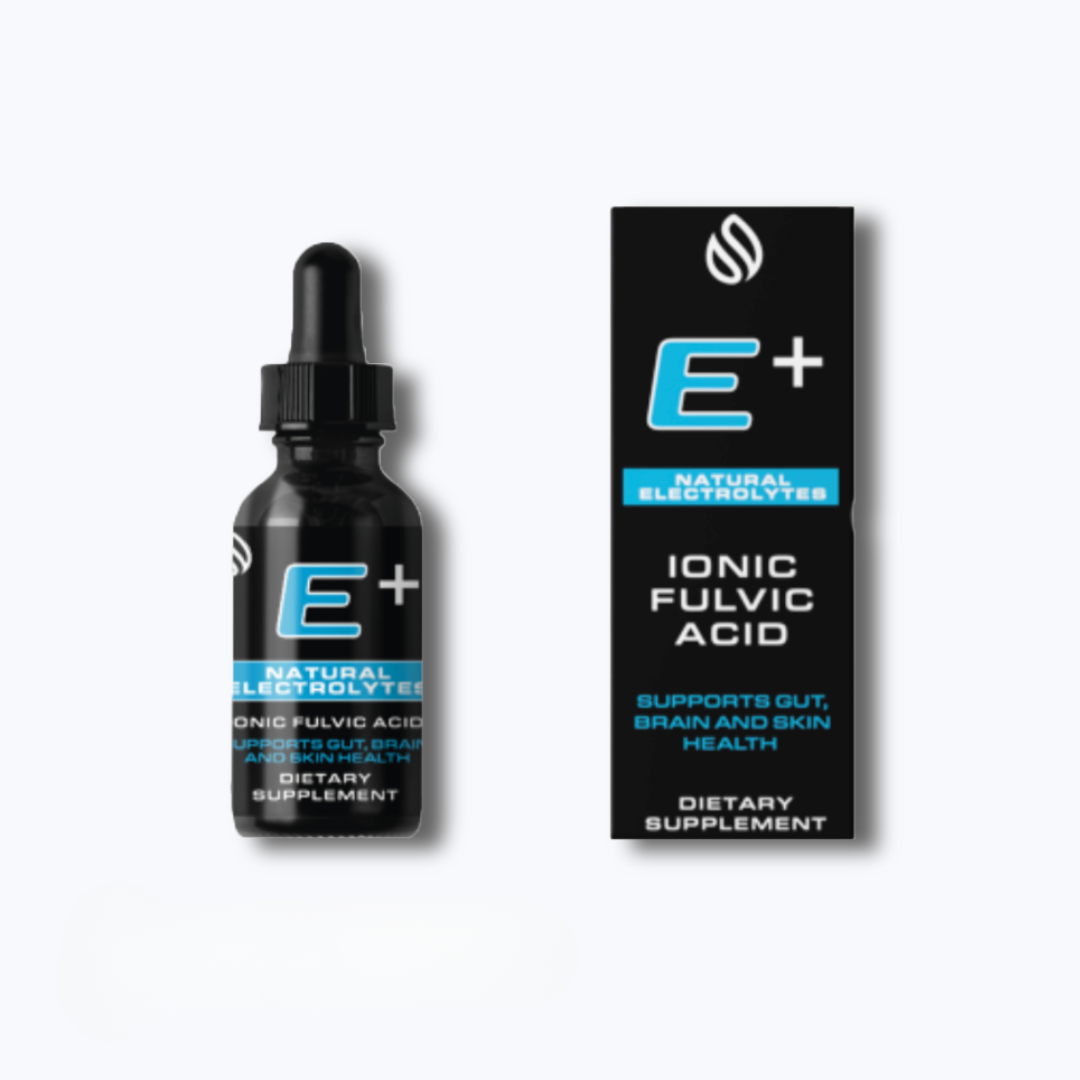
E+ Natural Electrolytes (Ionic Fulvic Acid)
Sale price£21.95
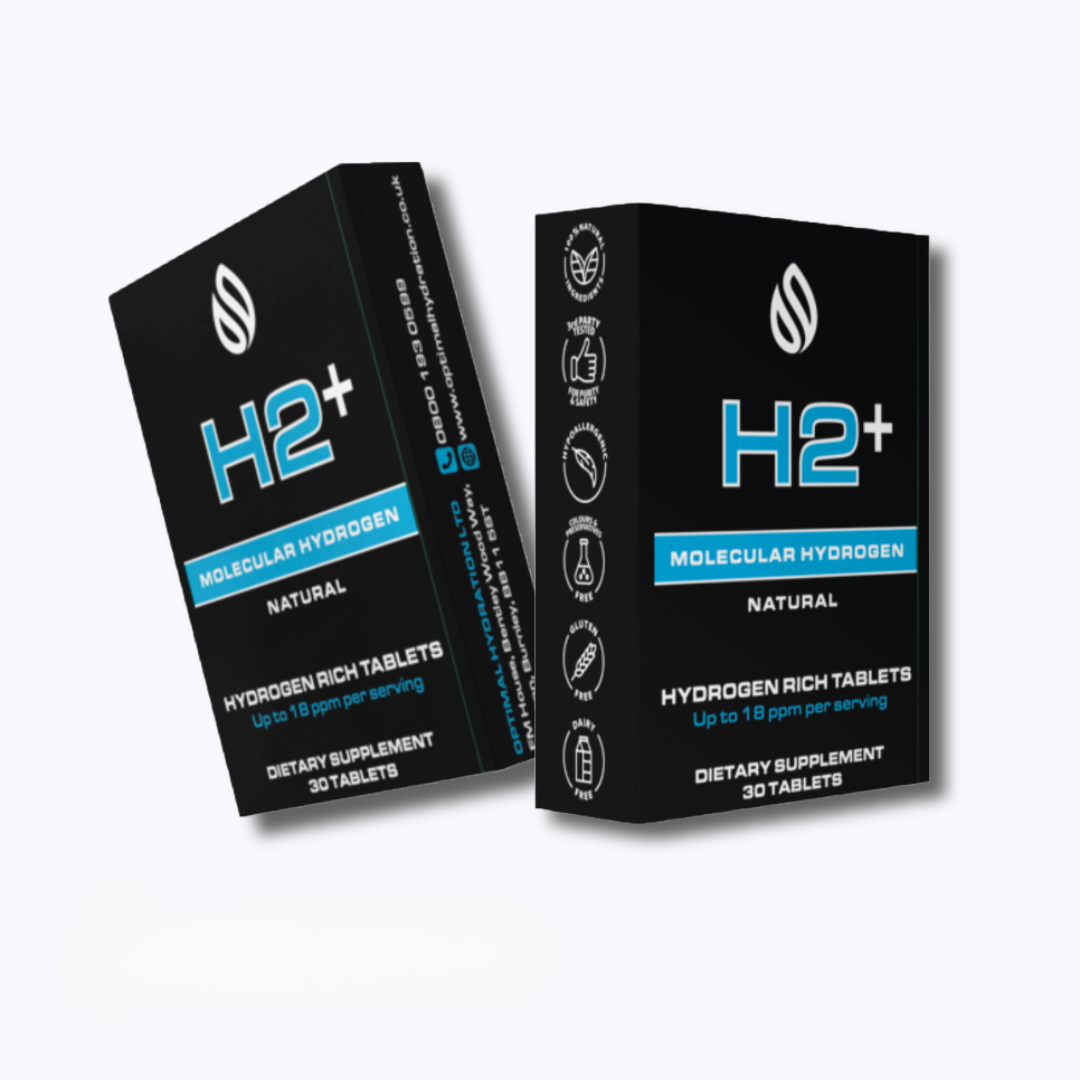

H2+ Molecular Hydrogen Tablets - Natural
Sale priceFrom £29.95

H2+ Molecular Hydrogen Tablets - Natural Raspberry
Sale priceFrom £29.95
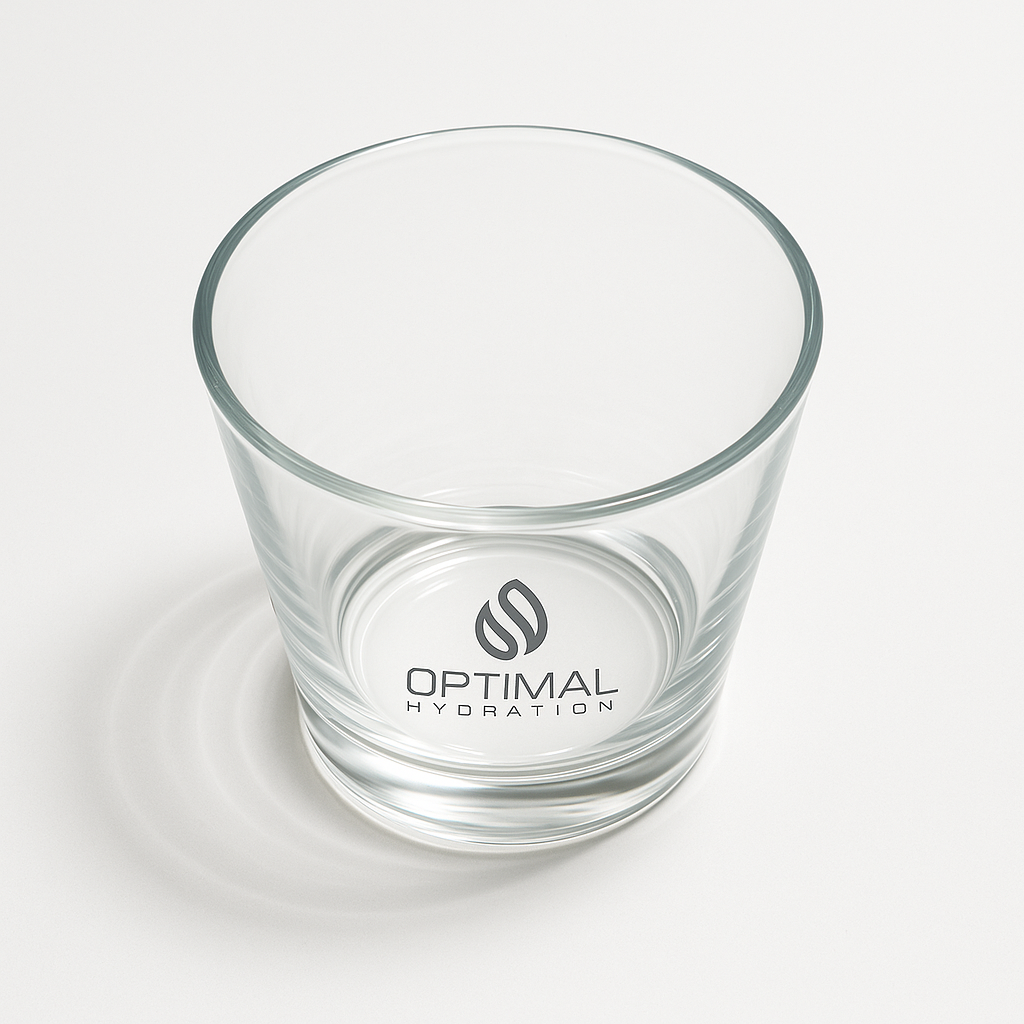
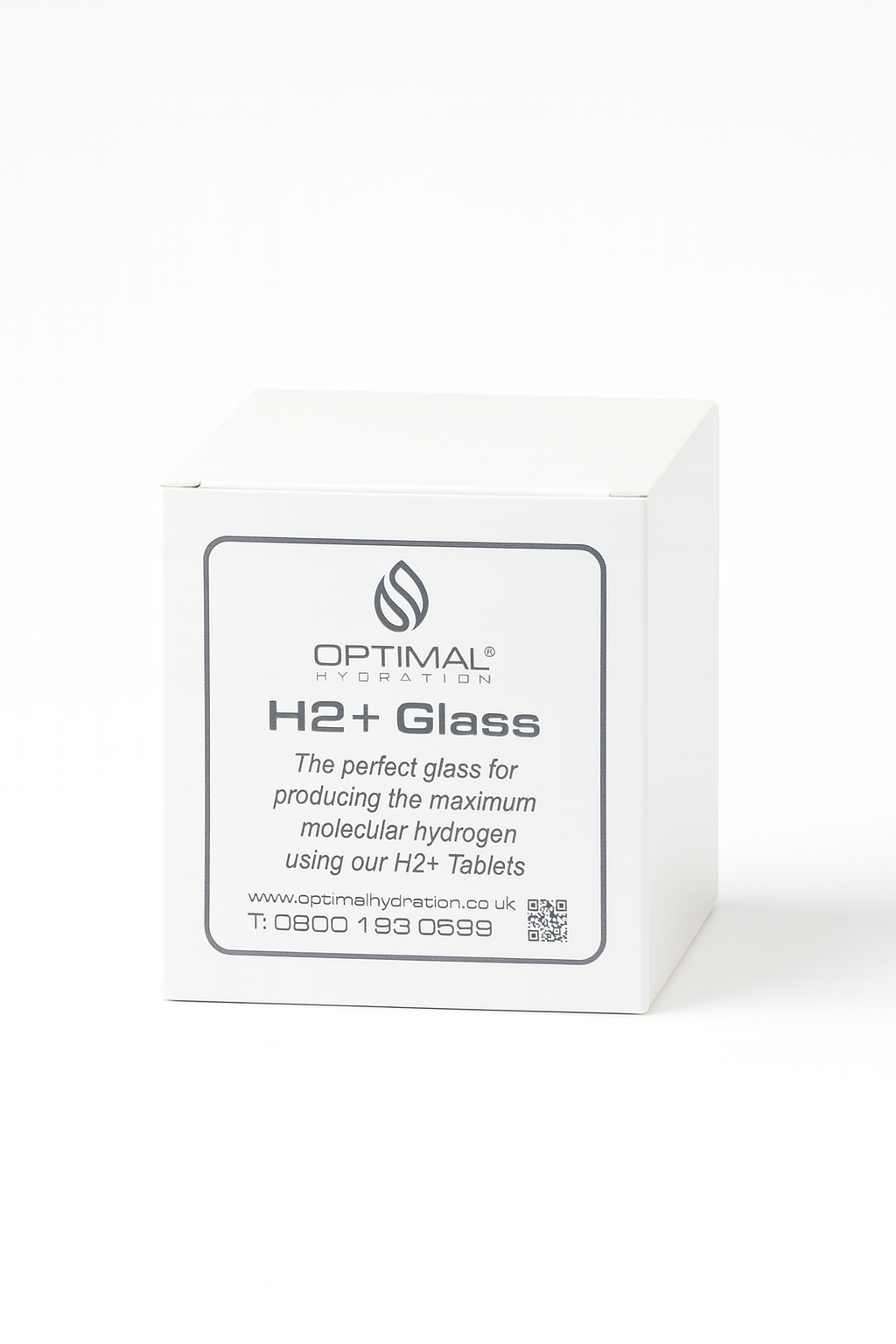
H2+ Glass
Sale price£6.95
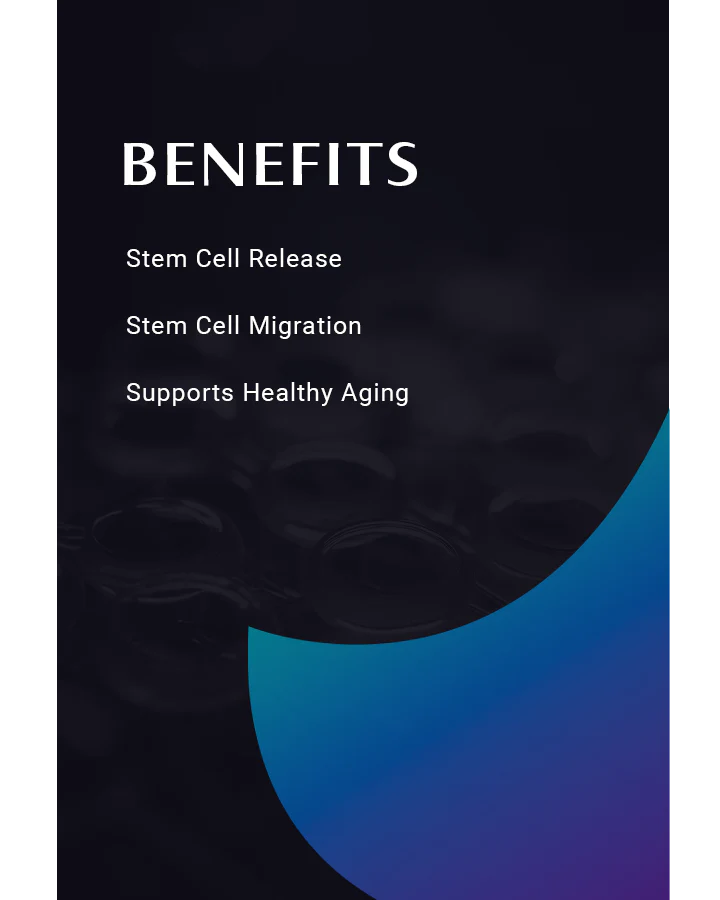
STEMREGEN RELEASE
Sale price£189.00
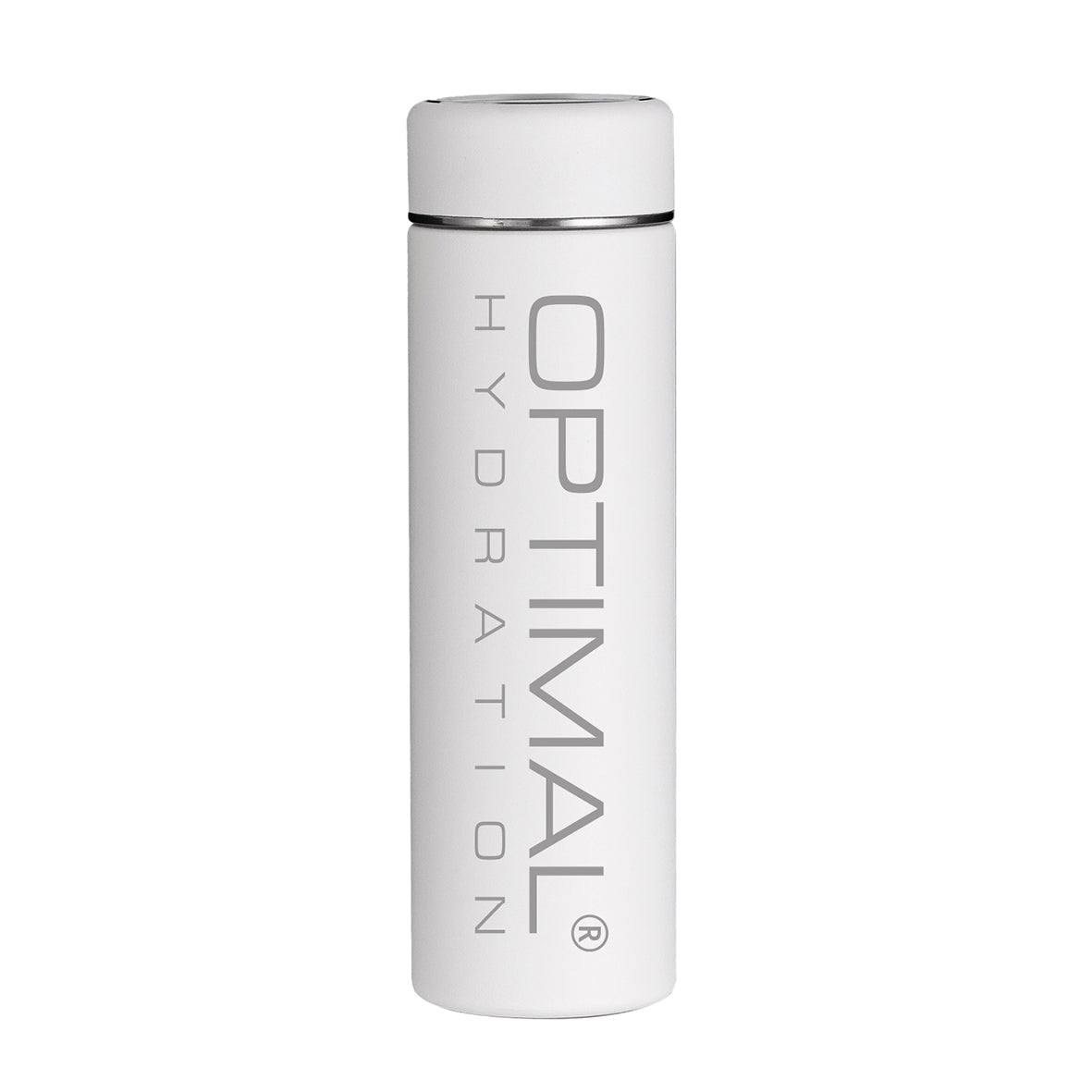
F - GO Fill & Go Stainless Steel Ceramic Lined Drinking Bottle 500ml
Sale priceFrom £24.95