Let’s be honest: most “hydration advice” sounds good in theory.
You start the week with a shiny new bottle, strong intentions and promises to drink more water, then life happens. Meetings stack up, you forget, you chug half a litre at 9 pm and call it a win.
The problem isn’t motivation; it’s that most hydration routines aren’t built for real life.
Here’s how to build a simple, realistic hydration routine that fits into the day you already have and sticks.
01
The biggest mistake people make is going too big, too fast.
- Drinking “3 litres a day” overnight
- Setting alarms every hour
- Forcing water when you’re not thirsty
That’s not habit-building, that's willpower burnout.
Better goal: Make hydration automatic, not effortful.
If it feels like a chore, it won’t last.

02
The easiest habits don’t rely on memory; they piggyback on routines you already have.
Instead of asking “How do I remember to drink more?”, ask: “Where does hydration naturally fit into my day?”
Try one or two of these anchors:
- Morning: One glass of water as soon as you wake up
- Desk habit: A glass when you sit down to work
- Coffee stack: Hydration before your first coffee
- Pre-gym: Water while getting ready, not after
- Afternoon dip: One glass when energy drops
You don’t need all of them; you need one reliable starting point.
03
A lot of people are drinking water but still feel tired, foggy, or flat.
That’s because hydration isn’t just about volume. It’s about how well your body uses that water.
This is where upgrading what you drink can make maintaining your routines easier.
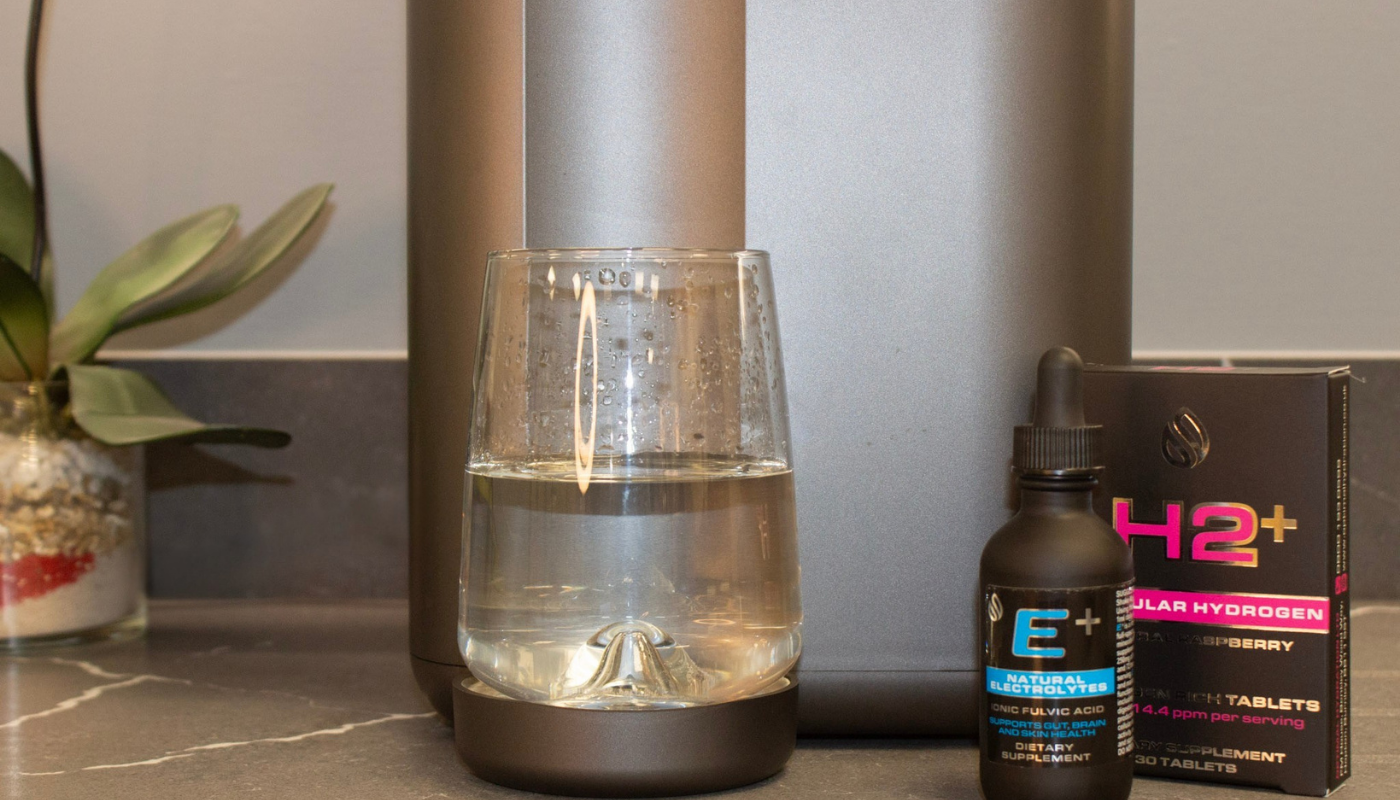
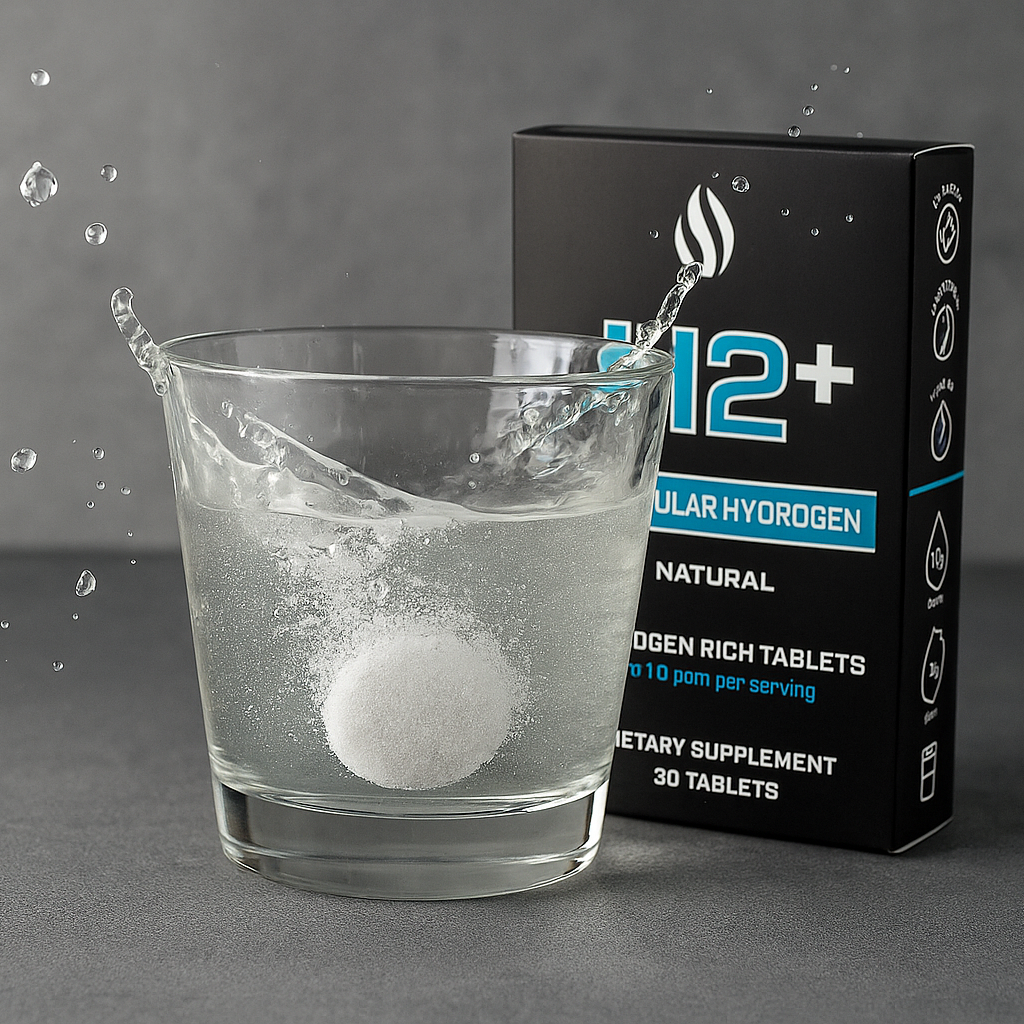
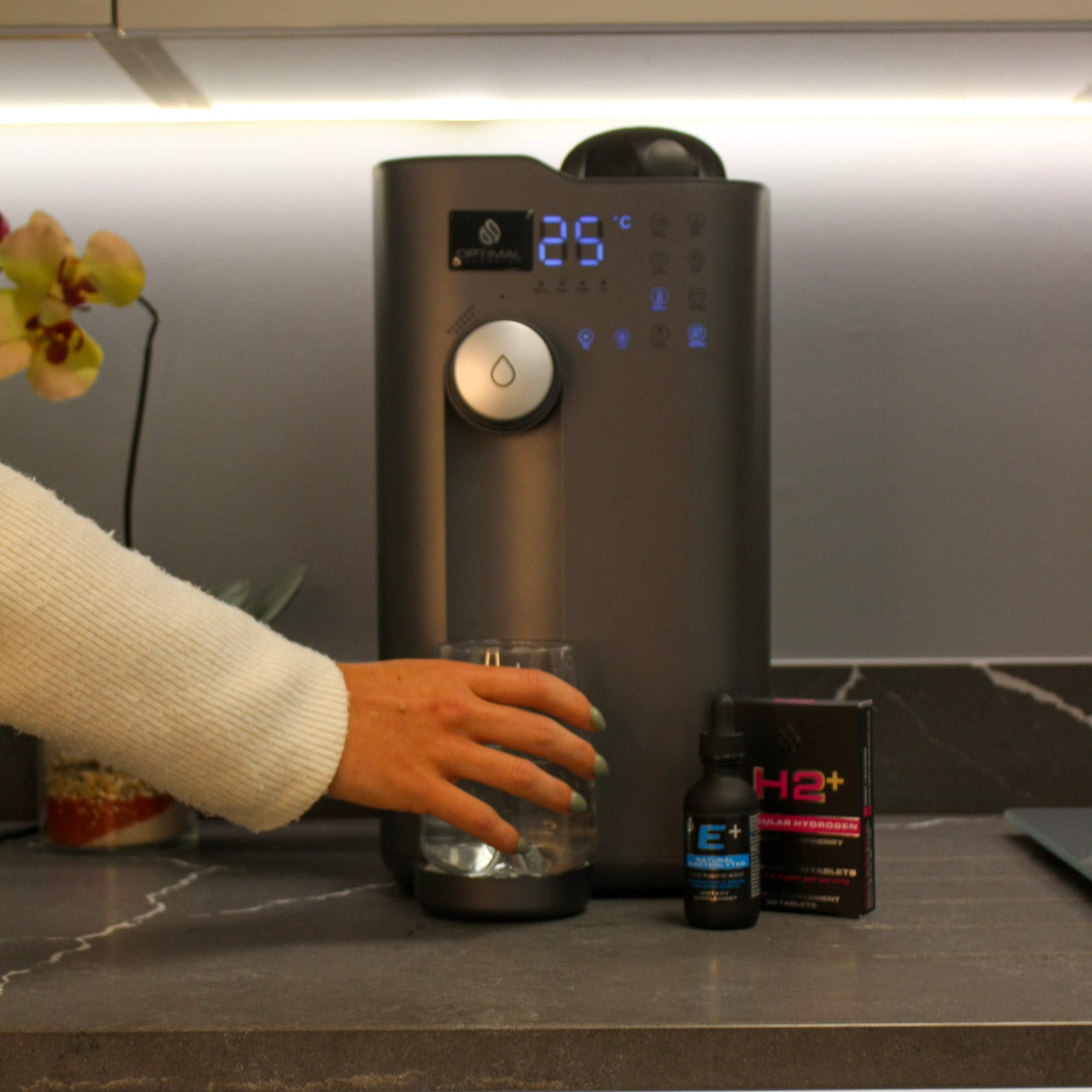
For example, some people choose to add molecular hydrogen tablets to their water as a simple upgrade, not as another supplement, but as part of the same glass they were already going to drink.
Because it dissolves into normal water and takes seconds, it doesn’t add friction, which is key for habit-building.
04
Hydration habits fail quietly; you don’t quit, you just forget.
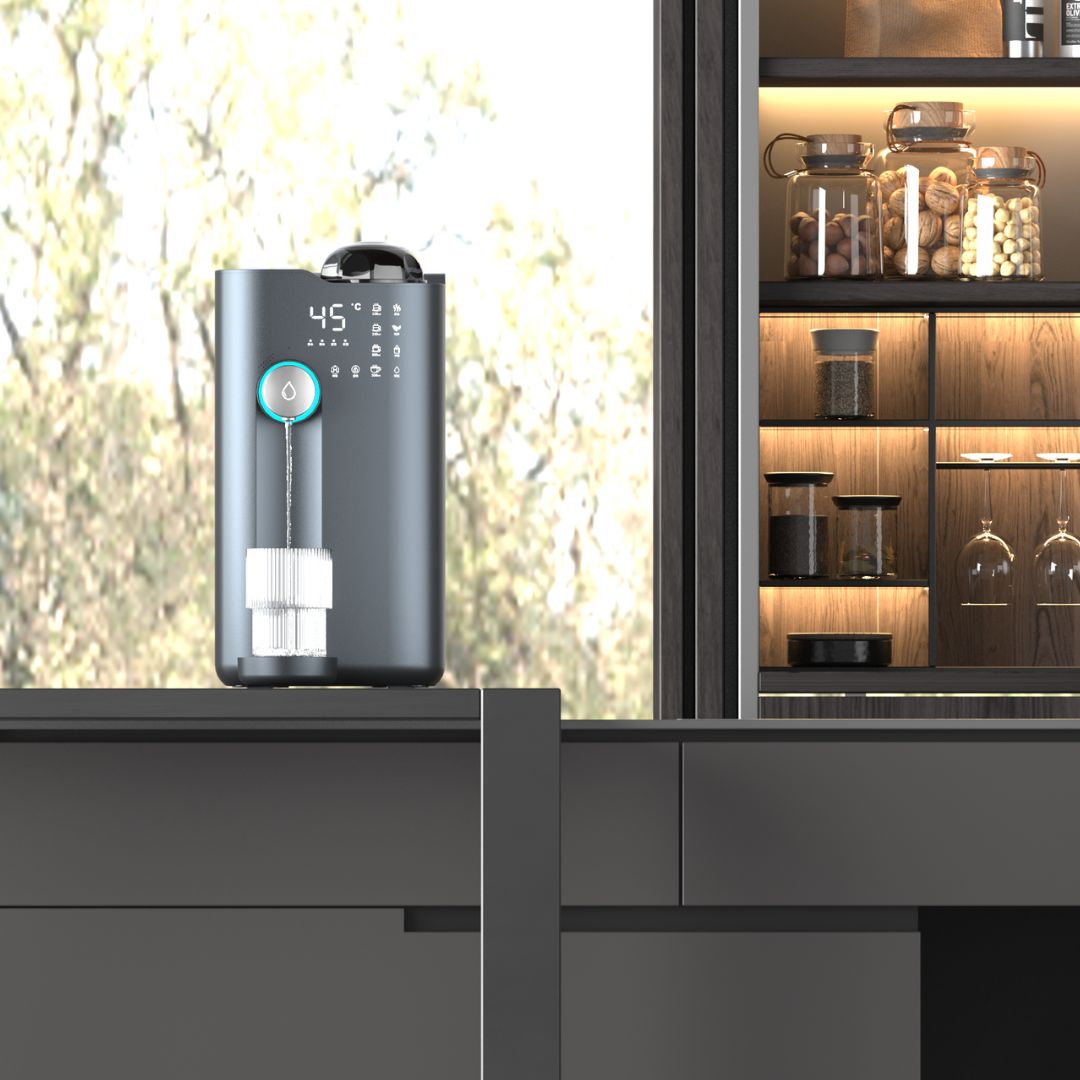
One small change that makes a massive difference: keep your water where you can see it.
- On your desk
- By your bed
- Next to the kettle
- In your gym bag
If you have to remember to hydrate, you probably won’t. If it’s already there, you’re far more likely to sip without thinking.
05
Your hydration routine doesn’t need to be impressive; it needs to be repeatable on busy days.
A solid baseline could be:
- 1 glass in the morning
- 1 glass mid-day
- 1 glass afternoon / early evening
Small habits compound.
06
Instead of obsessing over litres, notice:
- Do you feel less sluggish mid-afternoon?
- Fewer headaches?
- More stable energy?
- Less reliance on caffeine?
Hydration wins often show up subtly, especially when you’re consistent.
This mindset shift helps people stick with routines long term, because they’re connected to how they feel, not arbitrary targets.
07
The routines that last don’t feel like wellness admin.
They feel like:
- Brushing your teeth
- Making coffee
- Filling your bottle
Optimal Hydration works best when it’s treated the same way: a small daily upgrade to something you already do.
01
The biggest mistake people make is going too big, too fast.
- Drinking “3 litres a day” overnight
- Setting alarms every hour
- Forcing water when you’re not thirsty
That’s not habit-building, that's willpower burnout.
Better goal: Make hydration automatic, not effortful.
If it feels like a chore, it won’t last.
02
The easiest habits don’t rely on memory; they piggyback on routines you already have.
Instead of asking “How do I remember to drink more?”, ask: “Where does hydration naturally fit into my day?”
Try one or two of these anchors:
- Morning: One glass of water as soon as you wake up
- Desk habit: A glass when you sit down to work
- Coffee stack: Hydration before your first coffee
- Pre-gym: Water while getting ready, not after
- Afternoon dip: One glass when energy drops
You don’t need all of them; you need one reliable starting point.
03
A lot of people are drinking water but still feel tired, foggy, or flat.
That’s because hydration isn’t just about volume. It’s about how well your body uses that water.
This is where upgrading what you drink can make maintaining your routines easier.
For example, some people choose to add molecular hydrogen tablets to their water as a simple upgrade, not as another supplement, but as part of the same glass they were already going to drink.
Because it dissolves into normal water and takes seconds, it doesn’t add friction, which is key for habit-building.
04
Hydration habits fail quietly; you don’t quit, you just forget.
One small change that makes a massive difference: keep your water where you can see it.
- On your desk
- By your bed
- Next to the kettle
- In your gym bag
If you have to remember to hydrate, you probably won’t. If it’s already there, you’re far more likely to sip without thinking.
05
Your hydration routine doesn’t need to be impressive; it needs to be repeatable on busy days.
A solid baseline could be:
- 1 glass in the morning
- 1 glass mid-day
- 1 glass afternoon / early evening
Small habits compound.
06
Instead of obsessing over litres, notice:
- Do you feel less sluggish mid-afternoon?
- Fewer headaches?
- More stable energy?
- Less reliance on caffeine?
Hydration wins often show up subtly, especially when you’re consistent.
This mindset shift helps people stick with routines long term, because they’re connected to how they feel, not arbitrary targets.
07
The routines that last don’t feel like wellness admin.
They feel like:
- Brushing your teeth
- Making coffee
- Filling your bottle
Optimal Hydration works best when it’s treated the same way: a small daily upgrade to something you already do.
This habit-first approach is exactly why many people choose to make molecular hydrogen part of their daily hydration; it supports consistency rather than complicating it.
If you want hydration to stick, keep it:
- Simple
- Visible
- Attached to existing habits
- Focused on how you feel, not how perfect it looks
You don’t need a new routine, you need a smarter version of the one you already have.
Once hydration becomes automatic? That’s when the real benefits start to compound.
Explore our range to help you achieve Optimal Hydration.
Ready to try it?
Explore our full range of hydrogen wellness solutions and feel the difference for yourself.
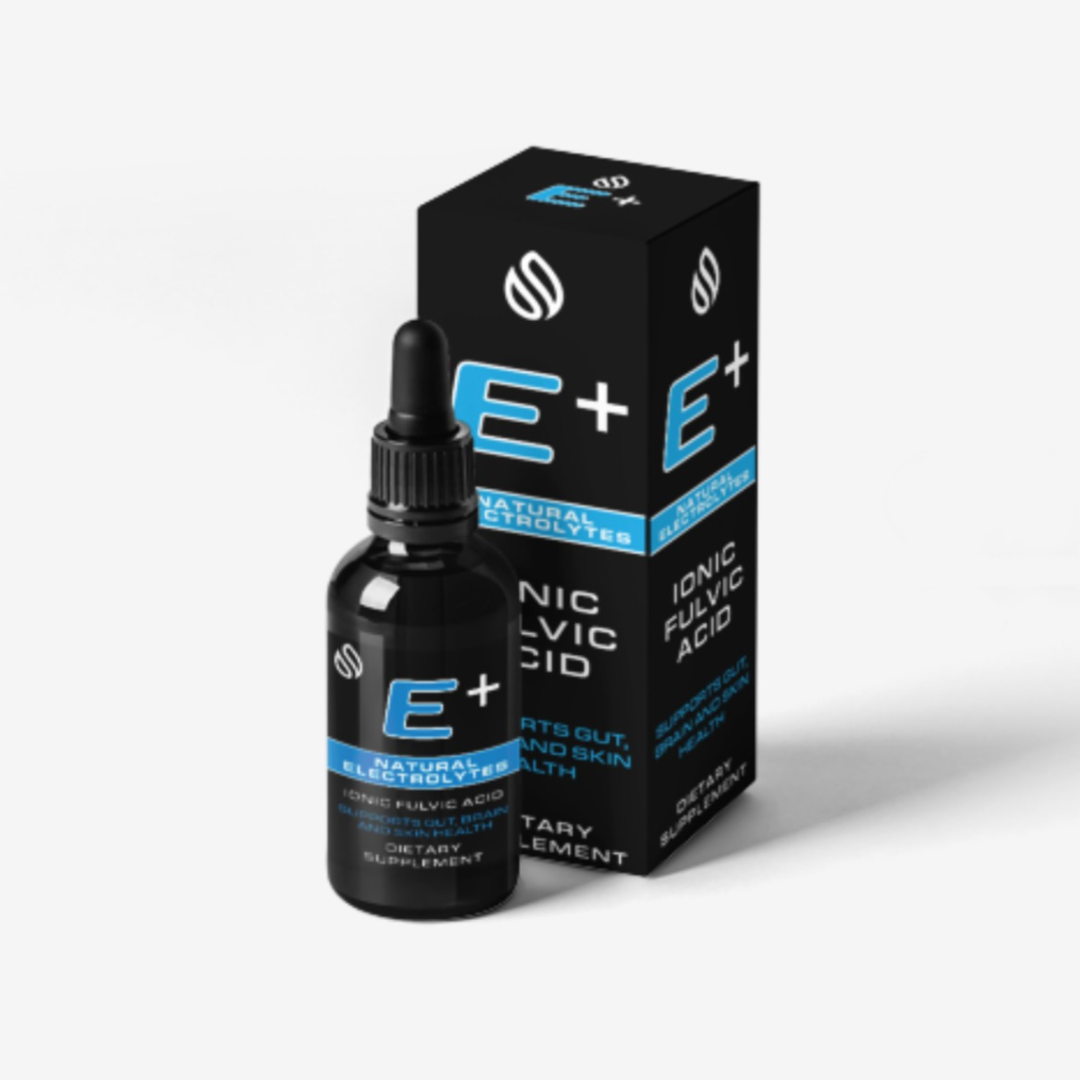
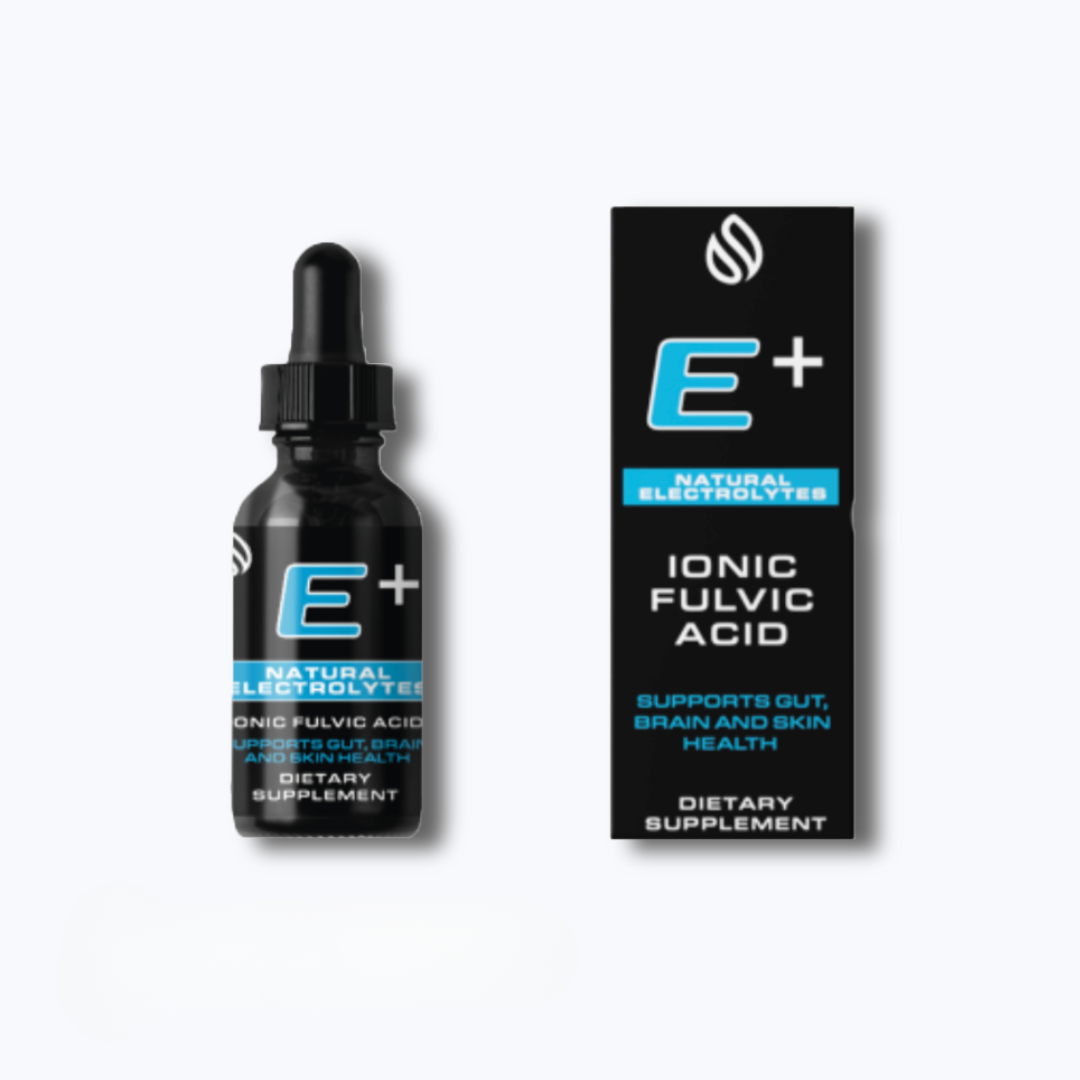
E+ Natural Electrolytes (Ionic Fulvic Acid)
Sale price£21.95
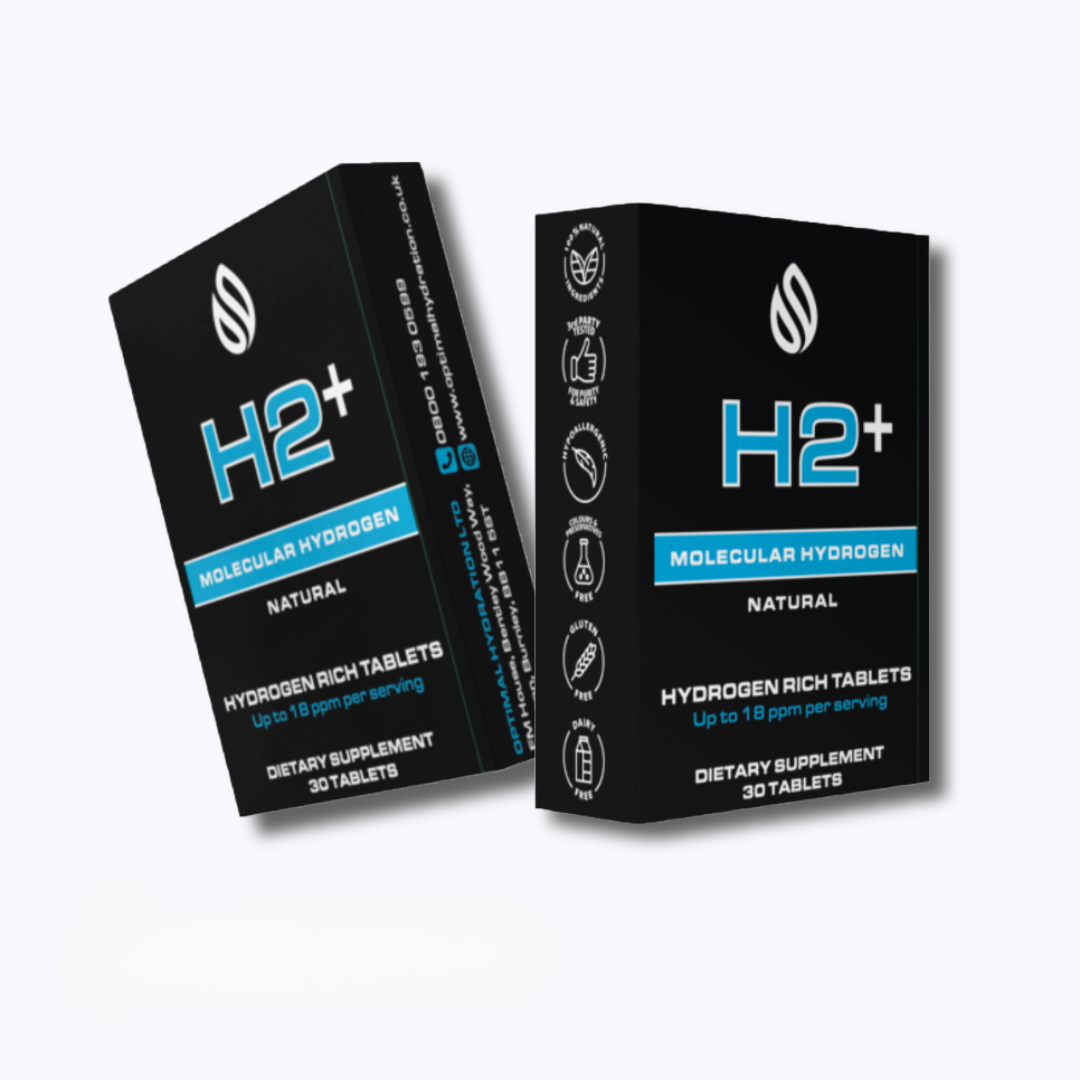

H2+ Molecular Hydrogen Tablets - Natural
Sale priceFrom £29.95

H2+ Molecular Hydrogen Tablets - Natural Raspberry
Sale priceFrom £29.95