
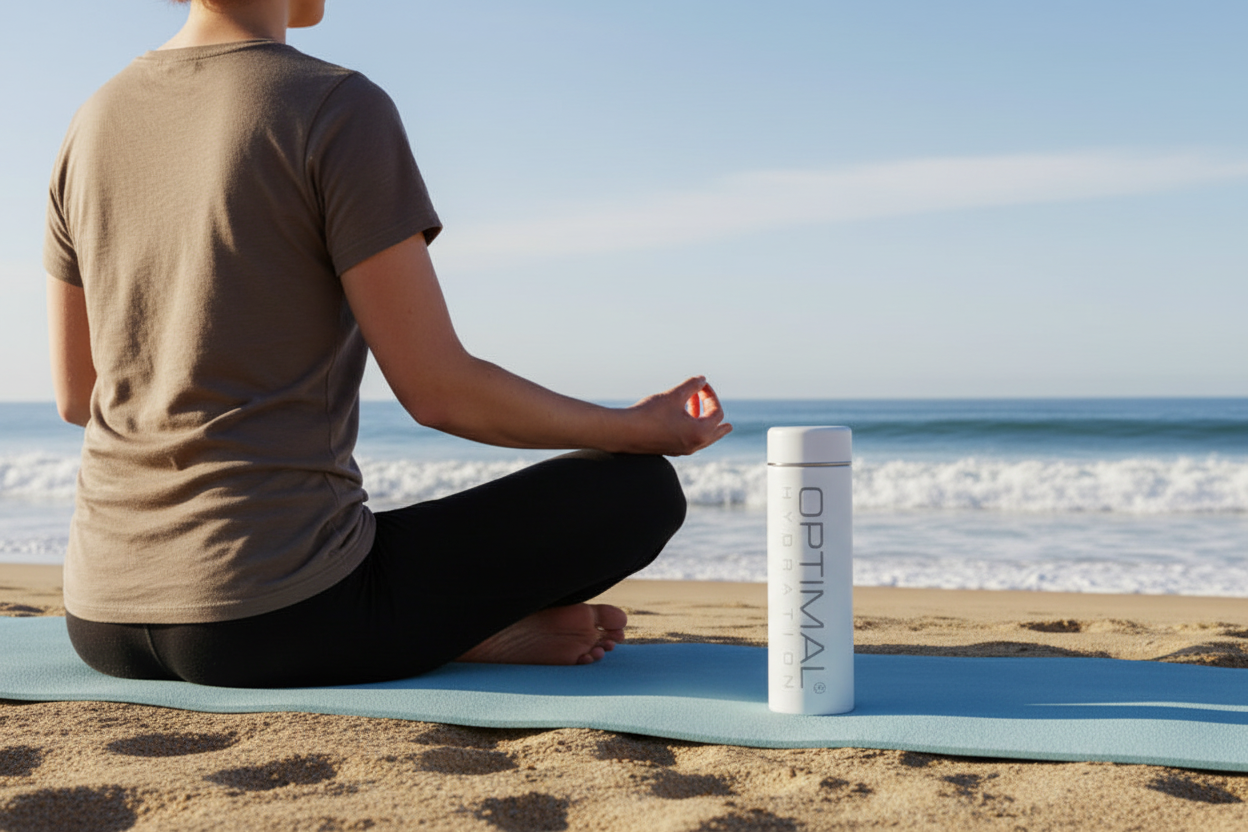
Your Body and Hot Weather: What Does it Do?
Whether you’re commuting in the heat, exercising outdoors or simply trying to sleep through a warm night, heat can have an impact on your body, and sometimes the signs are hardly noticeable.
There are many effects that hot weather can have on your body starting from low energy to effects on concentration. Our bodies work really hard to make sure we maintain a consistent core temperature, and it’s our job to help that system work. During hot weather, we lose a lot of water through increased sweating, so we need to replace that water with hydration. Consistent hydration is just the start; there are many things that you can add to have your hydration optimised.

Ways to Stay Hydrated in the Summer
Your body needs about 2 litres of water a day, or 8 glasses, to stay sufficiently hydrated. There are only a few things that can be a sufficient use of hydration during the warmer months, and a few that should be steered away from.
Things that can increase the risk of dehydration:
- Alcohol:
Pub gardens, day drinking and holidays are a great thing during summer and make having a couple of drinks with friends very tempting. Whilst we’re not telling anyone to completely avoid drinking in warm weather, it just means being more mindful of what you’re consuming.
- Drinks and snacks with high added sugar contents:
Dehydration thickens the blood and overworks the cardiovascular system. Sugar requires significant water to metabolise and triggers insulin responses that pull fluid from your tissues. When compounded with heat and sweating, this process dehydrates the body much faster.
Things that can decrease the risk of dehydration:
- Water:
The main source to support your body, water helps with a lot, even during months where the likelihood of dehydration is decreased. Drinking water consistently can have positive effects on your mood, energy and daily wellbeing; it’s the base for a good day.
- Water-rich foods:
Watermelon, cucumbers, oranges and yoghurt or sugar-free jelly are snacks with high water content, which can help you stay hydrated whilst not relying on purely water alone.
- Diluted squash:
If you struggle to purely drink water on its own, using sugar-free squash is a great way to make a drink more palatable and enjoyable.
Electrolytes are more important than people think, containing essential minerals that help the water inside your body keep you hydrated.
Do Electrolytes Really Help in Heat?
The star of the show is electrolytes.
Your body’s main loss during hot months is sweat, and when you sweat heavily for long periods, you lose both water and vital minerals like sodium, which signals your body to retain the water being consumed, potassium, which helps you maintain a steady and rhythmic heartbeat and magnesium, which serves as a crucial cofactor for cellular energy production. Replenishing these minerals is essential for maintaining fluid balance.
Shop Our Electrolytes TodayHabits for Daily Hydration
There are many ways to ensure you keep yourself sufficiently hydrated during the summer; one example would be setting reminders or alarms on your phone to remind you when to drink. The timing of when you drink is more important than you might think. For example, drinking water first thing in the morning is one of the best ways to get yourself feeling energised and ready to start the day.
As well as this, utilising hydrating snacks when water starts to get a little boring is a smart move that makes hydrating a bit more fun. Treating yourself to water-rich fruit like watermelon or strawberries is a good way to mix up your water intake.
Finally, keeping a reusable water bottle nearby can serve as a simple visual reminder to drink more throughout the day. Whether it’s on your desk, in your gym bag or by your bedside, having water within easy reach makes it much easier to stay on top of your hydration goals. Choosing a well-designed bottle that keeps drinks at the desired temperature and maintains a fresh taste can also make regular water intake more enjoyable, helping to support healthy hydration habits over the long term.
Symptoms to Look Out for
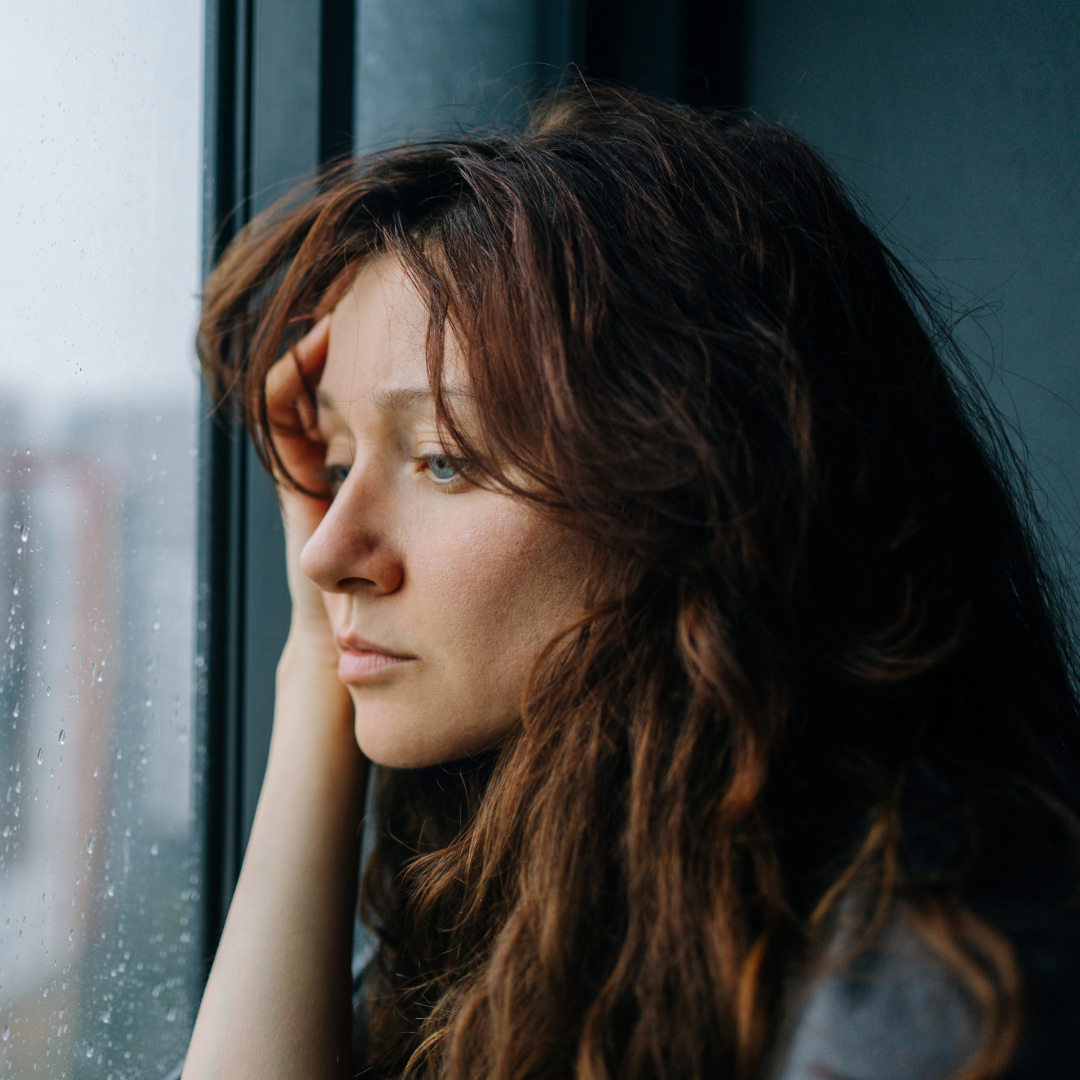
Keeping safe in the summer is important, but there are signs to look out for during heat waves to make sure you and the people you care about are safe.
- Dry mouth or lips
- Thirst
- Tiredness or dizziness
- Headaches
- Dark yellow or strong-smelling urine
- Peeing less often
- Feeling lightheaded or faint
How to Avoid Heat Exhaustion
What is it?
Heat exhaustion often occurs when the body becomes overheated and loses too much fluid through sweating. It is more common during periods of hot weather, intense physical activity, or prolonged exposure to high temperatures.
How Can I Prevent This From Happening?
Simple steps to help reduce the risk include:
- Drinking water regularly throughout the day.
- Replace fluids and electrolytes lost through perspiration.
- Taking breaks in cool or shaded areas.
- Wearing light, breathable clothing.
- Avoid strenuous activity during the hottest part of the day, where possible.
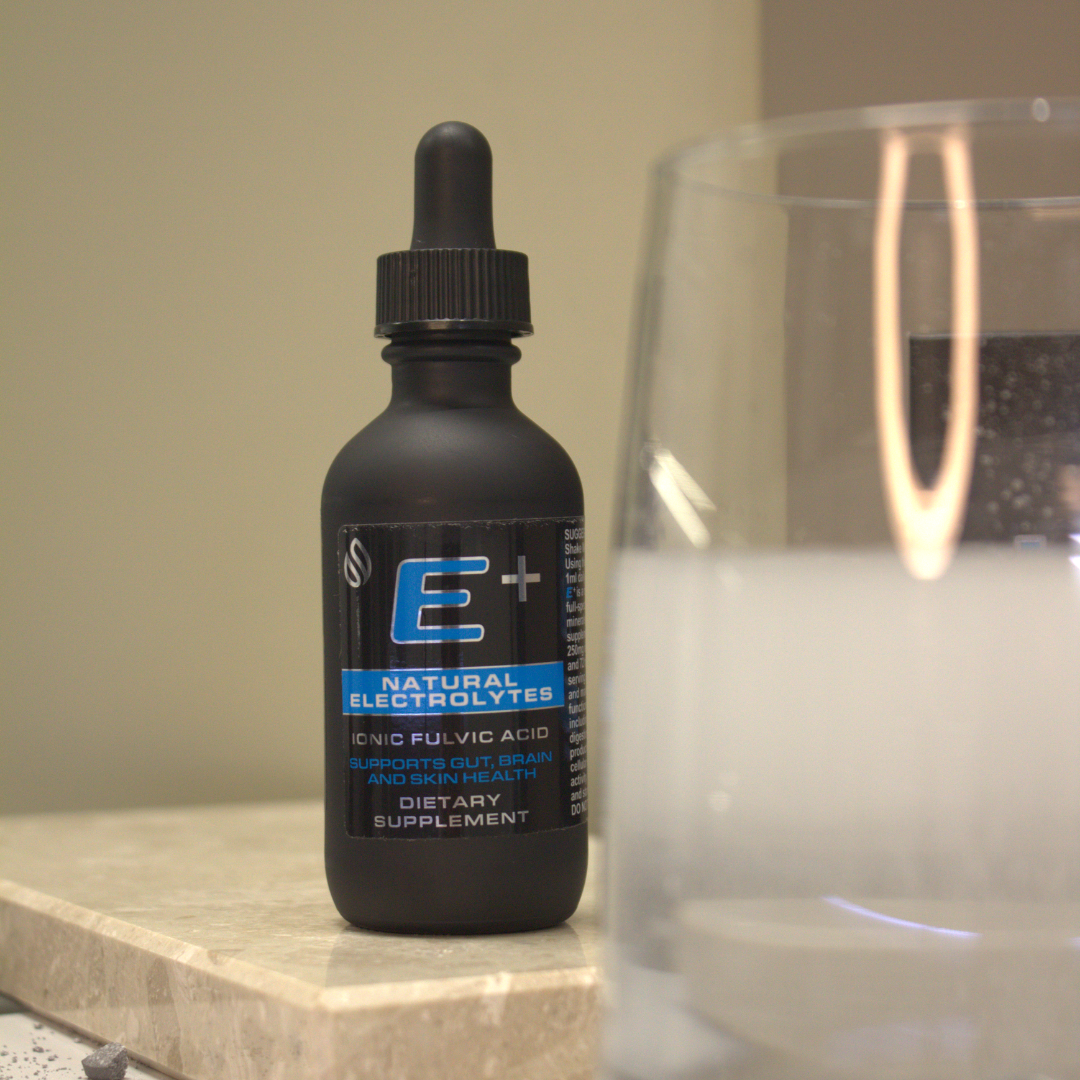
Alongside good hydration habits, some people choose to include trace minerals in their daily routine, particularly during warmer months or periods of increased activity. E+ is a concentrated liquid supplement containing ionic trace minerals in an easy-to-use liquid form.
Used as part of a balanced diet and healthy lifestyle, it can be a convenient addition to your hydration routine when staying active and managing the challenges of hot weather.
Who is most at risk?
While hot weather can affect everyone, some groups are more vulnerable to dehydration and heat-related illnesses than others. Being aware of who is at greater risk can help you take extra precautions when temperatures rise.
- Older Adults:
Older adults may find it harder to regulate body temperature and may not feel thirst as strongly, increasing the risk of dehydration.
- Children and infants:
Children and infants lose fluids more quickly and may not recognise or communicate symptoms like thirst, fatigue or dizziness as easily.
- People who exercise outdoors:
People who exercise outdoors or have physically demanding routines are more likely to lose significant amounts of fluid and electrolytes through sweat, especially during prolonged activity.
- People with medical conditions:
Those with medical conditions, particularly kidney or respiratory issues, may have a reduced ability to manage heat and fluid balance effectively.
Taking extra care to stay cool, hydrated and aware of early symptoms is especially important for these groups during warmer months.
Stay On Top of Your Hydration
Stay safe this summer by prioritising Optimal Hydration. As temperatures rise, your body loses more than just water; you’re also losing essential electrolytes that help regulate muscle function, energy levels, and overall balance. Ignoring them can leave you feeling fatigued, dizzy, or worse in extreme heat.
Don’t wait until dehydration catches up with you. Learn how to stay properly hydrated, recognise the signs of heat-related illness, and keep your energy up all season long.
Optimised Hydration isn’t just about drinking more, it’s about drinking smarter.
FAQ
How much water should I drink during hot weather?
Most adults should aim for around 2 litres (8 glasses) of water per day, but hot weather, physical activity, and excessive sweating can increase your hydration needs. Drinking regularly throughout the day is more effective than waiting until you feel thirsty.
Why are electrolytes important when it's hot?
Electrolytes such as sodium, potassium, and magnesium help regulate fluid balance, muscle function, and nerve signalling. When you sweat, you lose both water and electrolytes, so replacing them can help support proper hydration and overall wellbeing.
What are the early signs of dehydration?
Common signs of dehydration include thirst, dry mouth, tiredness, headaches, dizziness, dark yellow urine, and urinating less frequently. Recognising these symptoms early can help prevent more serious heat-related illnesses.
Who is most at risk of dehydration and heat exhaustion?
Older adults, young children, people who exercise outdoors, and those with certain medical conditions are more vulnerable to dehydration and heat-related illnesses. These groups should take extra care to stay hydrated and avoid prolonged exposure to high temperatures.