
The Role of Hydration in Healthy, Glowing Skin
When people think about improving their skin, the first advice they often hear is “drink more water”. While staying hydrated is important, the connection between hydration and skin health is more complex than many people realise.
True skin hydration happens deep within the body, at the cellular level. Water works alongside essential minerals, antioxidants and nutrients to support the skin’s structure, elasticity and protective barrier. When the body is properly hydrated and supported internally, the skin is better able to maintain moisture, repair itself and maintain a natural, healthy glow.
When the body is properly hydrated and supported internally, the skin is better able to maintain moisture, repair itself and maintain a natural, healthy glow. Hydrated skin tends to appear smoother, more supple and more resilient against daily stressors such as pollution, UV exposure and temperature changes.
Healthy skin hydration is therefore not just about drinking more water. It’s also about helping the body absorb, retain and effectively use that water. This depends on factors such as mineral balance, cellular health and the skin’s ability to maintain a strong protective barrier.
How Hydration Affects Your Skin
Your skin is made up of two primary layers that work together to maintain hydration and protection.
01
The dermis is the deeper layer of the skin. It contains collagen, elastin and high concentrations of hyaluronic acid, a molecule known to draw moisture from its surroundings into the skin or joints.
This water-binding ability helps:
- Maintain skin volume and plumpness
- Support elasticity
- Keep skin looking smooth and youthful
When the dermis is properly hydrated, it supports the health and appearance of the skin above it.

02
Above the dermis sits the epidermis, the outermost layer of the skin. Its role is to act as a barrier, helping to:
- Lock moisture into the skin
- Protect against environmental stressors
- Prevent excessive water loss
Interestingly, the epidermis does not have its own blood vessels. Instead, it relies on the dermis to supply nutrient-rich moisture that helps keep skin healthy and functioning properly.
01
The dermis is the deeper layer of the skin. It contains collagen, elastin and high concentrations of hyaluronic acid, a molecule known to draw moisture from its surroundings into the skin or joints.
This water-binding ability helps:
- Maintain skin volume and plumpness
- Support elasticity
- Keep skin looking smooth and youthful
When the dermis is properly hydrated, it supports the health and appearance of the skin above it.
02
Above the dermis sits the epidermis, the outermost layer of the skin. Its role is to act as a barrier, helping to:
- Lock moisture into the skin
- Protect against environmental stressors
- Prevent excessive water loss
Interestingly, the epidermis does not have its own blood vessels. Instead, it relies on the dermis to supply nutrient-rich moisture that helps keep skin healthy and functioning properly.
Dehydrated Skin vs Dry Skin
Although they can look similar, dehydrated skin and dry skin are not the same thing. Dry skin is caused by a lack of natural oils, while dehydrated skin occurs when the skin lacks sufficient water.
Signs of dehydrated skin may include:
- Dull or tired-looking complexion
- Increased appearance of fine lines
- Tight or uncomfortable skin
- Rough or uneven texture
- Reduced elastic
Because dehydration affects water levels within the skin, it often requires support both internally and externally.
The Role of Antioxidants in Skin Hydration
Hydration alone cannot fully protect the skin from one of the biggest drivers of skin ageing, oxidative stress. Over time, oxidative stress can affect the health and function of skin cells, contributing to visible changes in the skin such as collagen breakdown, the formation of wrinkles, loss of radiance and increased inflammation. Oxidative stress occurs when insatiable molecules known as free radicals damage healthy cells within the body.
Free radicals can be produced naturally during normal metabolic processes, but they can also increase due to external factors such as:
- Sun exposure
- Air pollution
- Smoking
- Poor diet
- Chronic stress
Over time, oxidative stress can affect the health and function of skin cells, contributing to visible changes in the skin such as collagen breakdown, the formation of wrinkles, loss of radiance and increased inflammation.
Antioxidants help support and protect skin cells from this type of damage. They work by neutralising free radicals before they can cause significant cellular harm. Certain emerging antioxidants, such as molecular hydrogen, are being researched for their ability to selectively neutralise harmful free radicals while supporting cellular health.
Supporting Skin Hydration at the Cellular Level
For skin to stay hydrated and healthy, several systems in the body need to work together. Hydration itself is important, but it also depends on the presence of key minerals and the body’s natural ability to repair and renew cells. When these processes are supported, the skin is better able to maintain its strength, elasticity and moisture levels.
Electrolytes and Hydration Balance
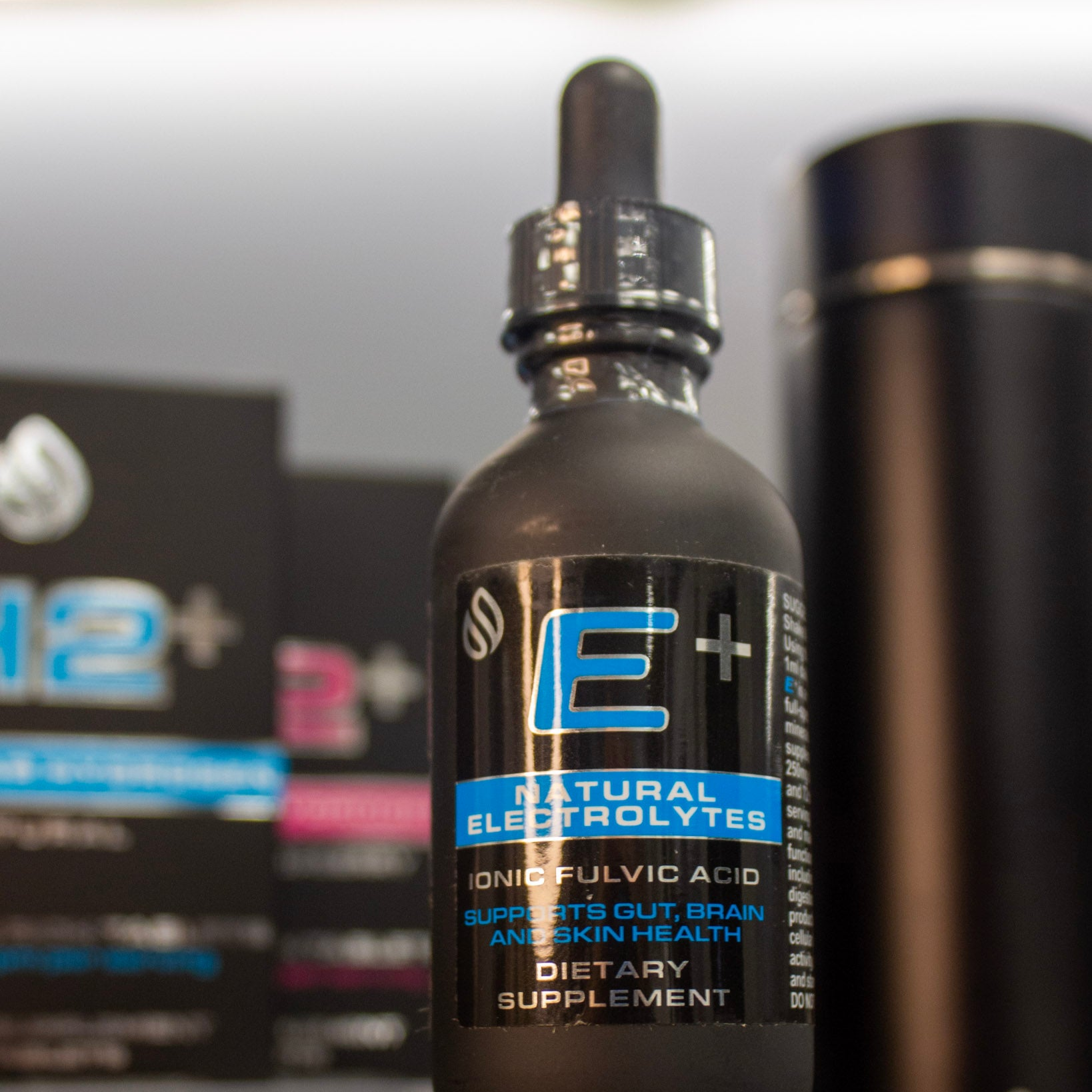
Electrolytes such as sodium, potassium and magnesium play an essential role in regulating fluid balance within the body. These minerals help ensure that water is properly distributed and transported into cells, where hydration is most beneficial.
When electrolyte levels are balanced, the body can retain moisture more effectively and support normal cellular function. This helps improve overall hydration throughout the body while also supporting the skin’s protective barrier.
Proper electrolyte balance may also help support the skin’s resilience. Well-hydrated cells are better able to maintain their structure and function, which contributes to smoother, healthier-looking skin.
A Smarter Hydration Strategy for Skin Health
Rather than focusing solely on drinking more water, it can be helpful to take a more complete and balanced approach to skin hydration. While water is essential, the body also needs the right internal support systems to properly absorb, distribute and retain that water within cells.
A balanced hydration strategy includes:
01 - Consistent Water Intake
Drinking water regularly throughout the day helps maintain the body’s natural fluid balance. Small, consistent intake is often more effective than consuming larger amounts at once, as it allows the body to absorb and utilise water more efficiently.
02 - Electrolyte Support
Electrolytes help regulate how fluids move throughout the body. These minerals support proper hydration by helping water reach the cells that need it most, which plays an important role in maintaining healthy skin function.
03 - Antioxidant Protection
Antioxidants help defend skin cells against oxidative stress caused by environmental factors such as pollution, UV exposure and everyday metabolic processes. By protecting the health of skin cells, antioxidants help support the skin’s ability to maintain hydration, resilience and a healthy appearance.
04 - Cellular Support
Healthy skin relies on the body’s natural ability to repair and renew cells. Nutrients that support cellular repair processes help maintain the skin’s structure, elasticity and protective barrier, which all contribute to better moisture retention and overall skin health.
Together, these factors create the internal environment needed for healthy and well-hydrated skin. By supporting hydration at the cellular level, you help create the foundation for skin that looks healthier, more resilient and naturally radiant from the inside out.