
If your day doesn’t properly start until your first coffee you’re not alone.
For most of us, caffeine has become the go-to solution for low energy, brain fog and that mid-afternoon slump. Here’s the thing: caffeine doesn’t create energy, it borrows it.
While it can feel helpful in the moment, it’s often masking a much more fundamental issue, hydration.
So what powers sustainable, feel-good energy throughout the day? Caffeine or hydration? Let’s break it down.
What Caffeine Does to Your Energy
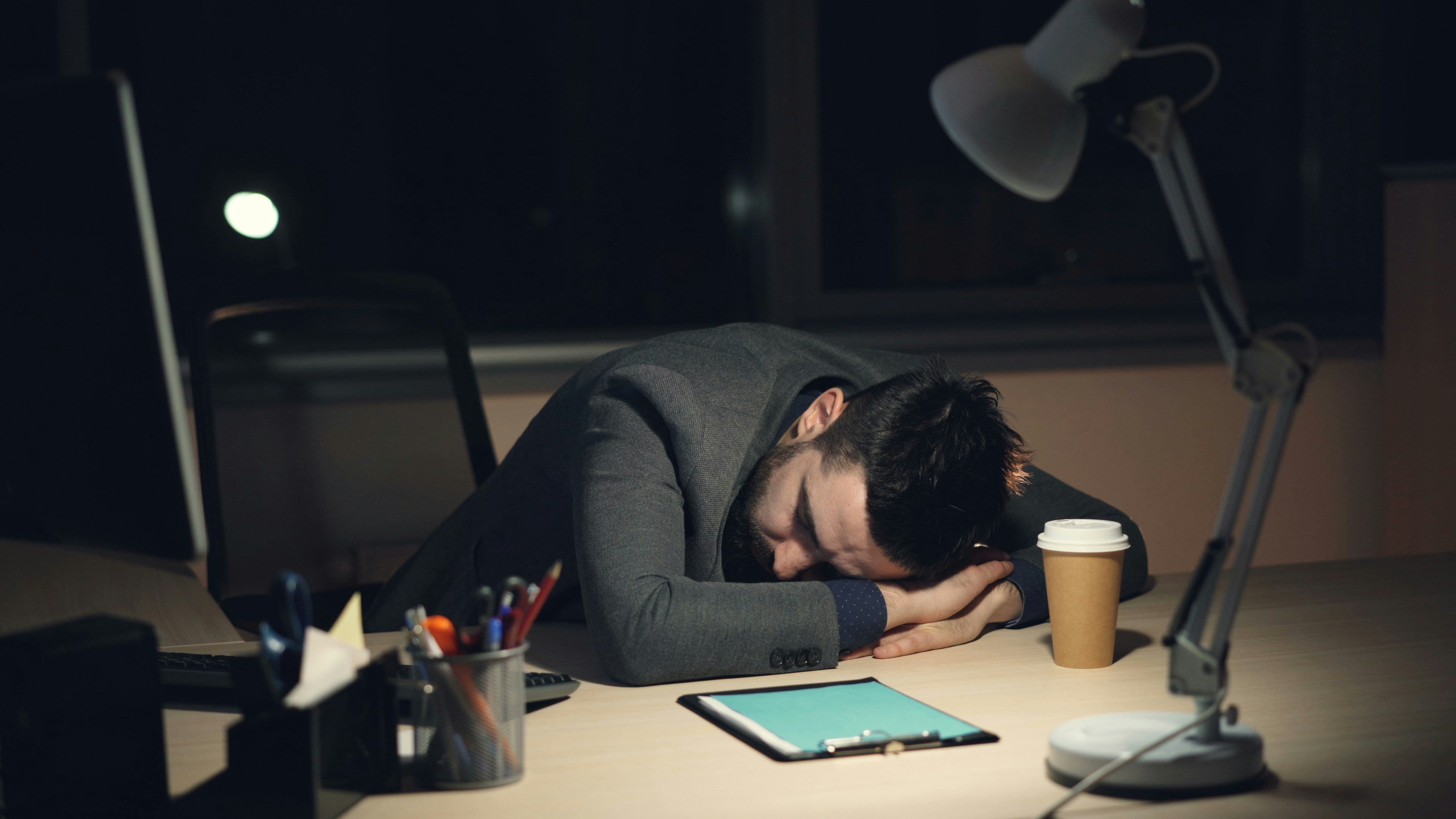
Caffeine works by blocking adenosine, a chemical in the brain that makes you feel tired. In simple terms, it tells your brain: “You’re not tired yet.”
That’s why it feels like a boost.
But it doesn’t:
- Improve cellular energy production
- Support hydration
- Help your body recover or rebalance
Once caffeine wears off, adenosine comes rushing back often harder than before.
That’s why many people end up in a cycle of:
coffee → temporary lift → crash → more coffee
Caffeine isn’t bad. It just isn’t a long-term energy strategy on its own.

Why Hydration Is the Foundation of Energy
Every system in your body relies on water including the ones responsible for energy, focus, and mental clarity.
When you’re even mildly dehydrated, your body has to work harder to do basic things like:
- Deliver oxygen to cells
- Produce ATP (your body’s energy molecule)
- Maintain focus and cognitive performance
You feel sluggish, foggy, and flat, even if you’ve slept well.
Here’s the kicker: most people are chronically under-hydrated, even if they “drink loads of water.”
Why Plain Water Often Isn’t Enough
If you’re drinking plenty but still feel tired, it’s not in your head.
Plain water doesn’t always get absorbed efficiently at a cellular level, especially if your body is under stress, training hard, working long hours, or relying heavily on caffeine.
This is where smarter hydration comes in.
Molecular hydrogen, for example, is being studied for its ability to:
- Support cellular energy production
- Reduce oxidative stress (a big contributor to fatigue)
- Help water work better inside the body
Because it’s the smallest molecule in the universe, hydrogen can move easily into cells and support the systems that create energy, rather than only stimulating your nervous system.
This is why hydration isn’t just about volume. It’s about quality and absorption.
A Simple Comparison
Hydration vs Caffeine

Caffeine
- Fast, noticeable lift
- Can improve alertness short-term
- Often followed by a crash
- Doesn’t address underlying fatigue

Hydration
- Supports real energy production
- Improves focus and mental clarity over time
- No spike, no crash
- Builds a better baseline day after day
Where Caffeine Does Fit
Caffeine works best when it’s layered on top of good hydration, not used as a replacement for it.
People often notice that when their hydration is dialled in:
- They need less caffeine
- Coffee feels smoother, not jittery
- Energy lasts longer through the afternoon
Hydration first, caffeine second, not the other way around.

What Sustainable Daily Energy Looks Like
Real energy isn’t about feeling alert at 9am and exhausted by 3pm.
It feels like:
- Waking up clearer
- Fewer dramatic dips during the day
- More consistent focus
- Less reliance on “boosts” to get through
That’s the difference between stimulating your body and supporting it.
If caffeine is how you cope with the day, hydration is how you power it.
January doesn’t need extreme routines, detoxes, or cutting out everything you enjoy. Often, the biggest shift comes from fixing the foundation: how well your body is hydrated.
Ready to try it?
Explore our full range of hydrogen wellness solutions and feel the difference for yourself.
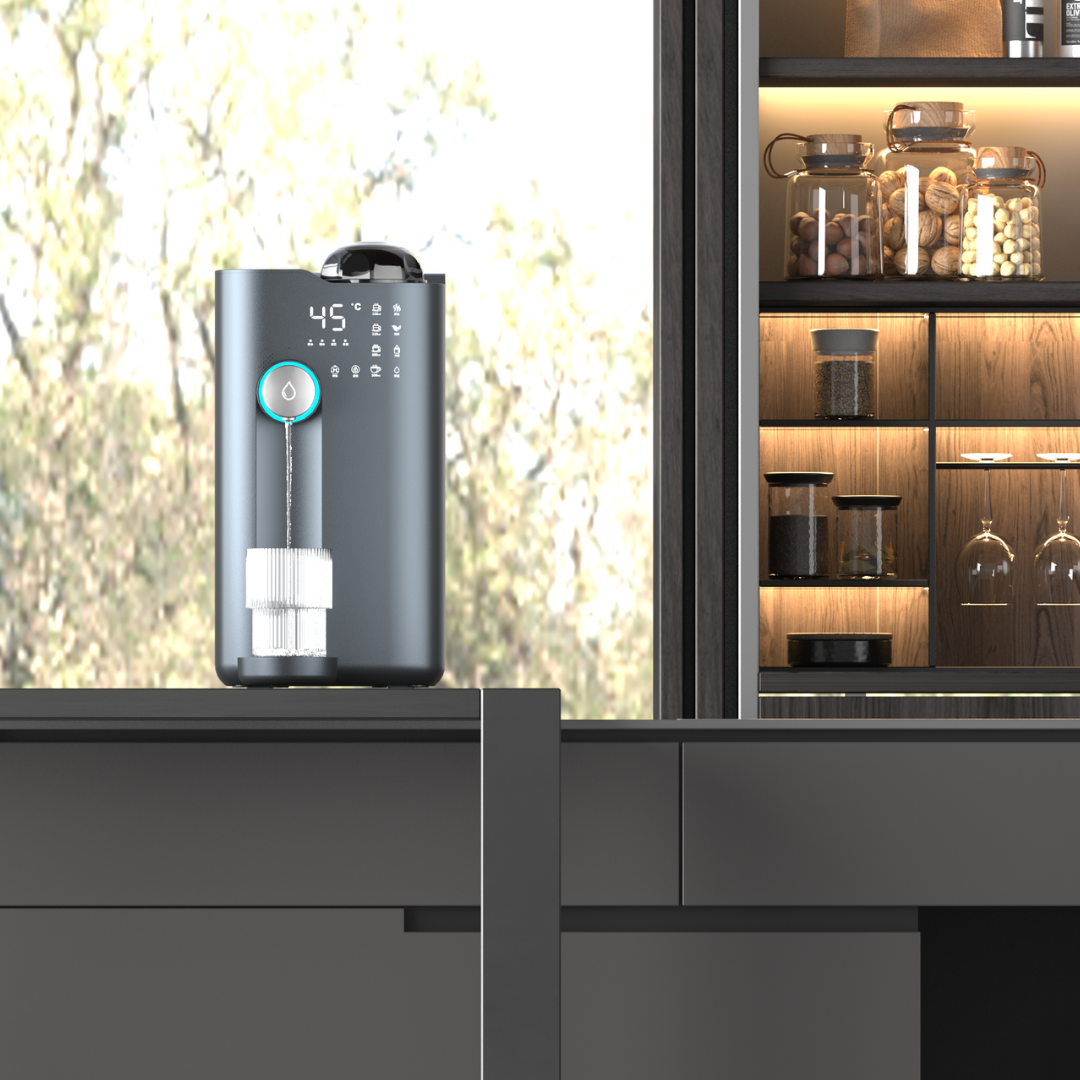
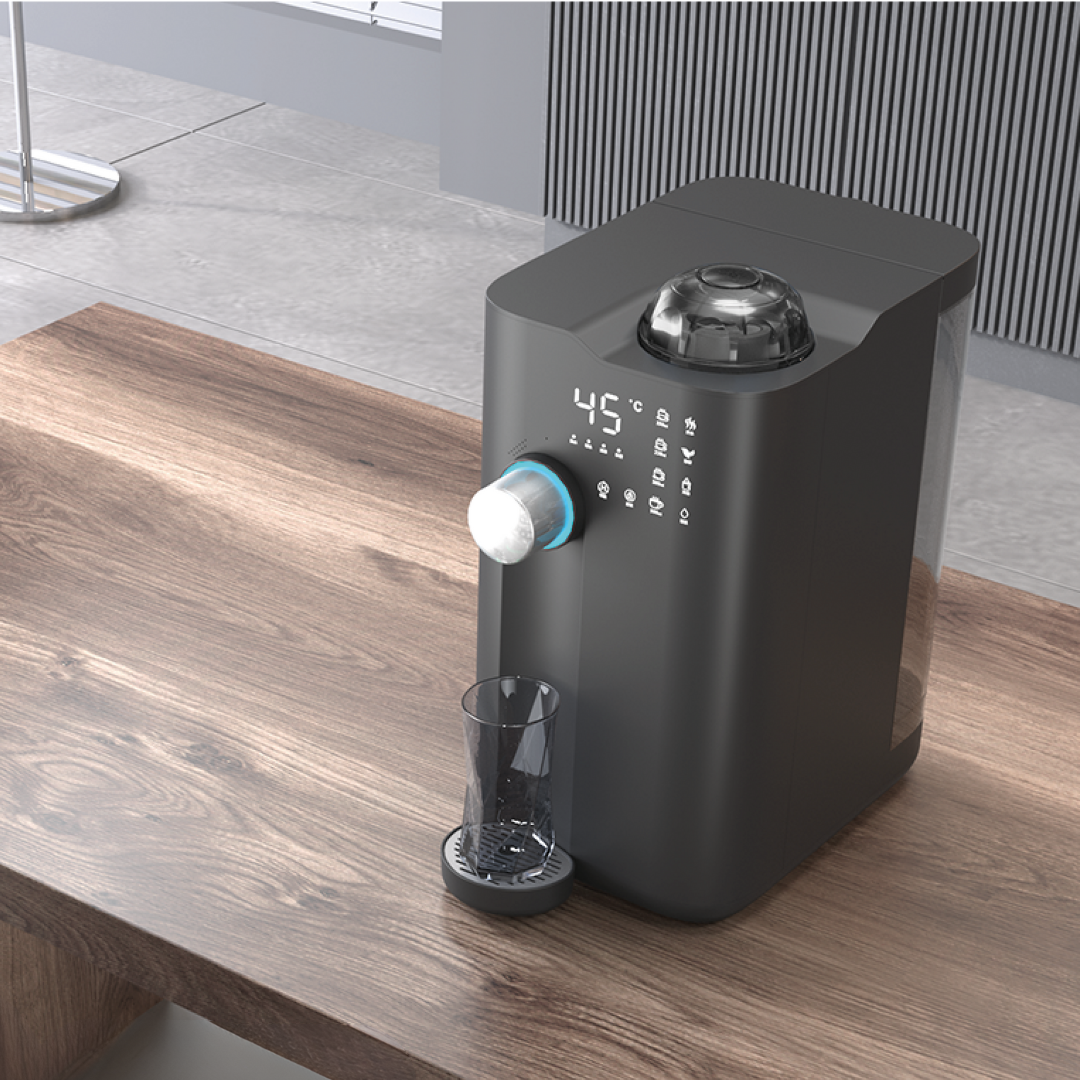
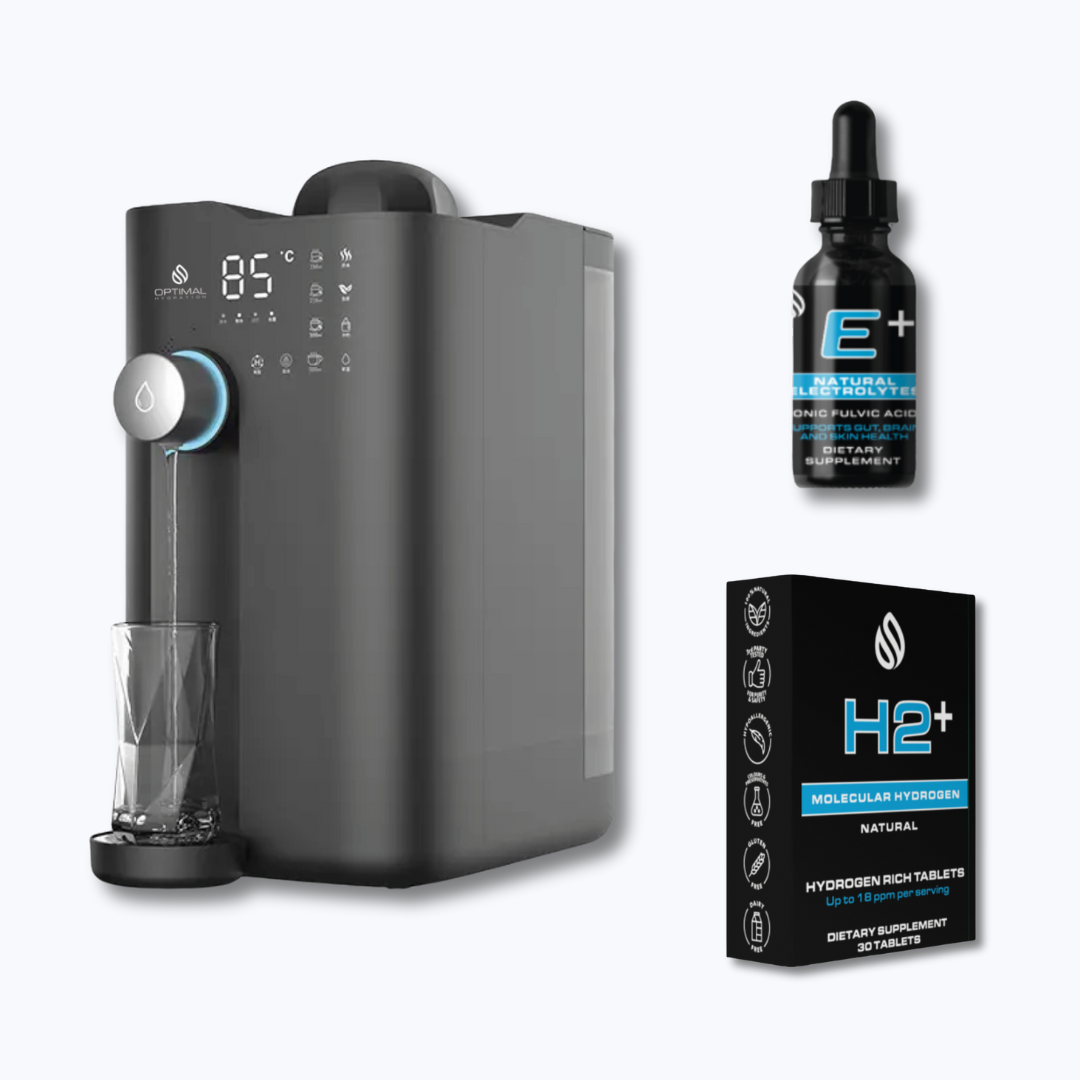
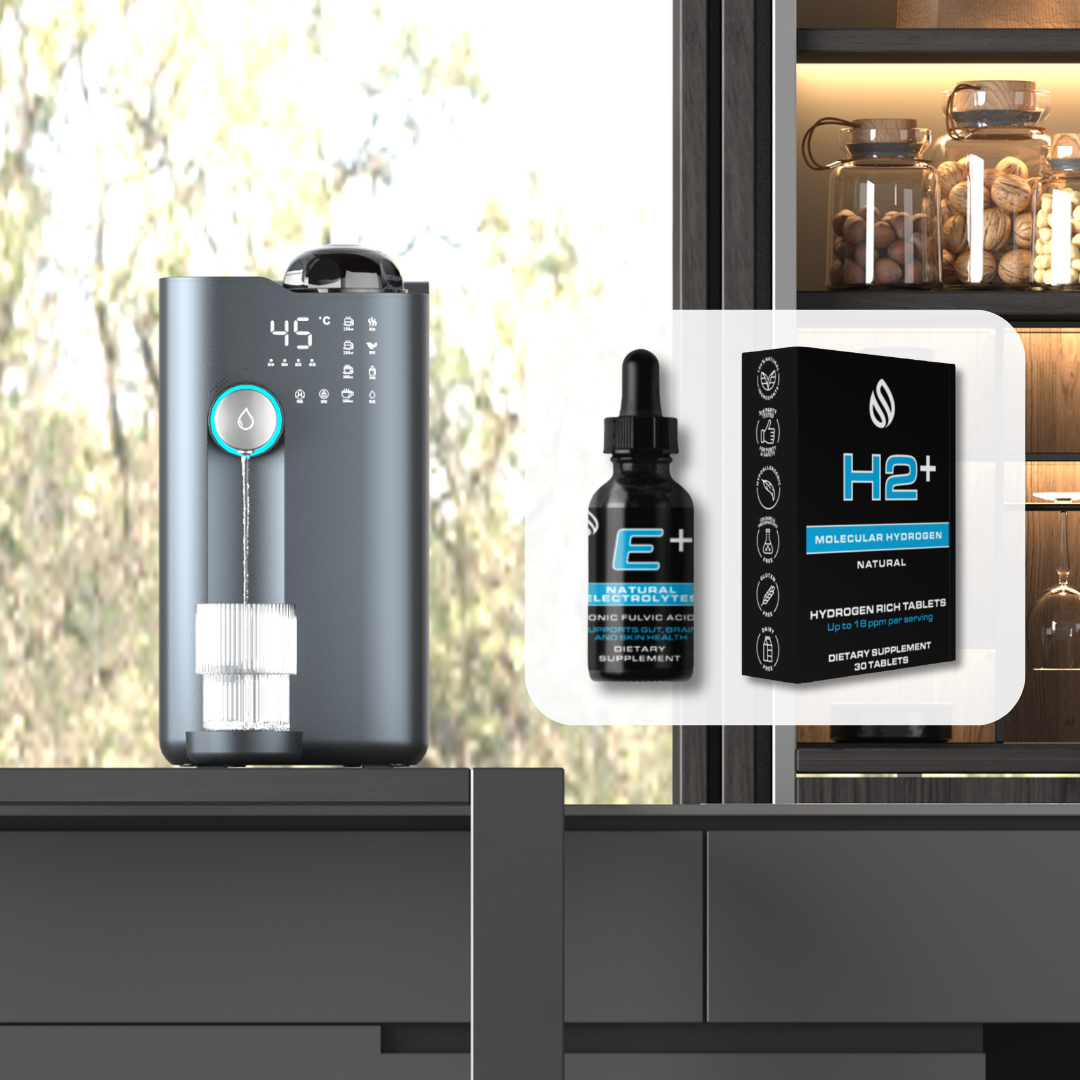
Hydration Pack - OH-1 System | E+ | H2+
Sale price£725.00
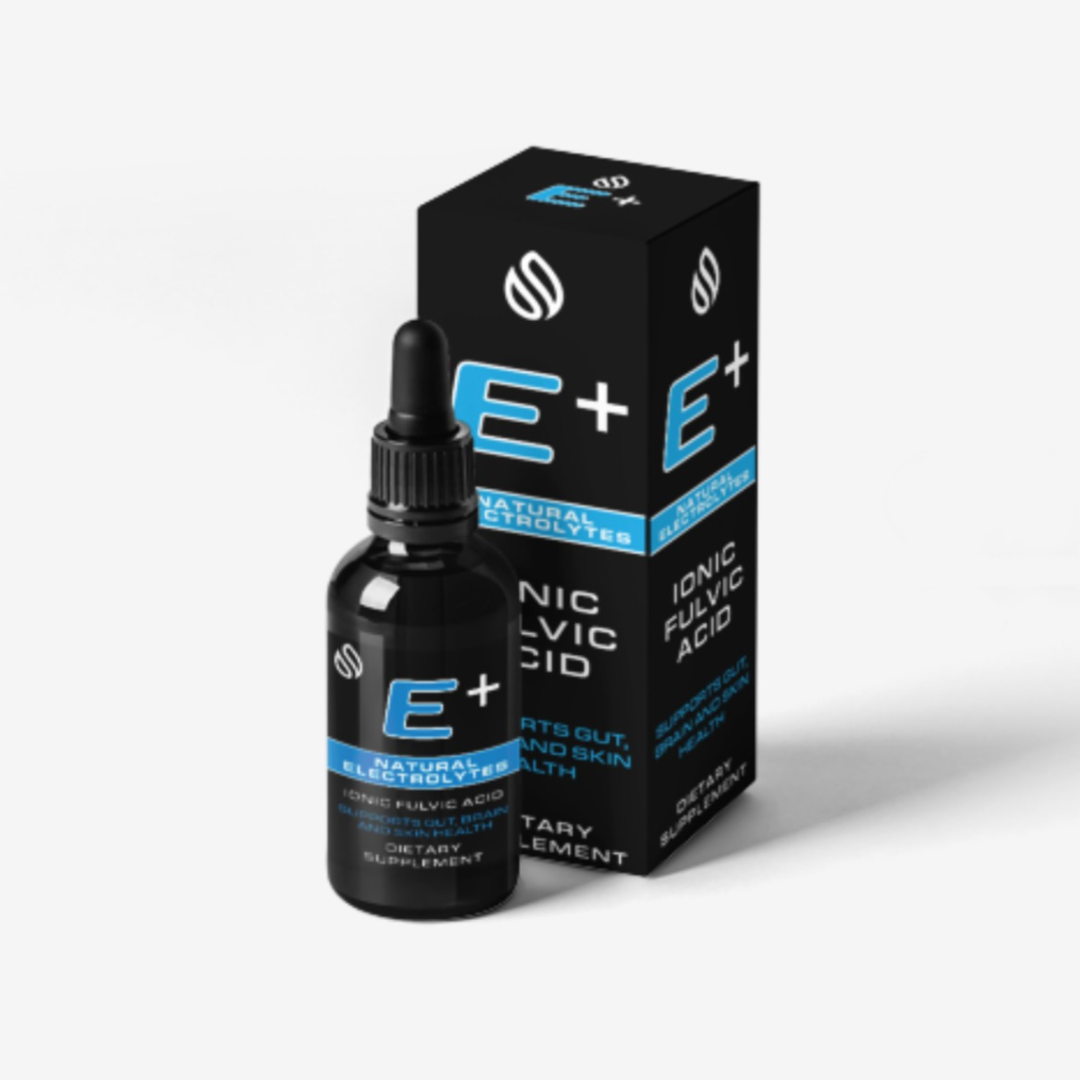
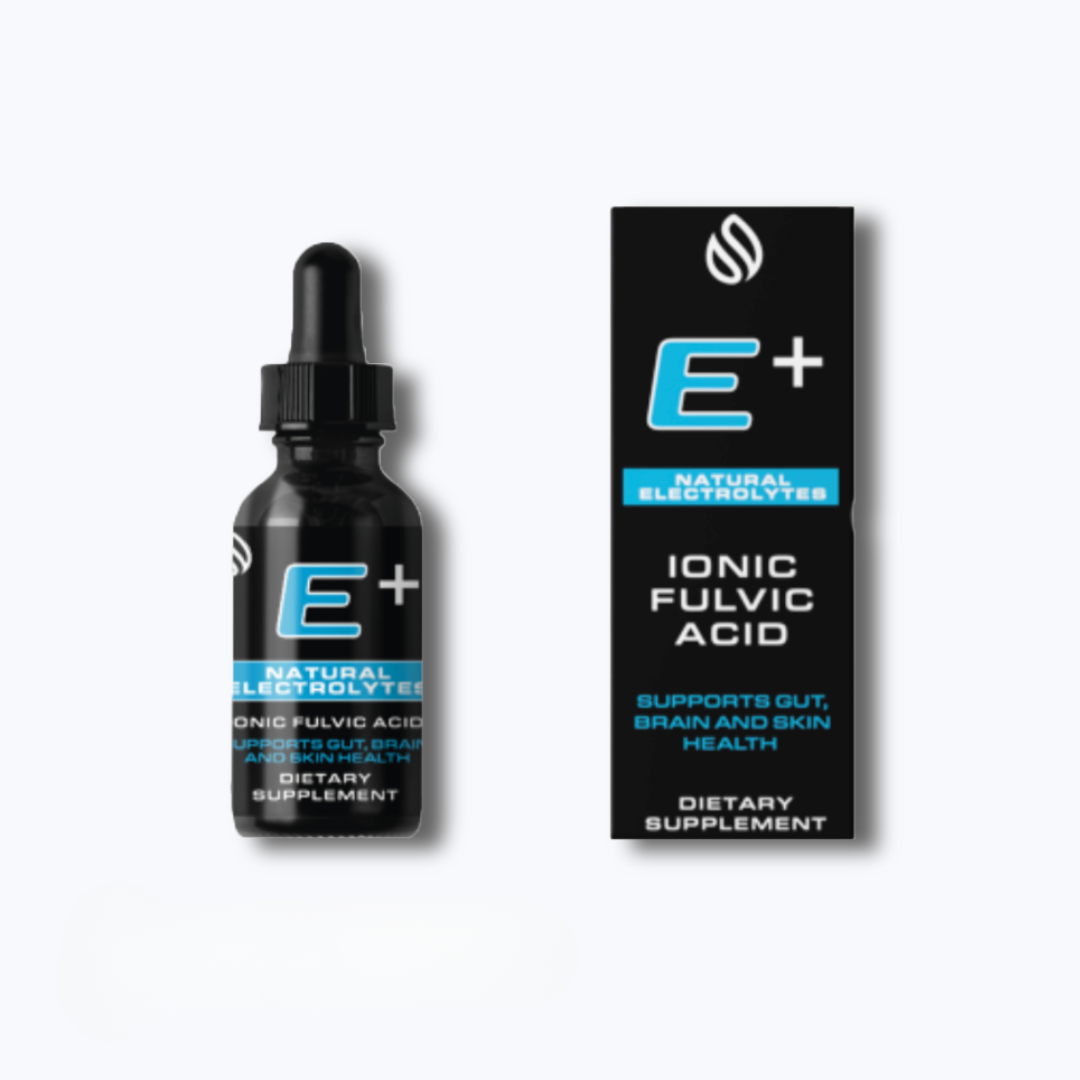
E+ Natural Electrolytes (Ionic Fulvic Acid)
Sale price£21.95
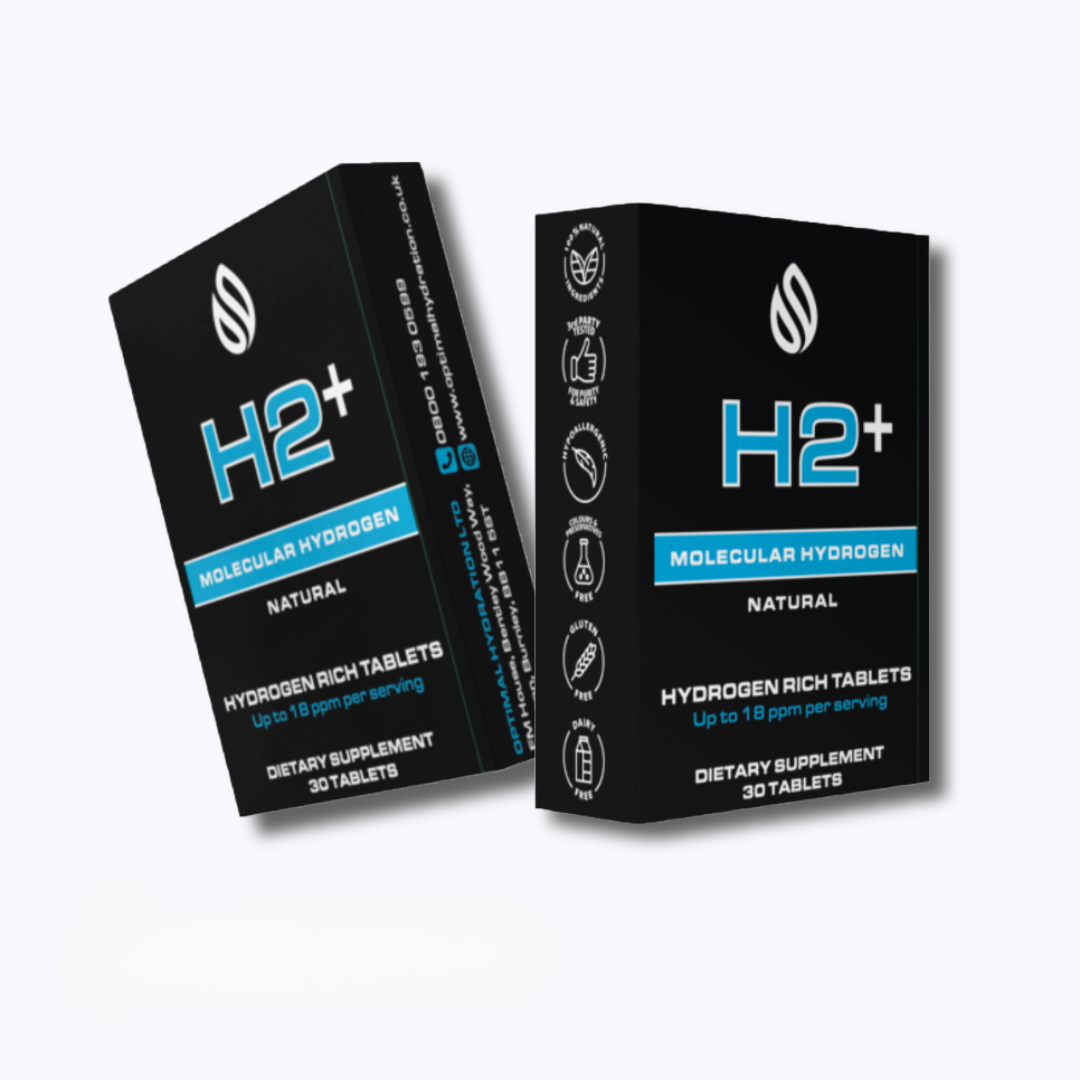

H2+ Molecular Hydrogen Tablets - Natural
Sale priceFrom £29.95

H2+ Molecular Hydrogen Tablets - Natural Raspberry
Sale priceFrom £29.95