

Recovery is one of the biggest priorities in modern fitness.
Lifting weights, training for HYROX, running long distances or simply trying to stay consistent in the gym. Within all of these activities, how well you recover can directly affect your performance, energy and progress.
This is why athletes and gym-goers are paying closer attention to hydration, not just during workouts but afterwards too.
One trend gaining attention is hydrogen water. It can help with muscle recovery, fatigue, endurance and hydration when it comes to gym performance. Does hydrogen-infused water actually help recovery, or is it just another wellness trend? The answer is somewhere in the middle.
While research is still developing, early studies suggest molecular hydrogen may offer some interesting benefits for active people.
What Is Hydrogen Water?
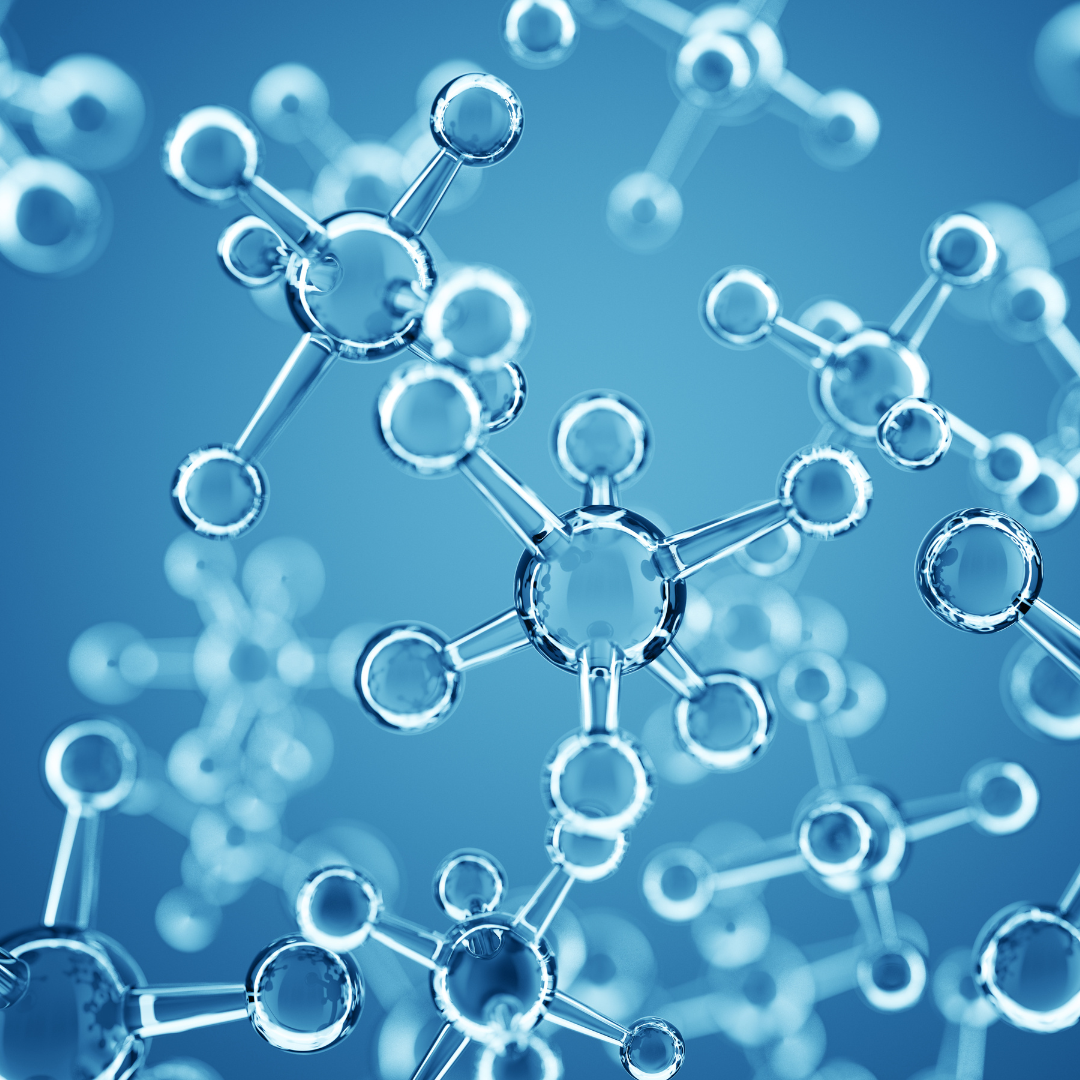
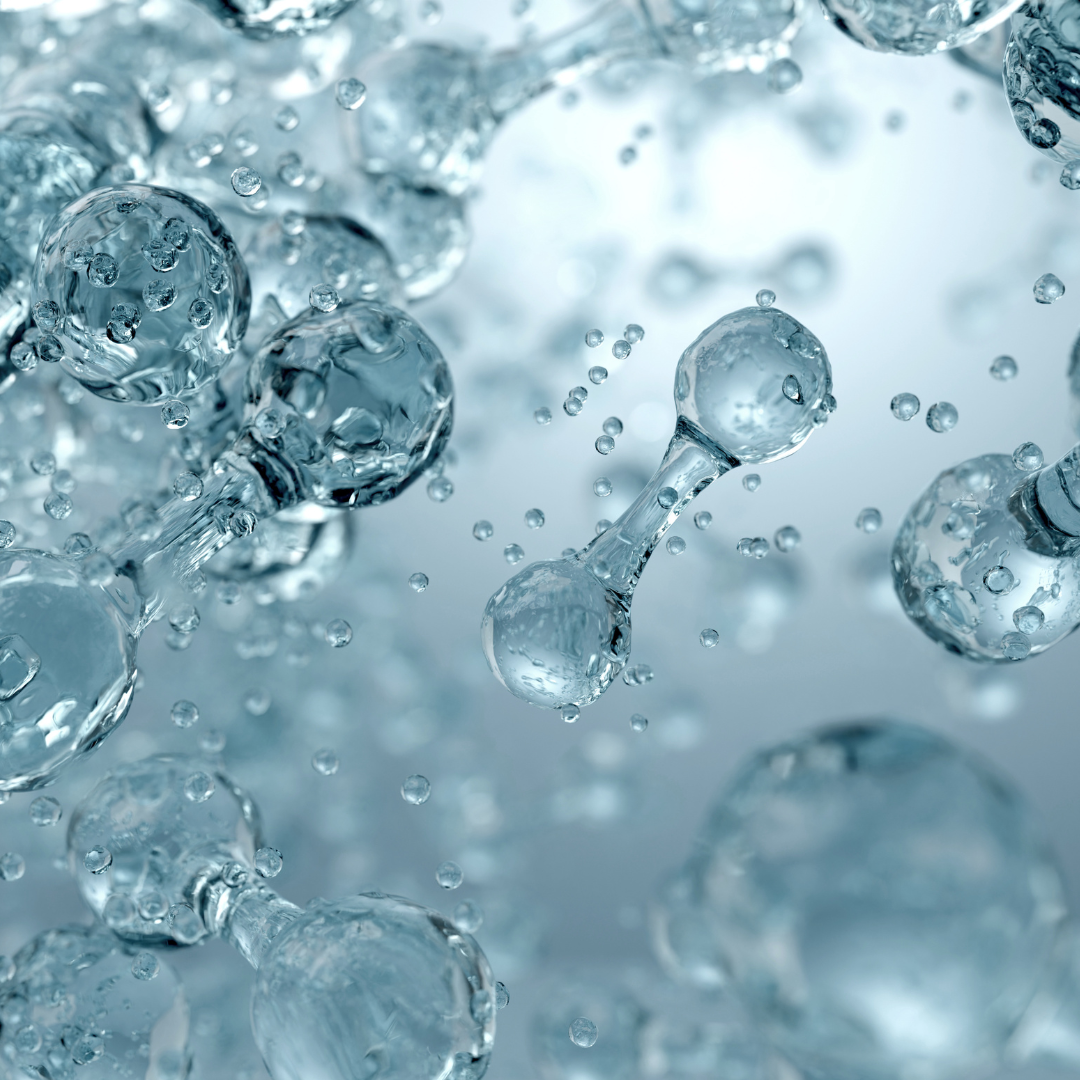
Molecular hydrogen is the smallest molecule in existence, which allows it to move rapidly throughout the body. Researchers have become interested in hydrogen because of its potential antioxidant and anti-inflammatory effects. This matters because intense exercise naturally creates oxidative stress.
Oxidative stress isn’t necessarily bad. Actually, training adaptations partly happen because exercise stresses the body. However, when oxidative stress becomes excessive, especially during hard or frequent training, recovery may become more difficult.
That’s where hydrogen water enters the conversation.
Some researchers believe molecular hydrogen may help support the body’s recovery processes without interfering with the positive adaptations that come from exercise.
Put Simply: Training breaks the body down temporarily. Recovery is how the body rebuilds. Hydration plays a major role in that rebuilding process.

Why Recovery and Hydration Matter for Performance
Most people focus heavily on training intensely, but performance is also shaped by what happens after the workout.
During exercise, the body goes through significant physical stress. Fluid is lost through sweat, muscle fatigue increases, inflammation temporarily rises, electrolytes are depleted and oxidative stress levels increase as energy demands climb.
When recovery is poor, athletes often start to notice persistent soreness, lower endurance, reduced gym performance and an overall feeling of being drained between sessions. Over time, inadequate recovery can also make it harder to stay consistent with training and may slow overall progress.
Hydration is one of the biggest pieces of that recovery puzzle.
Even mild dehydration can affect:
- Energy levels
- Physical performance
- Focus and concentration
- Muscle function
- Perceived fatigue
That’s why hydration for workouts has become such a major focus in sports science.
The question researchers are now exploring is whether hydrogen-rich water may offer additional recovery support beyond standard hydration.
Does Hydrogen Water Help Recovery?
This is a question most athletes want answered.
The honest answer is that research is promising but still evolving; hydrogen water is not a miracle recovery drink. However, several studies suggest it may help support aspects of exercise recovery and fatigue management.
01
Intense exercise naturally increases oxidative stress in the body. In normal amounts, this is part of the training process. But excessive oxidative stress may contribute to:
- Muscle fatigue
- Increased soreness
- Slower recovery
- Reduced performance between sessions
Some researchers suggest molecular hydrogen may help reduce harmful oxidative stress while still allowing normal training adaptations to occur. This is one reason hydrogen water has gained attention in sports recovery research.

02
Fatigue management is another area researchers are exploring. Some studies have found that athletes report:
- Lower perceived exertion
- Reduced fatigue markers
- Better recovery after intense exercise
This doesn’t act like a stimulant or instant energy boost. Instead, the potential benefit may come from helping the body recover more efficiently after demanding training. For people training several times per week, even small recovery improvements can add up over time.
03
Heavy lifting, endurance training, sprint intervals and heavy-intensity workouts all place stress on muscles. Early research suggests hydrogen water may help support recovery by reducing markers linked to:
- Muscle fatigue
- Post-exercise stress
- Delayed recovery
That said, recovery fundamentals still matter most:
- Sleep
- Nutrition
- Hydration
- Protein intake
- Smart training programming
Hydrogen water is best viewed as an additional recovery tool rather than a replacement for the basics.

04
Researchers have also explored whether hydrogen water may support endurance and high-intensity exercise performance. Studies have investigated potential effects on:
- Fatigue accumulation
- Lactate response
- Sustained exercise output
- Recovery between hard efforts
While findings are still mixed, the research has attracted interest from runners, cyclists, HYROX athletes and other high-performance competitors focused on recovery and endurance.
01
Intense exercise naturally increases oxidative stress in the body. In normal amounts, this is part of the training process. But excessive oxidative stress may contribute to:
- Muscle fatigue
- Increased soreness
- Slower recovery
- Reduced performance between sessions
Some researchers suggest molecular hydrogen may help reduce harmful oxidative stress while still allowing normal training adaptations to occur. This is one reason hydrogen water has gained attention in sports recovery research.
02
Fatigue management is another area researchers are exploring. Some studies have found that athletes report:
- Lower perceived exertion
- Reduced fatigue markers
- Better recovery after intense exercise
This doesn’t act like a stimulant or instant energy boost. Instead, the potential benefit may come from helping the body recover more efficiently after demanding training. For people training several times per week, even small recovery improvements can add up over time.
03
Heavy lifting, endurance training, sprint intervals and heavy-intensity workouts all place stress on muscles. Early research suggests hydrogen water may help support recovery by reducing markers linked to:
- Muscle fatigue
- Post-exercise stress
- Delayed recovery
That said, recovery fundamentals still matter most:
- Sleep
- Nutrition
- Hydration
- Protein intake
- Smart training programming
Hydrogen water is best viewed as an additional recovery tool rather than a replacement for the basics.
04
Researchers have also explored whether hydrogen water may support endurance and high-intensity exercise performance. Studies have investigated potential effects on:
- Fatigue accumulation
- Lactate response
- Sustained exercise output
- Recovery between hard efforts
While findings are still mixed, the research has attracted interest from runners, cyclists, HYROX athletes and other high-performance competitors focused on recovery and endurance.
Hydrogen Water vs Traditional Sports Drinks
Hydrogen water and sports drinks are often discussed together, but they’re not exactly designed for the same purpose. Traditional sports drinks are usually focused on:
- Electrolyte replacement
- Carbohydrate intake
- Rapid hydration during prolonged exercise
Hydrogen water, on the other hand, is generally positioned more as a support for hydration and recovery. Many hydrogen water products also contain fewer sugars and additives than conventional sports drinks. However, one doesn’t automatically replace the other.
An endurance athlete running a marathon may still need carbohydrates and electrolytes during competition. Hydrogen water simply becomes part of a broader hydration strategy. The best approach depends on:
- Workout duration
- Training intensity
- Sweat loss
- Recovery needs
- Overall nutrition strategy
Who Might Benefit Most?
Hydrogen water isn’t only for elite athletes. Several groups may be especially interested in recovery-focused hydration.

01
People training four, five, maybe six times per week often place heavy demands on recovery systems. Anything that supports hydration habits and recovery consistency may become valuable.

02
Runners, cyclists, swimmers and HYROX competitors regularly deal with cumulative fatigue and hydration demands.
This makes recovery support especially important.

03
CrossFit-style training, combat sports, sprint intervals and circuit workouts all create significant physical stress. These athletes often prioritise recovery almost as much as performance itself.

04
Many people juggle demanding jobs, family responsibilities and fitness goals. Recovery becomes harder when stress and sleep quality are inconsistent. Convenient hydration support may help active people stay more consistent overall.
01
People training four, five, maybe six times per week often place heavy demands on recovery systems. Anything that supports hydration habits and recovery consistency may become valuable.
02
Runners, cyclists, swimmers and HYROX competitors regularly deal with cumulative fatigue and hydration demands.
This makes recovery support especially important.
03
CrossFit-style training, combat sports, sprint intervals and circuit workouts all create significant physical stress. These athletes often prioritise recovery almost as much as performance itself.
04
Many people juggle demanding jobs, family responsibilities and fitness goals. Recovery becomes harder when stress and sleep quality are inconsistent. Convenient hydration support may help active people stay more consistent overall.
Recovery Still Comes Down to the Basics
Hydrogen water isn’t a shortcut to performance. But for athletes focused on recovery, hydration, and consistency, it may be a useful addition to a well-rounded routine. That includes:
- Quality sleep
- Adequate protein intake
- Proper hydration
- Smart programming
- Rest days
- Stress management
- Consistent nutrition
No drink can compensate for poor recovery habits. The most realistic way to view hydrogen water is as a potential addition to an already solid routine. That’s also the healthiest way to approach performance optimisation in general. Small improvements across multiple areas usually outperform extreme solutions.
Hydrogen water isn’t a shortcut to performance. But for athletes focused on recovery, hydration, and consistency, it may be a useful addition to a well-rounded routine.
H2+ and E+ for Active Lifestyles
For athletes and gym-goers interested in hydrogen water recovery support, products like H2+ and E+ are designed to support active lifestyles in different ways.
Both products work best alongside strong recovery foundations like sleep, nutrition, hydration and consistent training habits.
H2+
H2+ is designed to create hydrogen-rich water for daily hydration and recovery support.
It’s ideal for:
- Post-workout recovery
- Everyday hydration habits
- Active lifestyles and gym routines
- Convenient on-the-go use
E+
E+ is focused more on performance hydration and electrolyte support.
It’s designed to support:
- Workout hydration
- Endurance and energy
- Recovery after intense sessions
- High-performance training routines
Is Hydrogen Water Worth Trying?
Hydrogen water sits in an interesting space between sports science, hydration and recovery.
The research is still emerging, but early findings suggest molecular hydrogen may help support:
- Recovery
- Fatigue management
- Hydration
- Exercise performance
- Endurance-focused training
That doesn’t mean dramatic overnight results. But for athletes and gym-goers who already take recovery seriously, hydrogen water is worth exploring as part of a broader strategy. The key is to keep expectations realistic.
FAQ
Does hydrogen water help recovery?
Some early studies suggest hydrogen water may support recovery by helping reduce oxidative stress and fatigue associated with exercise. However, research is still developing.
Is hydrogen water good for gym performance?
Hydrogen water may support hydration and recovery, which can indirectly affect gym performance and training consistency.
When should you drink hydrogen water for workouts?
People commonly use hydrogen water before, during or after workouts, focusing on their hydration and recovery goals.
Ready to try it?
Explore our full range of hydrogen wellness solutions and feel the difference for yourself.
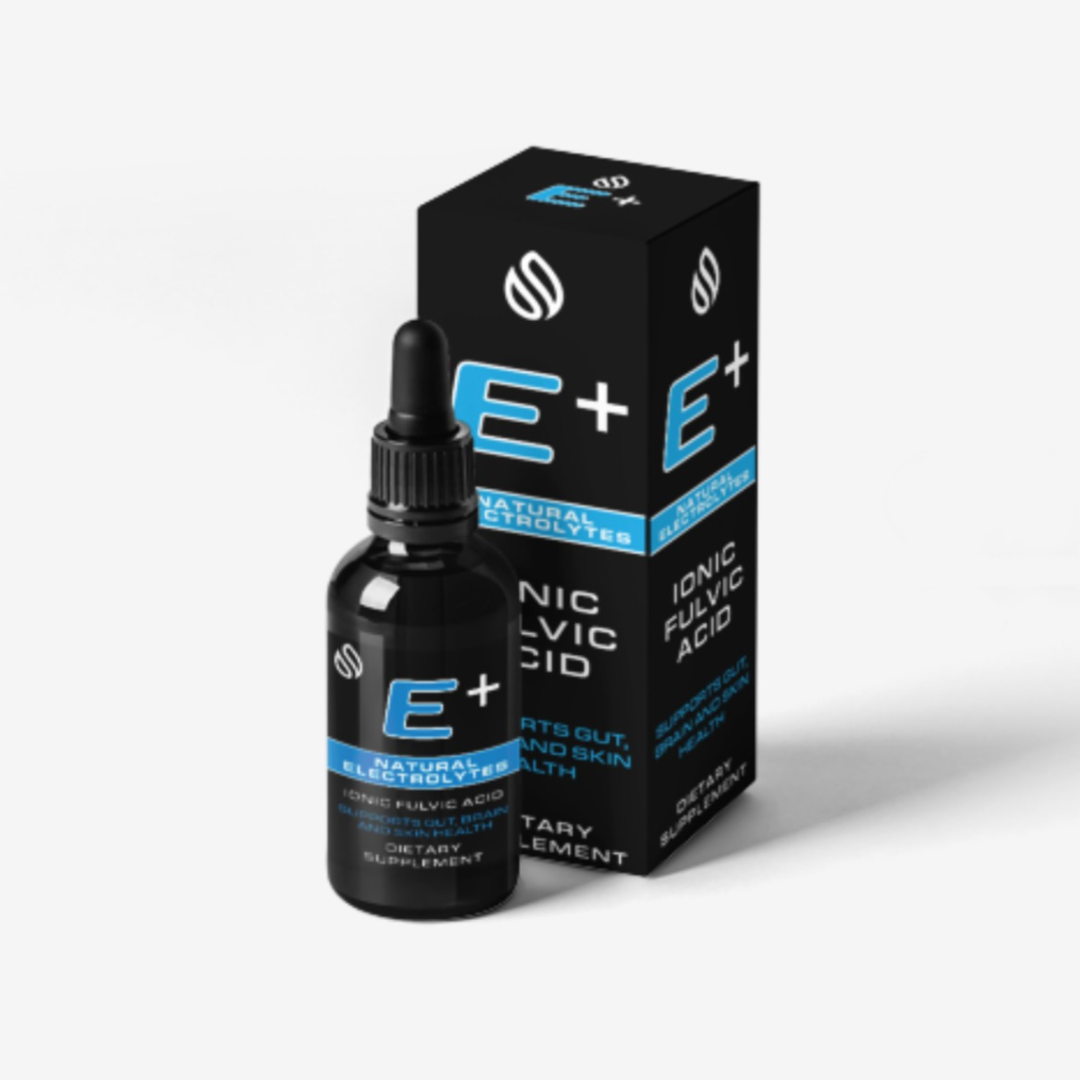
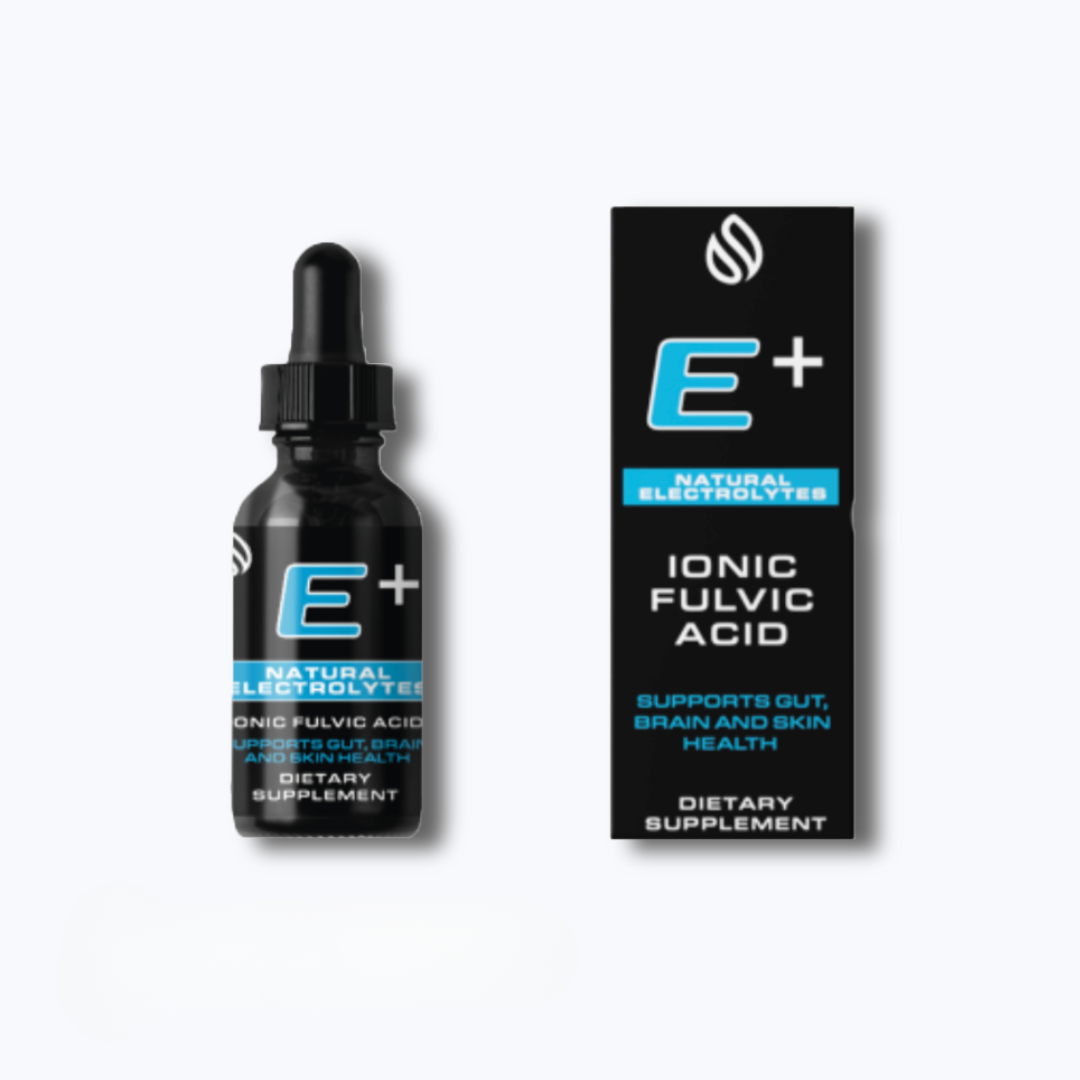
E+ Natural Electrolytes (Ionic Fulvic Acid)
Sale price£21.95
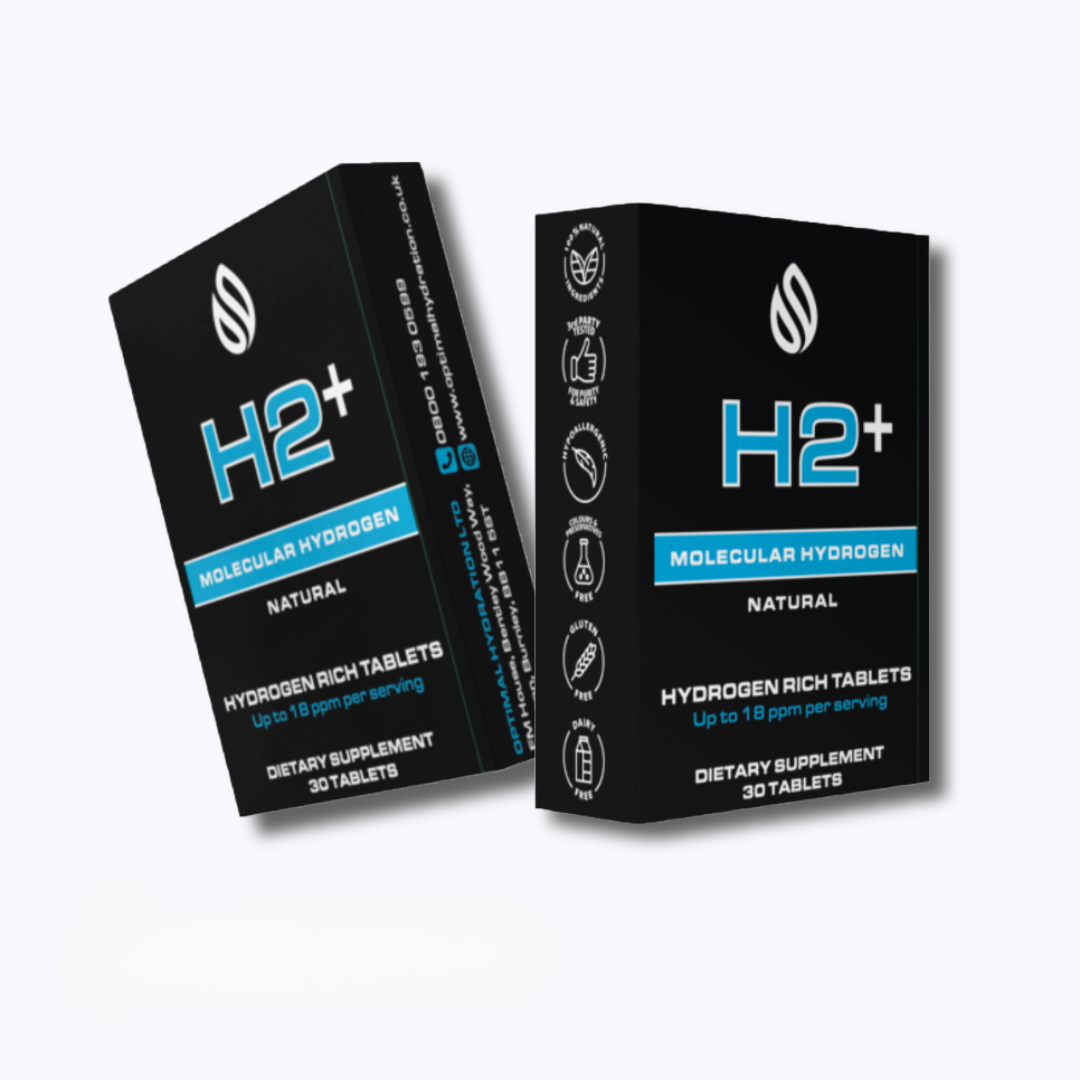

H2+ Molecular Hydrogen Tablets - Natural
Sale priceFrom £29.95

H2+ Molecular Hydrogen Tablets - Natural Raspberry
Sale priceFrom £29.95