

You drink water consistently throughout the day, and you even carry a reusable drinking bottle with you. You know that hydration really matters in your day-to-day.
So why, after all that, do you still feel tired, foggy, sluggish or constantly thirsty?
The answer may lie in what many experts call the “electrolyte gap”, the disconnect between how people think hydration works and what the body actually needs to stay hydrated.
For years, hydration advice has been simplified to one message: drink more water. While water is essential, it’s only one part of the equation. Proper hydration depends on a balance of fluids working together.
For many people, that balance is missing.

Most People Think They’re Hydrated, But Many Aren't
Research suggests that many adults don’t consistently consume enough fluids throughout the day, and even mild dehydration can affect how they feel and perform. The challenge is that dehydration exists on a spectrum. Log before severe symptoms appear, small fluid imbalances can begin influencing energy levels, concentration, mood and physical performance.
What makes this especially tricky is that mild dehydration often masquerades as everyday tiredness, A mid-afternoon energy slump, difficulty concentrating during meetings, or a lingering headache may not immediately signal a hydration issue. Instead, people tend to attribute these symptoms to stress, poor sleep, work-load or screentime.
The result is a cycle where individuals continue experiencing symptoms without considering hydration as a contributing factor. They may drink another coffee, reach for a sugary snack or push through the fatigue, all while the underlying issue remains unaddressed.
This is one reason hydration has become a growing area of interest among health professionals and researchers. The goal isn’t simply to drink more water; it’s to understand what the body actually requires to maintain optimal fluid balance throughout the day.
Why Am I Dehydrated All the Time?
If you’ve ever wondered why you feel dehydrated despite drinking plenty of water, you’re not alone.
Hydration is a dynamic process. Every day, your body loses fluids through breathing, sweating, digestion and normal bodily functions. At the same it relies on a network of minerals and physiological processes to maintain balance.
Several factors can increase the likelihood of dehydration or poor fluid balance:
- Spending time in warm environments
- Exercising regularly
- Consuming caffeine or alcohol
- Eating a highly processed diet
- Experiencing chronic stress
- Sleeping poorly
- Travelling frequently
- Recovering from illness
Even healthy habits can contribute. Someone who exercises often and drinks large amounts of plain water may unknowingly dilute electrolyte levels without replacing the minerals that are lost through sweat.
This can help explain why people can drink litres of water each day, and they still report symptoms that are commonly associated with dehydration. Their fluid intake may be sufficient, but their overall hydration strategy may be incomplete.
Hydration isn’t just about volume but balance, too.

Electrolytes vs Water: What’s the Difference?
It’s not about which is better, really; they both perform different but complementary roles.
Water is the body’s primary fluid. It helps regulate temperature, transports nutrients, removes waste products, lubricates joints and supports countless biological processes.
Electrolytes, though, are minerals that help control how that fluid moves throughout the body.
Water provides the raw material your body needs. Electrolytes help move that water into and out of cells, maintain fluid balance and support normal bodily functions.
Imagine trying to water a garden with a hose that has no pressure. The water exists, but it isn’t getting where it needs to go efficiently.
Similarly, hydration works best when water and electrolytes are present together in the right balance.
This is why many people notice improvements in how they feel when they address electrolyte intake, not because electrolytes replace water, but because they help the body use water more efficiently.
Do Electrolytes Actually Help Hydration
Yes, electrolytes play a central role in fluid regulation throughout the body.
Sodium, in particular, helps the body retain and distribute water. Potassium works alongside sodium to maintain proper fluid balance inside cells. Magnesium supports hundreds of biochemical reactions, including those involved in muscle and nerve function.
When electrolyte levels are low, hydration efficiency can suffer, which becomes important especially during:
- Exercise
- Hot Weather
- Air Travel
- Illness
- High Stress
- Long Workdays
- Diets that restrict certain foods
- Excessive Sweating
However, you don’t need to be an athlete to benefit from maintaining healthy electrolyte levels.
That’s one of the biggest misconceptions surrounding hydration today.
Electrolytes Aren’t Just for Athletes
For years, electrolytes have been marketed primarily to endurance athletes and fitness enthusiasts.
The reality is that every human body relies on electrolytes every day.
Whether you’re sitting at a desk, commuting to work, caring for children, travelling, or exercising, your body constantly uses electrolytes to support normal function.
Modern lifestyles can also increase the likelihood of electrolyte imbalances.
Common factors include:
- Drinking large amounts of plain water.
- Consuming highly processed foods with poor nutrient density.
- Frequent caffeine intake.
- Increased sweating
- Poor sleep
- High stress levels
Many people assume hydration is only something to think about after intense exercise. In reality, hydration affects energy, focus, mood and physical performance throughout everyday life.
Common Dehydration Symptoms You Shouldn’t Ignore
The signs of inadequate hydration can be surprisingly subtle, which is why they're often overlooked or mistaken for other issues. While severe dehydration is easier to identify, mild or ongoing dehydration can quietly affect how you feel throughout the day.
Some of the most commonly reported dehydration symptoms include:
Persistent Fatigue
Even mild dehydration can leave you feeling drained, sluggish, and less productive. When your body doesn't have the fluids it needs, energy levels can drop and everyday tasks may feel more demanding.
Brain Fog
Difficulty focusing, slower thinking, and reduced mental clarity are commonly associated with poor hydration. Many people notice it as trouble concentrating or feeling mentally less sharp than usual.
Frequent Headaches
Hydration plays a role in blood volume and circulation. When fluid balance is disrupted, headaches can become more common, particularly during busy days, travel, or periods of increased activity.
Muscle Cramps
Electrolytes help regulate muscle contractions and support normal muscle function. When fluid and electrolyte levels are out of balance, cramping, tightness, and discomfort may become more likely.
Constant Thirst
Ironically, ongoing thirst can sometimes signal that water alone isn't fully addressing your hydration needs. Proper hydration depends on both fluids and the electrolytes that help the body use them effectively.
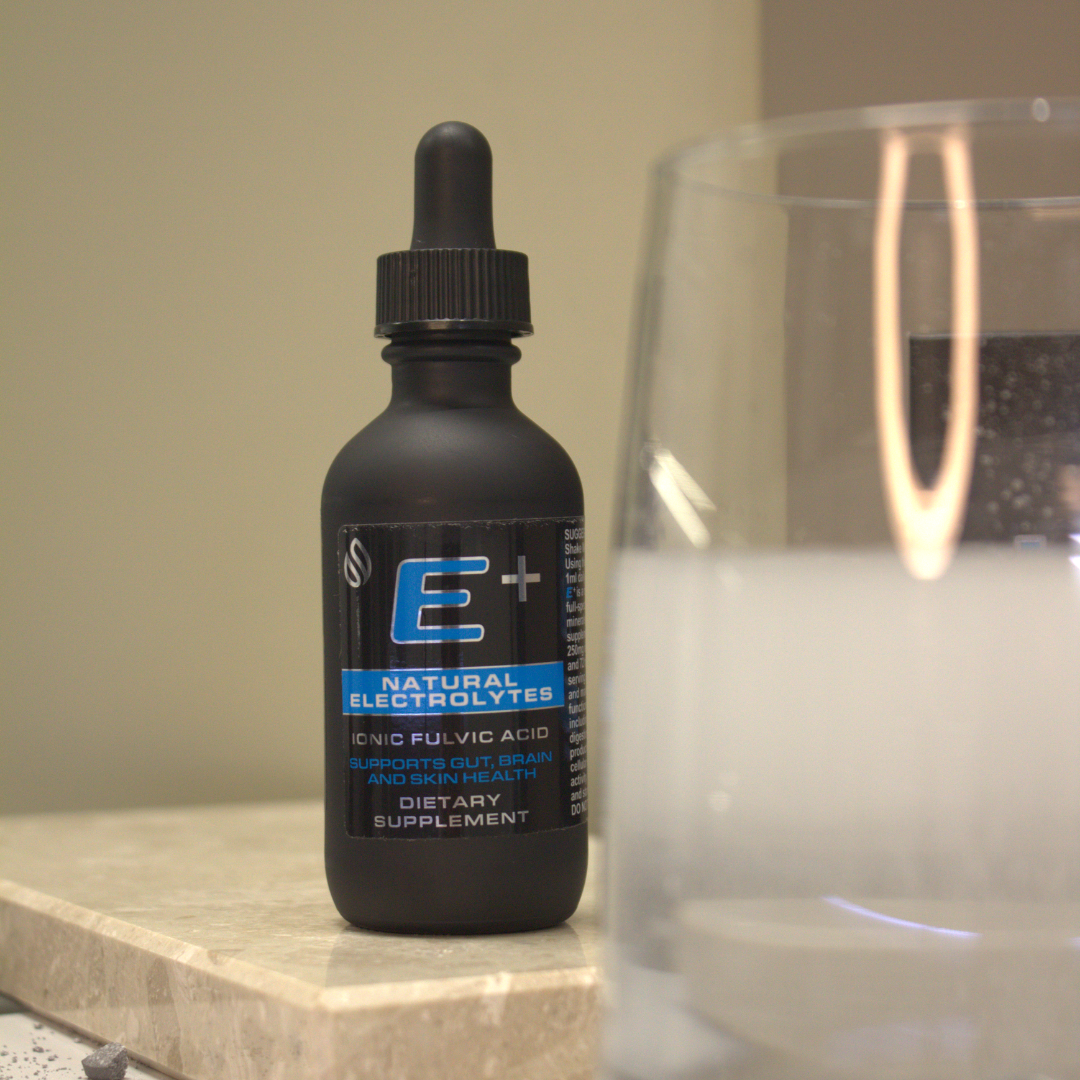
Closing the Electrolyte Gap
Hydration is more than a water problem.
It’s a balance problem.
The growing awareness around electrolytes reflects a broader understanding of how the body actually manages fluids. While water remains essential, electrolytes help ensure that hydration works the way it’s supposed to.
If you’re regularly experiencing fatigue, brain fog, headaches, or feeling that you’re never fully hydrated, it may be worth looking beyond water intake alone.
The goal isn’t to replace water with electrolytes.
It’s to recognise that true hydration depends on both.
As research continues to deepen our understanding of hydration, one thing is becoming increasingly clear: electrolytes aren't a niche sports nutrition trend.
They’re an everyday essential that helps the body function at its best.
Ready to close the gap?
If you're regularly experiencing fatigue, brain fog, headaches, or persistent thirst, it may be worth taking a closer look at your hydration routine.
While water remains essential, adding electrolytes can help support the fluid balance your body relies on every day.
A simple adjustment could make a noticeable difference in how you feel.
Ready to try it?
Explore our full range of hydrogen wellness solutions and feel the difference for yourself.

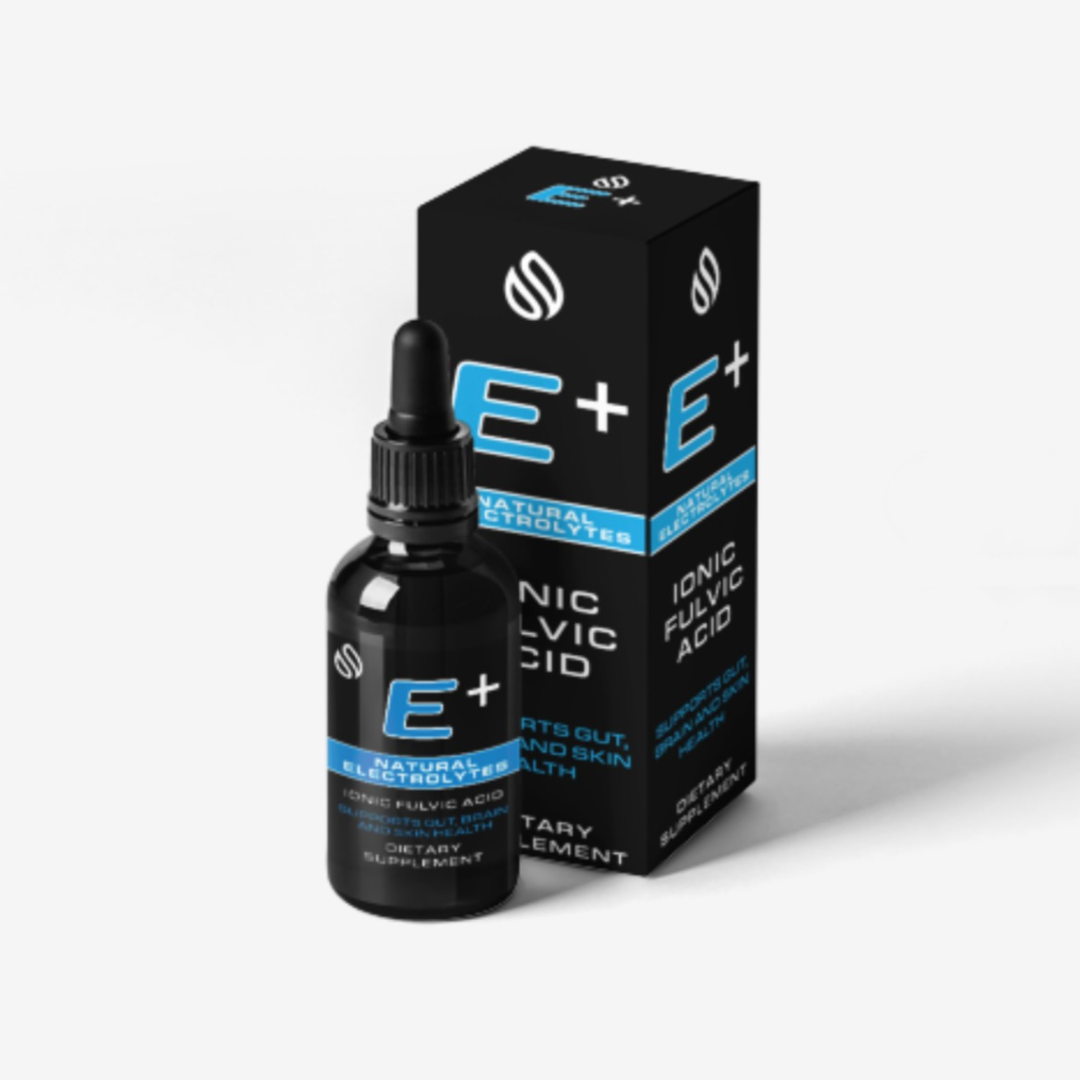
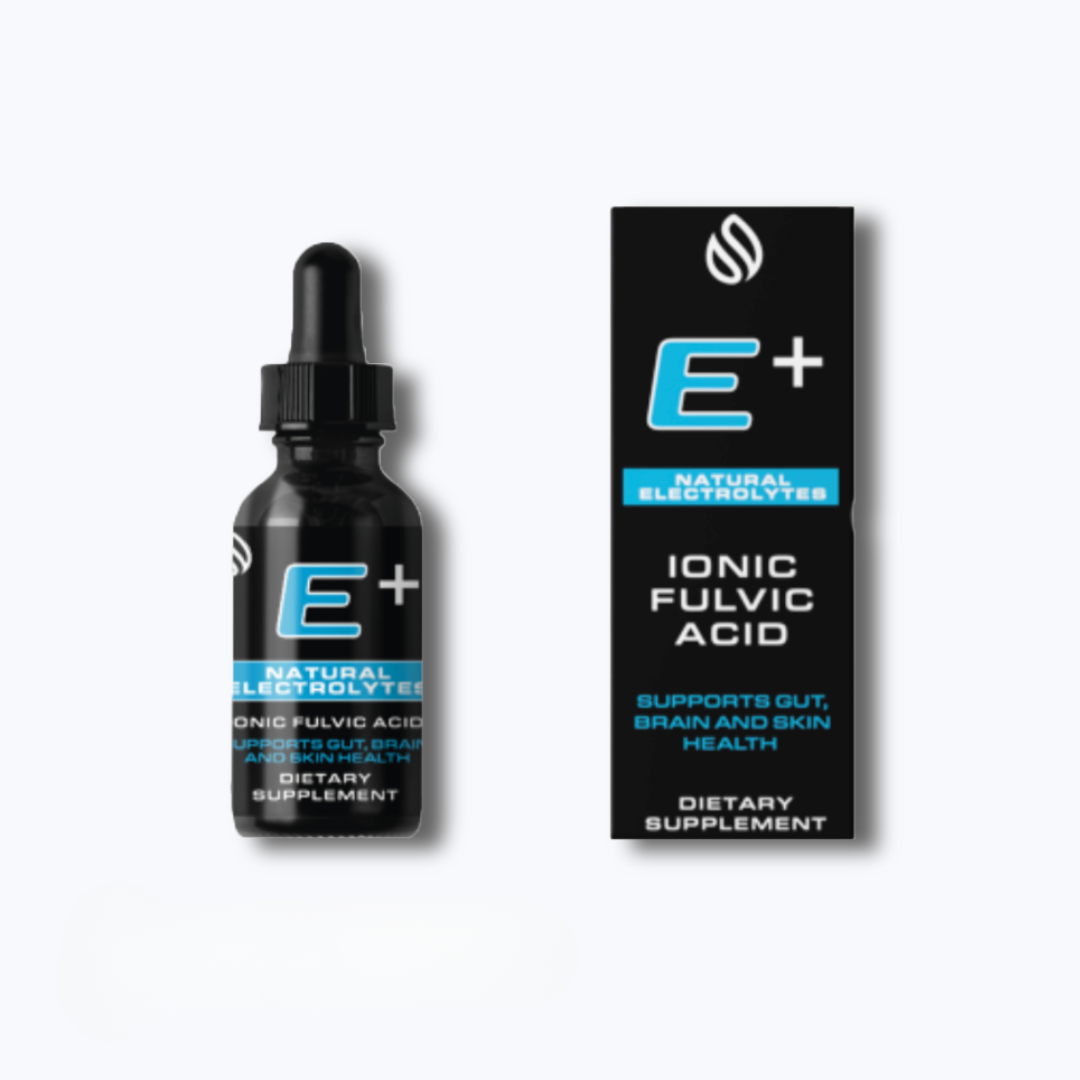
E+ Natural Electrolytes (Ionic Fulvic Acid)
Sale price£21.95
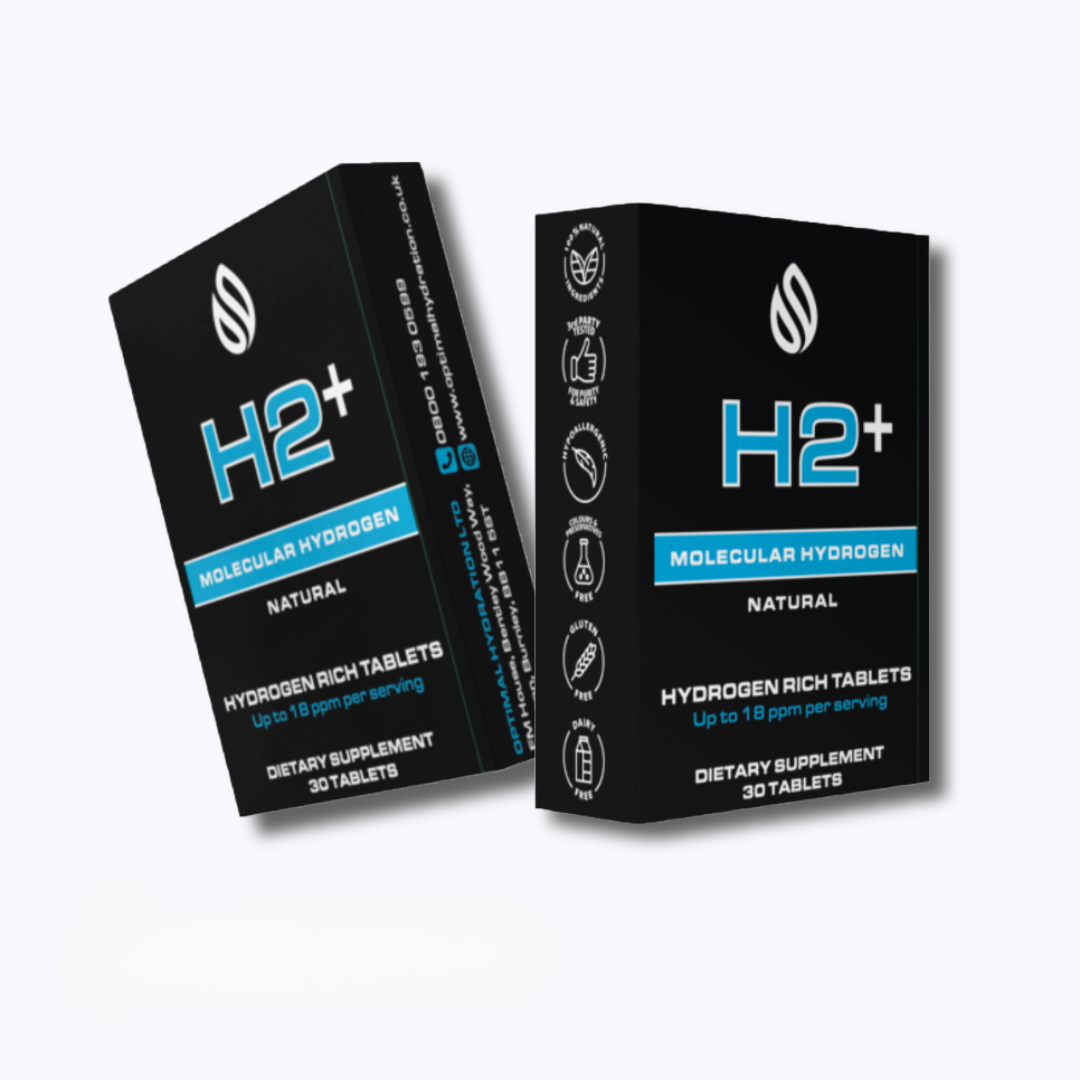

H2+ Molecular Hydrogen Tablets - Natural
Sale priceFrom £29.95

H2+ Molecular Hydrogen Tablets - Natural Raspberry
Sale priceFrom £29.95