

Molecular hydrogen is one of the simplest molecules in existence, yet it's gaining attention in scientific research for how it behaves in the body. Rather than being promoted as a solution or a shortcut, molecular hydrogen is being studied as part of a broader effort to understand cellular environments and oxidative balance.
This article explains what molecular hydrogen is, why it’s considered unique and why researchers continue to study it, clearly, simply and without overstated claims.
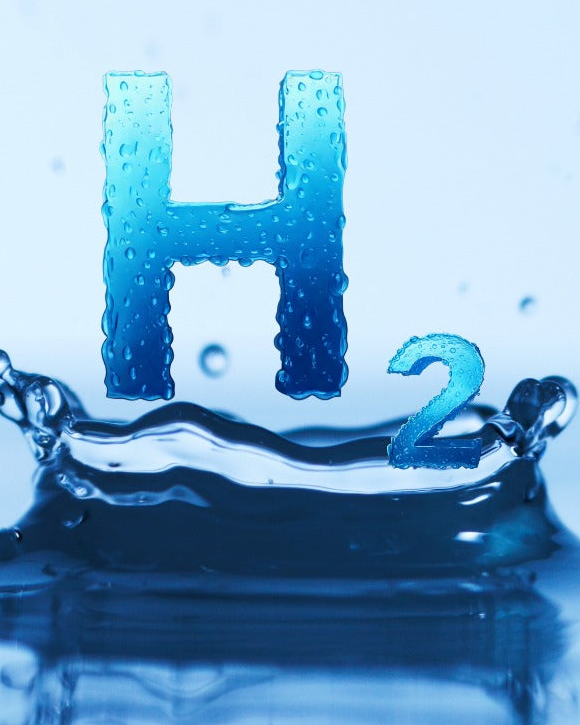
What is Molecular Hydrogen?
Molecular hydrogen is a gas made of two hydrogen atoms bonded together, known as H₂. While hydrogen atoms on their own are highly reactive and short-lived, molecular hydrogen is stable and neutral. This stability is what allows it to exist safely in biological systems.
In scientific research, molecular hydrogen is often examined for how it moves through the body and how it interacts with oxidative stress at the cellular level. Its simplicity is part of what makes it interesting, not because it promises results, but because it behaves differently from larger, complex compounds.
Why Molecular Hydrogen is Unique
One of the defining characteristics of molecular hydrogen is its size. It is the smallest molecule known, which allows it to move freely throughout the body, including into cells and cellular compartments that are less accessible to larger molecules.
Molecular hydrogen also has a neutral electrical charge. This means it can pass through cell membranes without relying on specialised transport systems. From a research perspective, this makes it easier to study how the molecule distributes itself once introduced into the body.
Another feature often discussed in scientific literature is its role as a selective antioxidant. In simple terms, molecular hydrogen appears to interact with harmful free radicals while leaving beneficial reactive molecules untouched. This matters because not all oxidative processes are negative; some are essential for normal cellular communication and balance.
When compared to common antioxidants, which tend to act broadly, molecular hydrogen’s selectivity is one of the reasons researchers view it as distinct. The goal of this research is not to replace traditional antioxidants, but to better understand how different molecules affect oxidative environments in different ways.
What Does Science Say about Molecular Hydrogen?
Scientific research on molecular hydrogen spans multiple fields, including oxidative stress, inflammation, exercise physiology and metabolic processes. Much of foundational research has come from laboratory and animal studies, which helps scientists understand basic mechanisms and behavior.
Human studies are more recent and remain limited in number. Researchers are careful to differentiate between early findings and established evidence, which is an important part of maintaining scientific integrity. As interest grows, studies continue to explore how molecular hydrogen is absorbed, distributed and utilised within the body.

Why Scientists Are Interested in Molecular Hydrogen
Modern lifestyles place increasing demands on the body. Environmental factors such as pollution, physical stress from exercise and daily psychological stress all contribute to oxidative load. Scientists are interested in molecular hydrogen because it offers a way to study these effects at a cellular level.
Instead of addressing surface-level symptoms, molecular hydrogen research often focuses on the internal conditions that influence cellular function. This aligns with a broader shift in health science toward understanding foundational processes rather than quick interventions.
Researchers continue to study molecular hydrogen because of its unique combination of simplicity, mobility and an apparent safety profile. Each study adds clarity, not just about potential uses, but about the limits of what molecular hydrogen can and cannot do.
Is Molecular Hydrogen Safe?
Studies generally report that molecular hydration is well tolerated. An Important point often highlighted in research is that the human body naturally produces small amounts of hydrogen gas through gut bacteria during digestion.
Molecular hydrogen has been used in research settings without significant adverse effects reported. As with all emerging areas of study, conclusions remain measured. Molecular hydrogen is not intended to diagnose, treat, or cure disease, and research in this area is still ongoing.
Transparency around safety and limitations is essential to maintaining trust, especially as scientific understanding continues to develop.
Key Takeaways
Molecular Hydrogen is a stable gas made of two hydrogen atoms. Its extremely small size and neutral charge allow it to move easily throughout the body, including into cells. Researchers study it primarily for how it interacts with oxidative stress and cellular environments. It appears to act as a selective antioxidant and is generally well tolerated, with small amounts naturally produced in the human gut. Scientific research continues to evolve and claims to remain cautious and evidence-based.
Quick Questions
What is molecular hydrogen?
Molecular hydrogen is a gas made of two hydrogen atoms. It’s the smallest molecule in nature and is studied for how it interacts with oxidative stress in the body.
How does molecular hydrogen work?
Molecular hydrogen acts as a selective antioxidant, meaning it may help neutralise harmful free radicals without disrupting helpful cellular processes.
What are selective antioxidants?
Selective antioxidants target harmful free radicals while leaving beneficial ones intact, helping cells without interfering with normal cellular signalling.
Why is molecular hydrogen being studied?
Scientists are studying molecular hydrogen for its potential role in supporting cellular health and managing oxidative stress. Research is ongoing.
How is molecular hydrogen different from other antioxidants?
Unlike many antioxidants. Molecular hydrogen appears to work selectively and can easily reach cells due to its extremely small size.
Ready to try it?
Explore our full range of hydrogen wellness solutions and feel the difference for yourself.


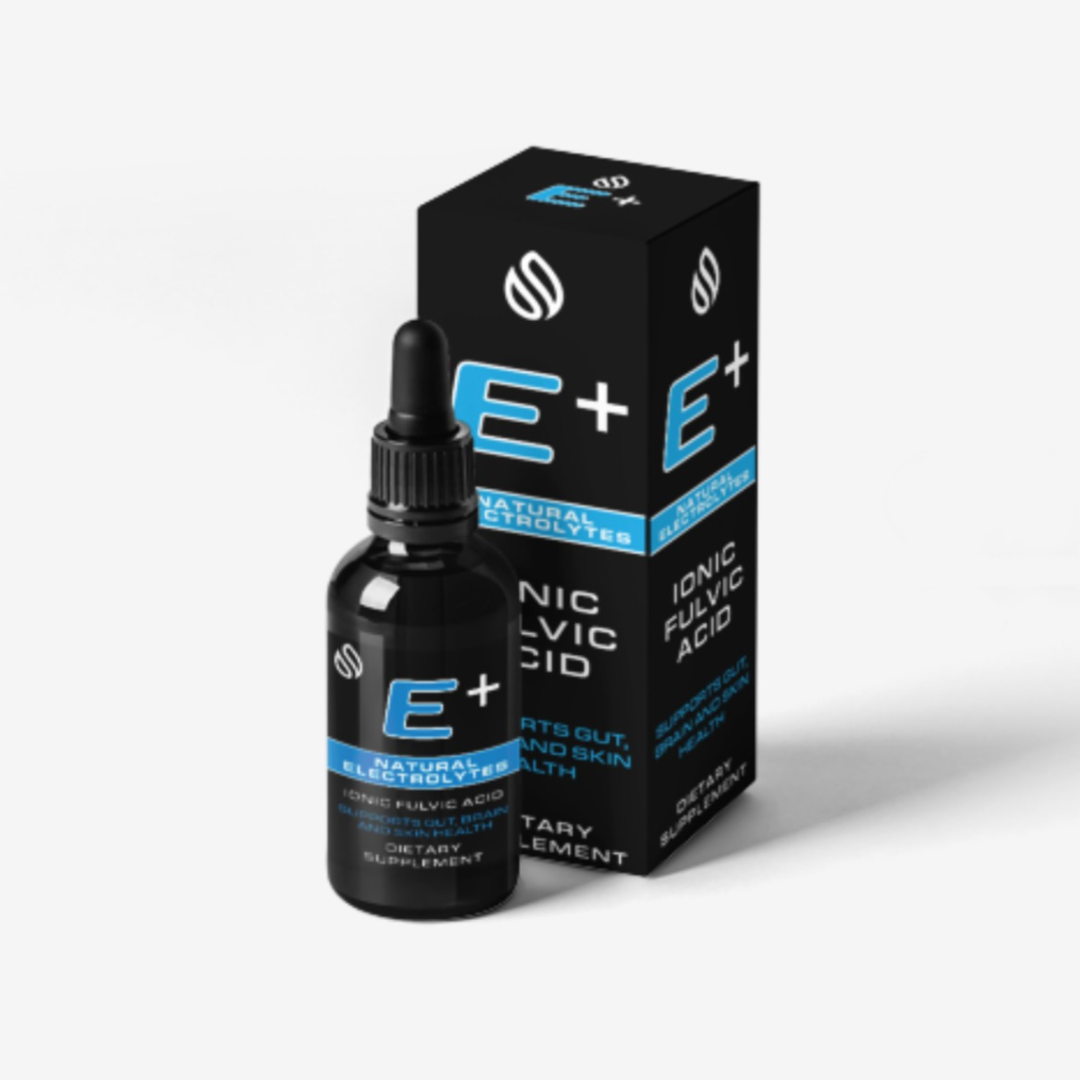
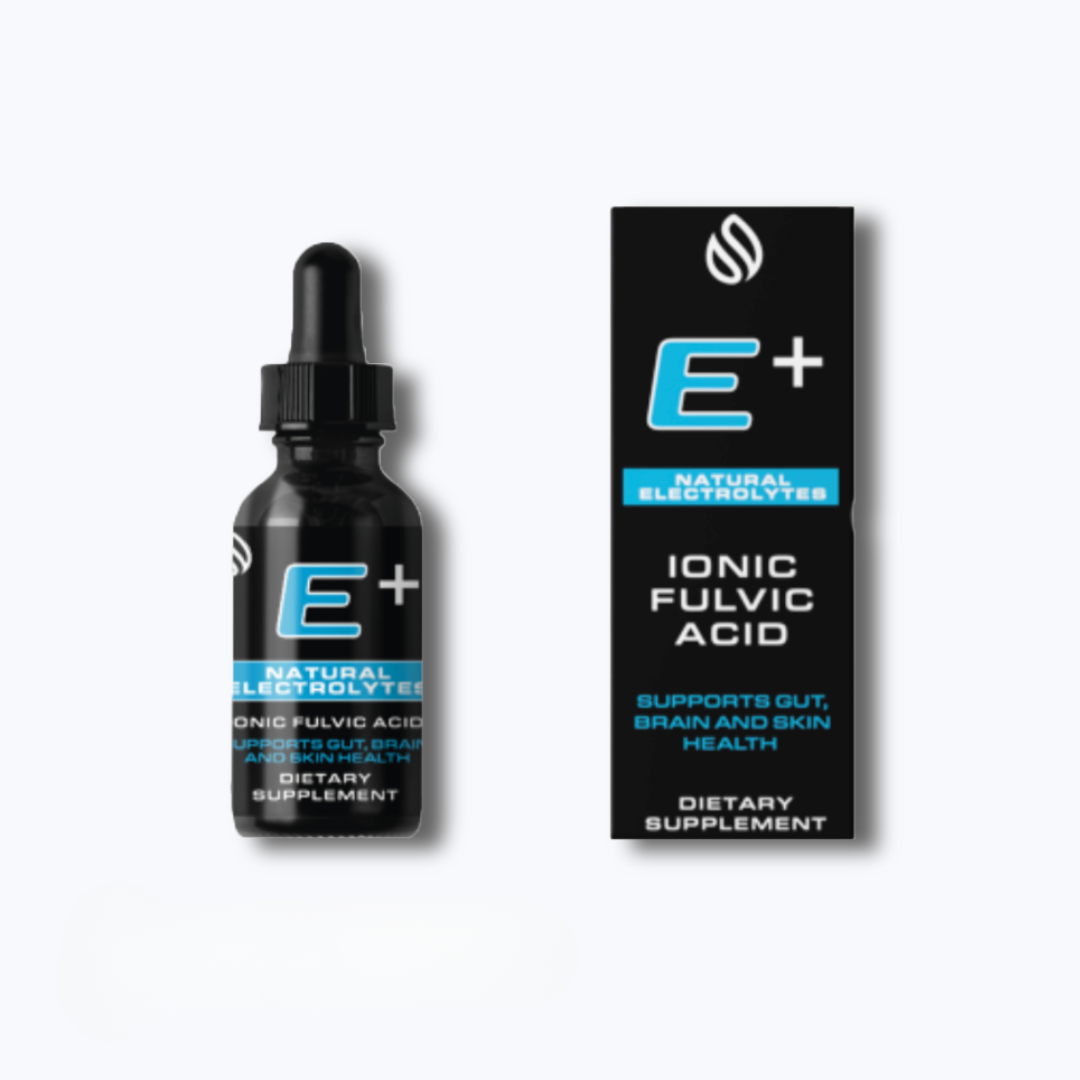
E+ Natural Electrolytes (Ionic Fulvic Acid)
Sale price£21.95
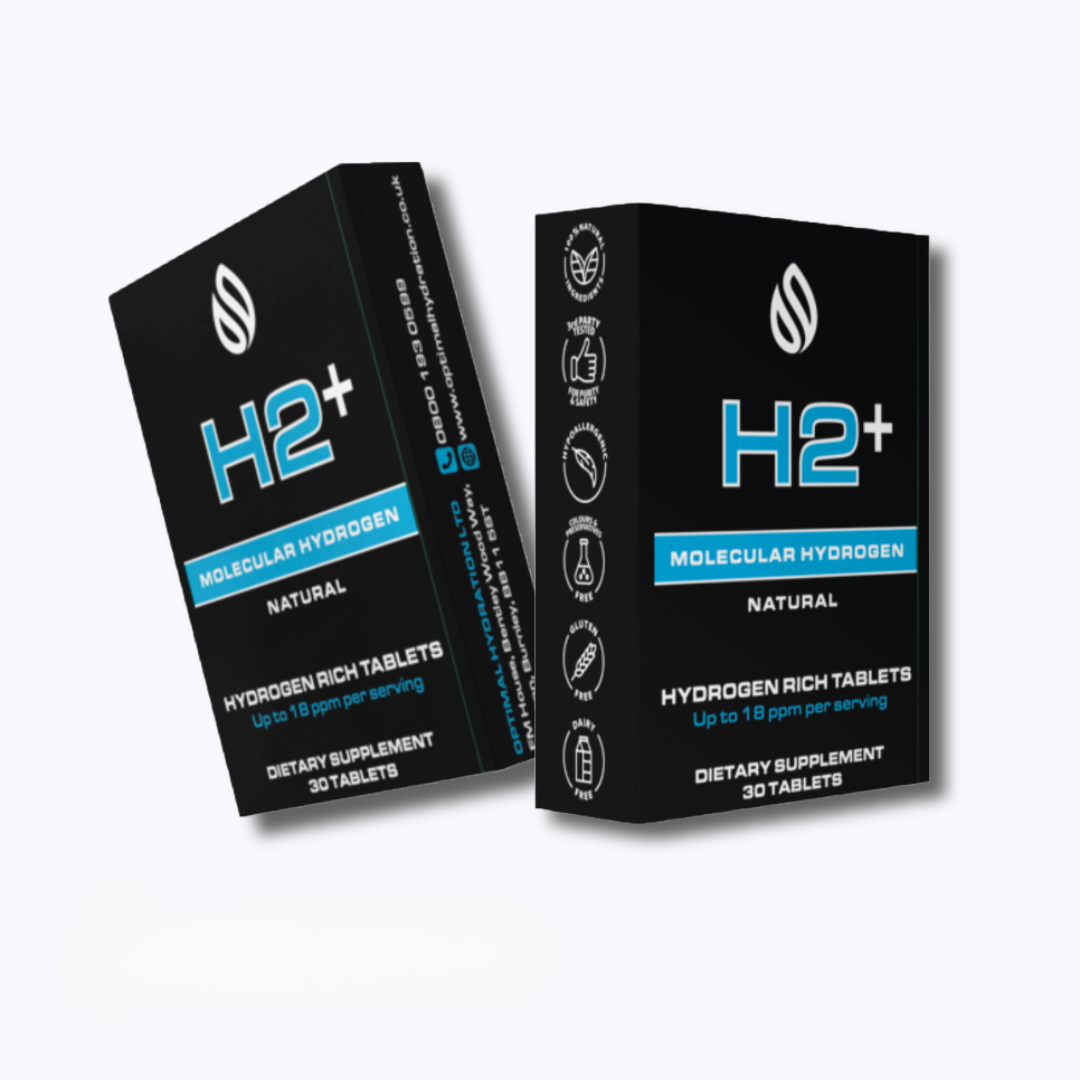

H2+ Molecular Hydrogen Tablets - Natural
Sale priceFrom £29.95

H2+ Molecular Hydrogen Tablets - Natural Raspberry
Sale priceFrom £29.95