

It’s 3 p.m., you have ticked off a good chunk of your to-do list but your brain is starting to feel like it’s tracking through mud. Your focus is slipping, energy dipping and all you can think about is having another coffee. For most people, caffeine seems like the solution but coffee treats the symptom and not the cause, which can often cause a worse crash later on.
The real drivers behind the 3 p.m. energy crash are far more fundamental:
- Your circadian rhythm
- Your hydration status
- Your blood sugar levels
- Your break times
What Is the 3 PM Energy Crash?
The “3 PM crash” is a natural dip in alertness that typically happens between 1 PM and 4 PM. It is that moment in the day where focus fades, motivation drops and even simple tasks start to feel harder than they should.
For some, it shows in low energy. For others, it’s brain fog, reduced productivity or a strong craving for sugar or caffeine. What’s important is understanding that this dip isn’t necessarily a sign that something is wrong. Even people who sleep well and eat healthy food will experience it. The big difference is how intense that crash feels and that’s largely influenced by daily habits.
Your Circadium Rhythm and the Afternoon Energy Dip
Your body runs on a built-in 24-hour clock known as your circadian rhythm. It regulated sleep, alertness, hormone levels and energy.
A typical energy pattern looks like this:
- Morning: Rising alertness and focus
- Late morning: Peak cognitive performance
- Early afternoon (1-3 PM): Natural dip in energy
- Late afternoon: Rebound in alertness
The afternoon dip is a normal phenomenon; it is biologically programmed into your body. You can’t eliminate the dip, but you can control how severe it feels.
Why the Afternoon Crash Feels So Intense
Blood Sugar Spikes and Crashes
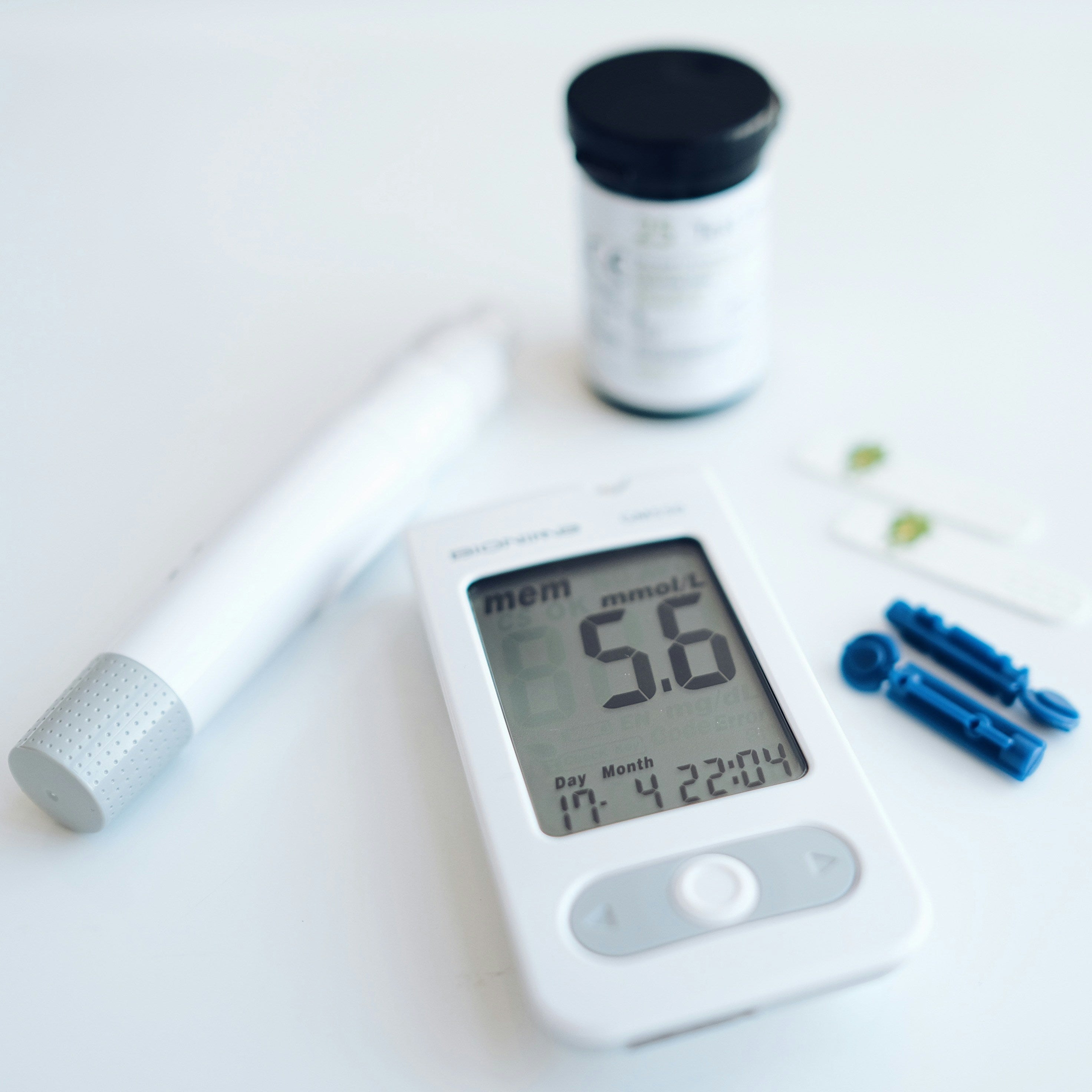
A lunch high in refined carbohydrates (white bread, pasta, sugary snacks) causes a rapid spike in blood sugar. Your body responds by releasing insulin, which often leads to a sharp drop in blood sugar shortly after.

Dehydration
Dehydration is one of the most overlooked causes of fatigue. By mid-afternoon, many people are already mildly dehydrated even after they’ve had a couple of glasses of water.
Long Periods of Sitting
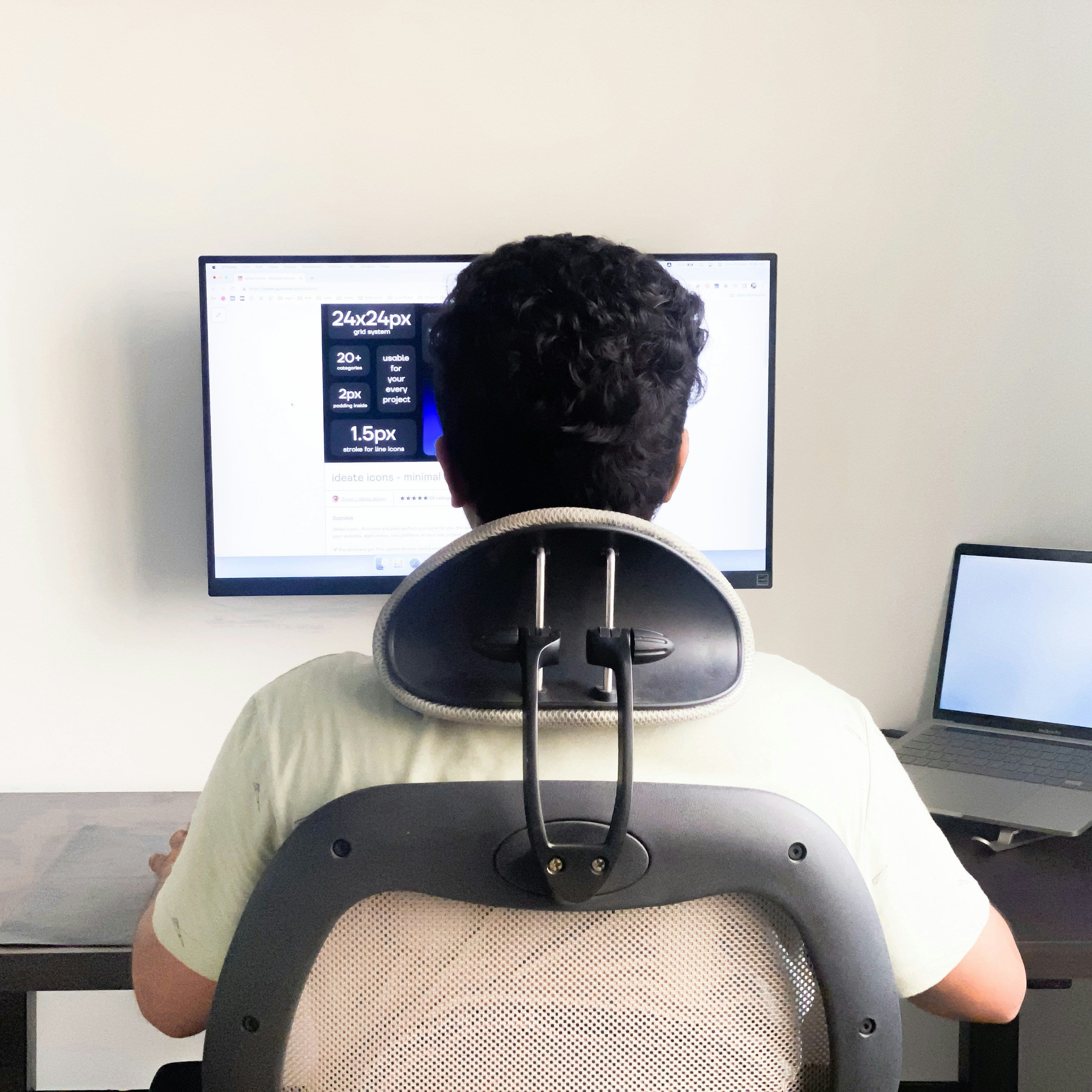
Sitting for hours reduces circulation and oxygen delivery throughout the body.
Less oxygen means less energy; this contributes to the heavy, sluggish feeling that many people experience mid-afternoon.

Mental Fatigue
Your brain uses a significant amount of energy. After hours of focused work, decision-making and screen time, cognitive fatigue builds up, especially without breaks.
The crash isn’t just physical, it’s neurological.

The Hydration-First Approach to All-Day Energy
If there’s one habit that consistently improves afternoon energy, it’s hydration, but it needs to be done properly.
Drink Consistently
Instead of large amounts all at once, aim for small, regular intakes throughout the day. This helps maintain things like stable blood volume, consistent energy delivery and better cognitive performance.
Support Cellular Energy
Hydration isn’t just about fluids; it’s about how effectively your cells use that water. Hydration can support oxygen transport, nutrient delivery and energy production at a cellular level.
Click Here to Learn More About Cellular EnergyIf you’re already drinking plenty of water but still hitting that 3 PM crash, the issue might not be how much you drink but how well your body is using it.
Upgrading your hydration strategy, particularly at the cellular level, can make a noticeable difference in sustained energy levels.
The Role of Molecular Hydration
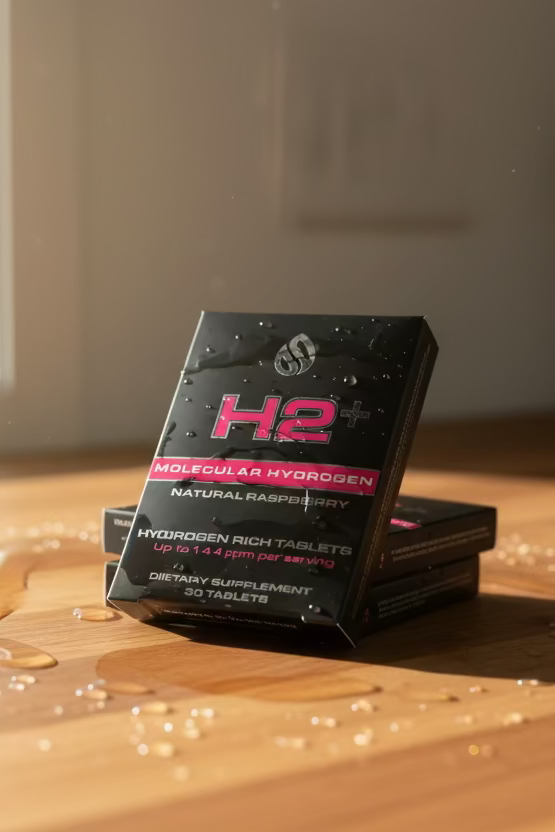
Molecular hydrogen is starting to get real attention in the world of performance, recovery and everyday energy. At a basic level, your body is constantly producing energy inside your cells. But that process also creates oxidative stress, which can build up over time and impact how efficiently your body functions.
Emerging research shows that it can:
- Support the body’s ability to manage oxidative stress
- Help maintain more efficient cellular energy production
- Support recovery, both physically and mentally
This can translate to feeling a bit more stable, a bit more clear-headed and less prone to that mid-afternoon drop-off. It is not a magic fix and shouldn’t replace the fundamentals like sleep, nutrition and hydration, but it can enhance a solid routine, especially if you’re looking to stay sharp and energised throughout the day.
How Do You Beat the 3 PM Energy Crash?
Avoiding the afternoon crash isn’t about doing one thing perfectly; it’s about getting a few key habits that work together. The biggest shift comes from being proactive rather than reactive.
- Start with hydration; most people wait until they’re thirsty, but by then, performance and focus have already dipped. Drinking water consistently throughout the day helps maintain energy and circulation, preventing the crash that often occurs.
- What you eat also plays a huge role. Meals that are high in sugar and refined carbohydrates can send your blood sugar on a rollercoaster, leading it to spike, followed by a sharp drop in energy just a few hours later.
- Movement is also overlooked; even a short walk or a few minutes of stretching during your workday can improve circulation and help you feel more alert almost instantly.
- Along with light exposure, this matters more than most people realise. Getting natural daylight, especially earlier in the day, helps regulate your internal clock and supports more stable energy levels in the afternoon.
It isn't about how much water you drink, but how effectively your body uses it. Supporting hydration at a cellular level can make a noticeable difference in sustained energy. Individually, these habits seem small, but together they make a noticeable difference to how you feel in the afternoon.
Hydration Tools That Support All-Day Energy
Once the fundamentals are in place, the right tools can make consistency much easier, especially on busy days.
Water Purification Systems
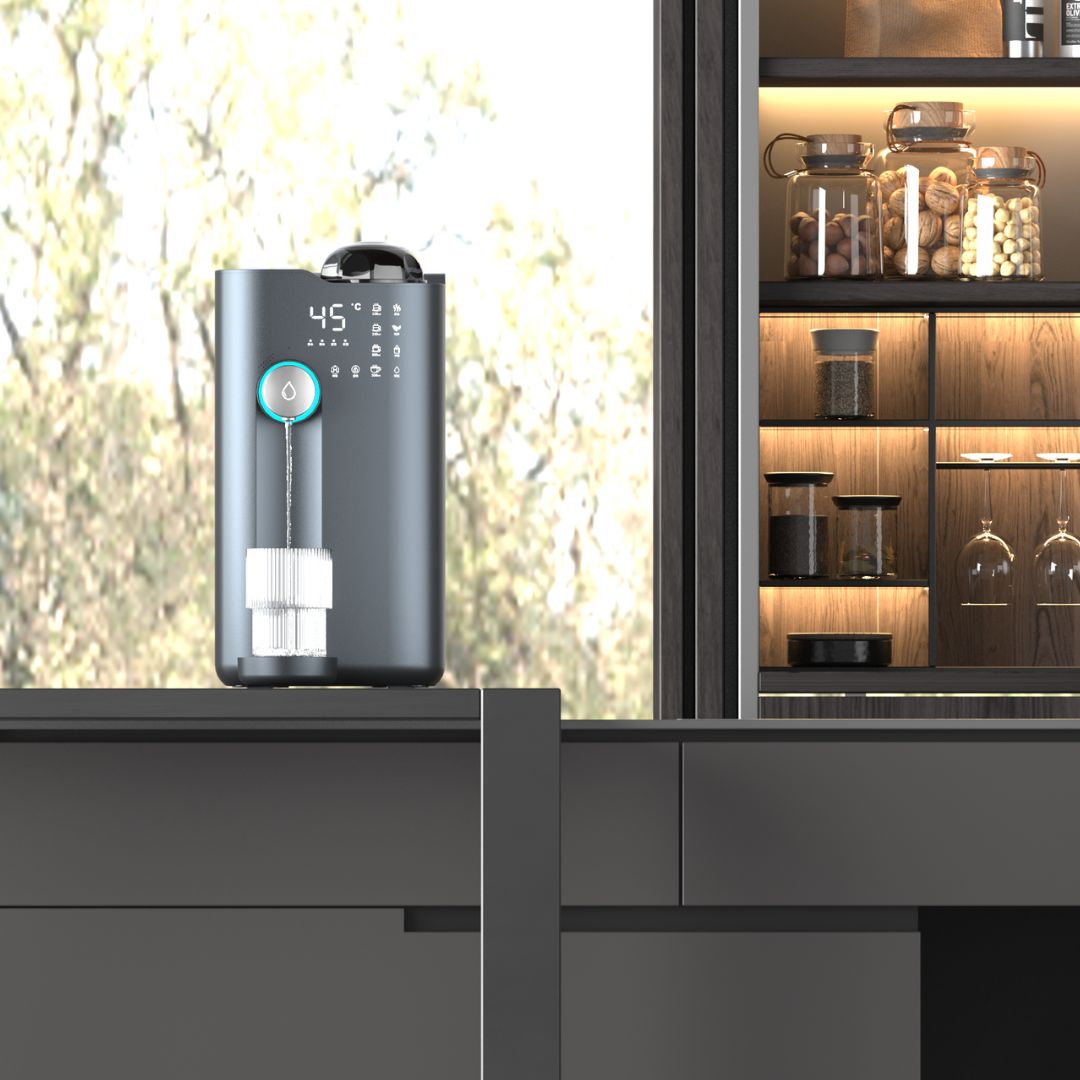
Wanting a more consitent, set-and-forget solution, a desktop system can take the effort out of staying hydrated. Having high-quality water available through the day, without needing to think about it, makes it far more likely you’ll stay on track, especially during long work sessions.
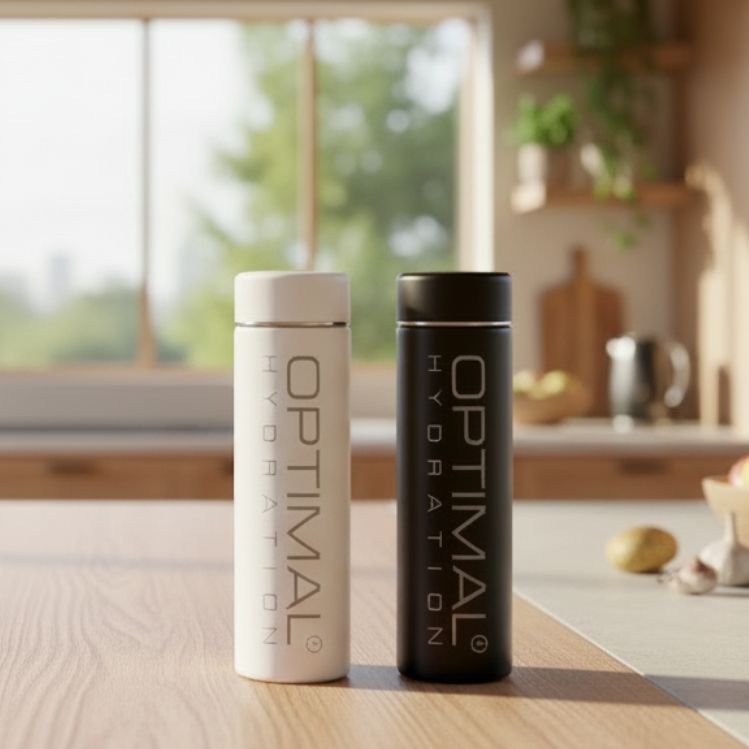
A Reusable Bottle
Consistency often comes down to convenience; a portable, reusable water bottle makes it easier to keep hydrated with you. If your day includes commuting, working on the move or even just sitting at a desk, a water bottle will be a visual reminder to keep yourself hydrated.

Molecular Hydrogen Tablets
If you’re already drinking water regularly but still feel flat in the afternoon, this is a simple upgrade. It supports your body from a deeper, cellular level and is quick, convenient and easy to build into your routine.
Fix the Cause, Not the Crash
The 3 PM energy crash isn’t a sign that you’re lazy, unmotivated or doing something wrong; it’s just biology. Your circadian rhythm creates a natural dip in the afternoon. That part is fixed; what can be changed is how strongly it hits you.
Which comes down to your daily inputs, when you support your body with stable blood sugar, regular movement and consistent, effective hydration. You will naturally stop chasing quick fixes and start building steady and reliable energy instead.
The final goal is not temporary boosts but energy that actually lasts.
Ready for Steady, All-Day Energy?
If you’re tired of relying on caffeine just to get through the afternoon, it might be time to take a different approach.
Start with your hydration. Build consistency. Improve quality.
Because when your body is properly supported, energy stops being something you have to chase and becomes something you can rely on.
Explore Optimal Hydration tools that fit into your routine and make staying energised feel effortless.
FAQ
Why do I feel tired after my lunch break?
For most people, it’s a combination of three things: your natural circadian rhythm, your hydration level, and how stable your blood sugar has been throughout the day. When all three line up the wrong way, the dip feels heavier.
Is it normal to feel sleepy in the afternoon?
Yes! It is completely normal. Your body is naturally programmed to dip in energy in the early afternoon. The problem isn’t the dip itself, but how much it’s amplified by things like poor hydration, heavy meals or long periods of inactivity.
What is the fastest way to boost energy without caffeine?
If you need a quick rest, try:
- Drinking a glass of water
- Move your body, even if it’s a short walk around the office
- Get some natural light
These three together can shift how you feel within minutes.