
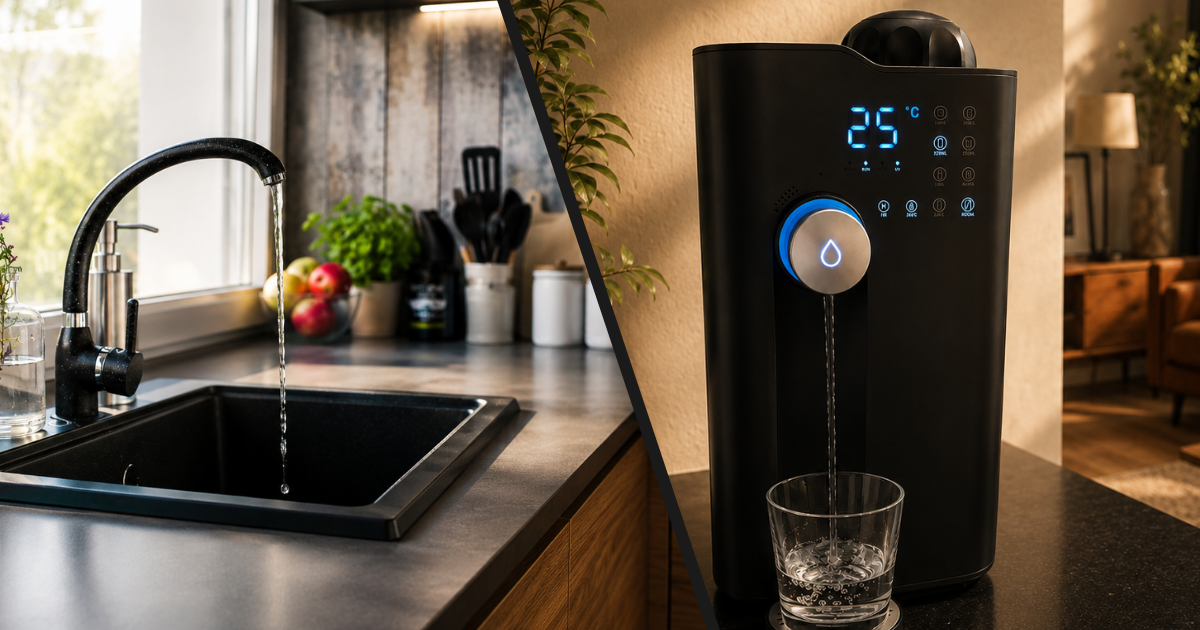
A UK tap water guide to contaminants, filtration and why a purification system could be the next step in your hydration routine.
Turn on the kitchen tap, and in most UK homes, you can fill a glass without a second thought. UK mains water is highly regulated and routinely tested, so is there actually any reason to filter it?
The short answer is: you don’t necessarily need to filter UK tap water to make it safe to drink, but that doesn’t mean purification has no value.
For people who want greater control over what goes into their drinking water, a modern purification system can offer an additional layer of filtration, reducing a wider range of dissolved impurities and providing a consistent, convenient source of purified water at home.
And as awareness grows around contaminants such as lead, PFAS and other trace substances, the question is shifting from “is tap water safe?” to:
“Is safe water the same thing as the purest water I can choose to drink?”
Is UK Tap Water Safe To Drink?
For most people on a regulated mains supply, yes.
The UK's drinking water is generally considered good quality and safe to drink, thanks to strict standard and regular monitoring.
But “safe to drink” and “as pure as possible” are two different things.
For those who want greater control over what is in their drinking water, a home purification system can provide an additional layer of filtration, helping to reduce certain impurities and giving you a more refined approach to everyday hydration.
What Contaminants Can Be Found in UK Tap Water?
“Contaminants” can sound alarming, but the word simply refers to substances that may be present in water. Their presence does not automatically mean the water is dangerous.
UK drinking-water monitoring covers a broad range of microbial, chemical and physical parameters.
These include substances such as:
- Lead
- Nitrate and nitrite
- Pesticides
- Nickel
- Iron and manganese
- Chlorine and other treatment-related compounds
- PFAS
- Certain organic compounds
- Microbiological indicators
Water can leave the treatment world in excellent condition, but the journey doesn't end there. Pipes, fittings and plumbing inside a property can influence the water that ultimately reaches your glass.
The drinking water inspectorate recognises that the integrity of disruption systems can affect water quality at the point of consumption, even where effective treatment has already taken place.
Should I Filter My Tap Water?
For many households, filtering tap water is a choice rather than a necessity.
You might choose to filter your water if you:
- Prefer the taste of purified water
- Want to reduce certain dissolved contaminants
- Live in an older property with potentially older plumbing
- Have a specific conversation about your local water supply
- Want greater control over the water you drink every day
- Simply prefer the idea of drinking highly purified water
There is also a lifestyle element.
We think carefully about the food we buy, the air we breathe, the skincare products we use and the ingredients in our supplements. Water is consumed every day, often in significant quantities, so it makes sense that some people want to take a more proactive approach to what goes into their glass.
Reverse Osmosis vs Alkaline Filter: What’s The Difference?
Not all water filters do the same thing.
A basic activated-carbon filter, for example, can be useful for improving taste and reducing certain substances. But reverse osmosis uses a semi-permeable membrane ot provide much broader contaminant reduction.
Point of use RO systems can potentially reduce contaminants including lead, PFAS, arsenic, VOCs, bacteria and viruses, depending on the system and its specifications.
Reverse osmosis is also recognised as one of the effective treatment technologies for PFAS, alongside technologies such as granular activated carbon and ion exchange.
So, Is Reverse Osmosis Better?
If your priority is broad-spectrum purification, RO has a significant advantage over a simple taste and odour filter.
However, purification isn’t simply about removing everything. A good system needs to be designed, maintained and used correctly.
And that leads us to the next question: what happens to the water after purification?
Why Choose a Water Purification System?
A jug filter can be convenient. But if you’re serious about the water you drink every day, a dedicated purification system can make the process considerably easier.
Once you have decided that you want to optimise your hydration, the next question is: which type of purification system suits your lifestyle?
Well, there are two options designed around different home setups.
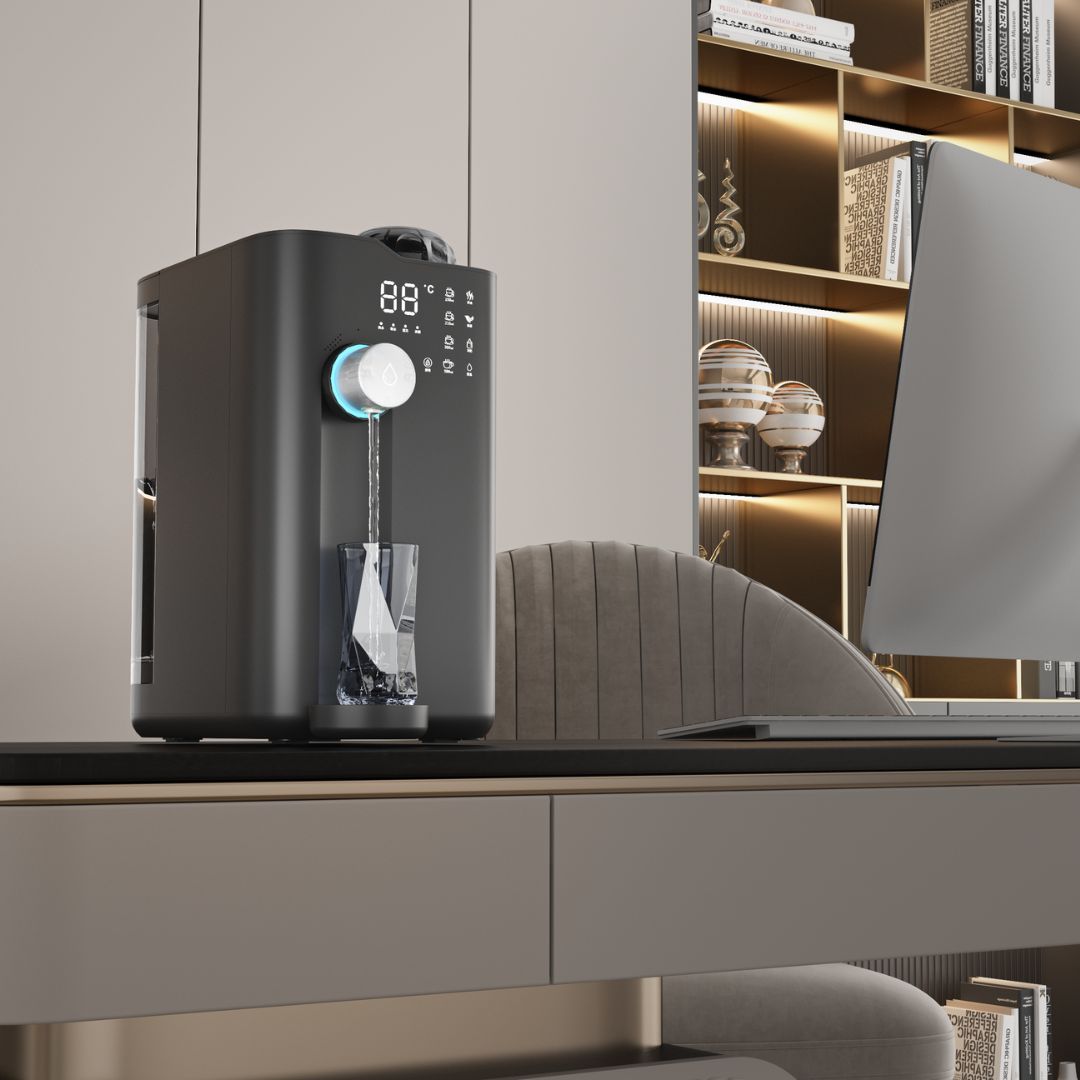
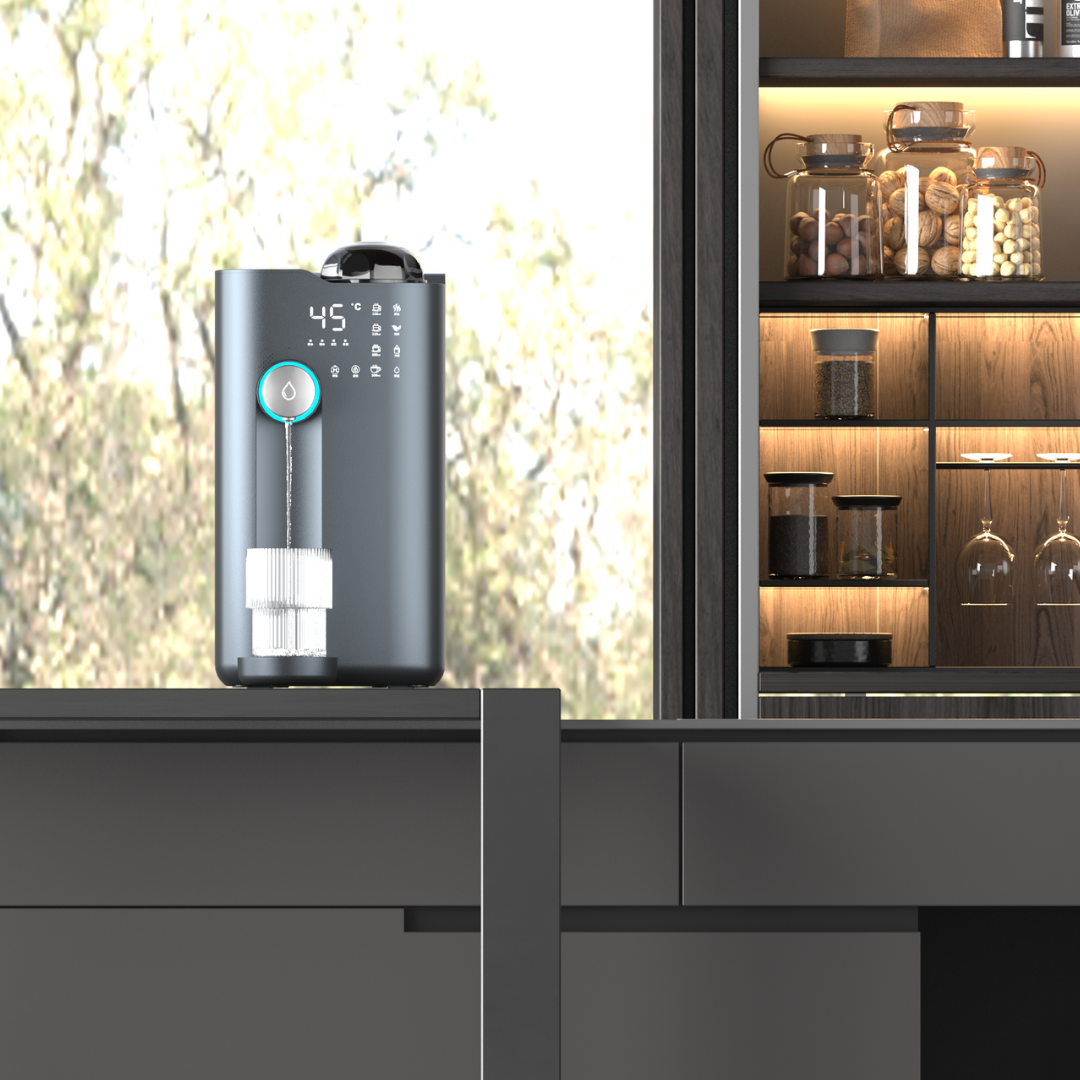
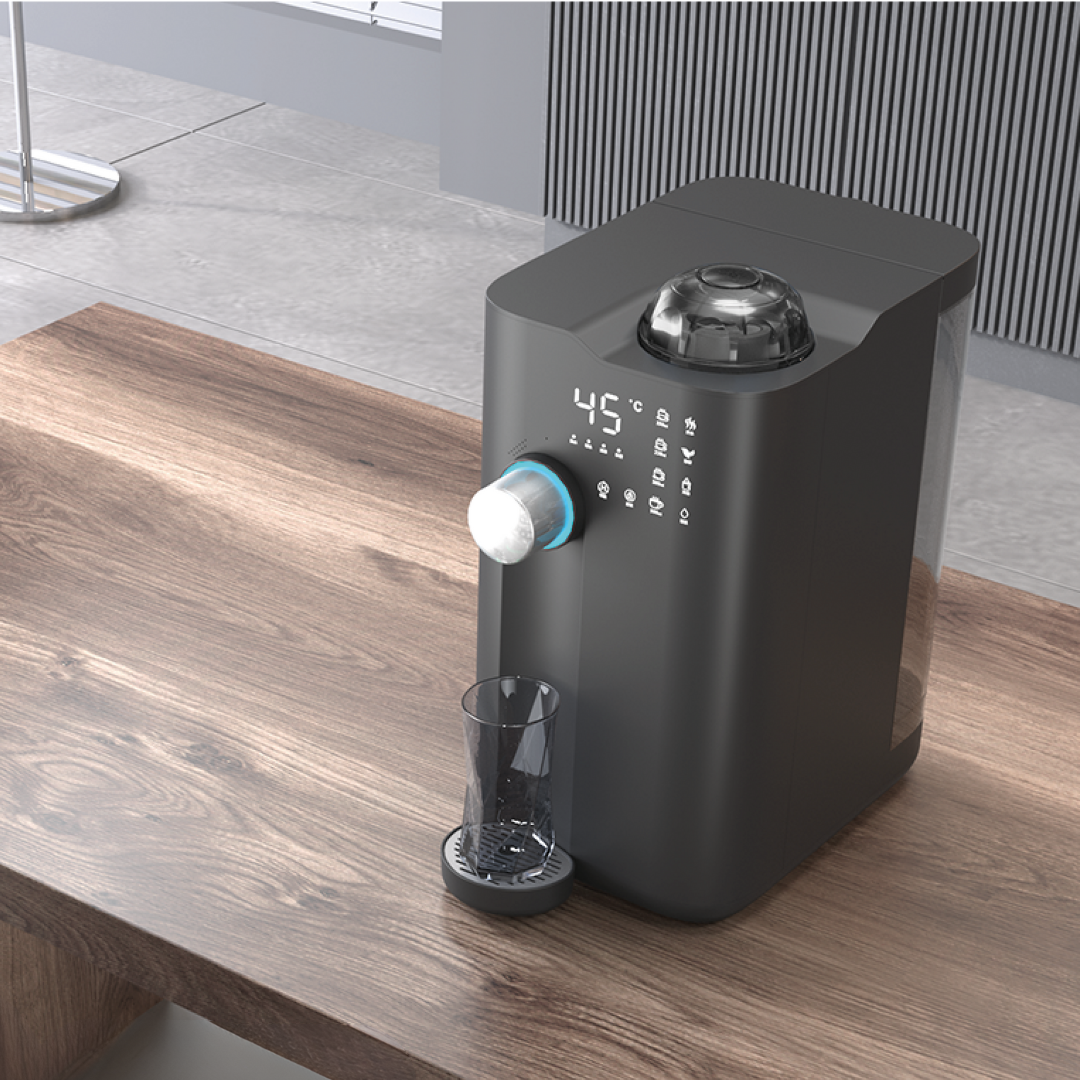
OH-1 Desktop: Purification Without The Installation
The OH-1 Desktop Plug & Play Water Purification System is designed for convenience. It used six-stage reverse osmosis alongside UV sterilisation and hydrogen-rich water, without requiring permanent installation. It also offers four temperature and four volume settings, making it easy to use throughout the day.
This system is a practical choice for renters, home offices or anyone who wants the benefits of a dedicated purification system without committing to a under counter installation.
Explore the OH-1 Desktop Plug & Play System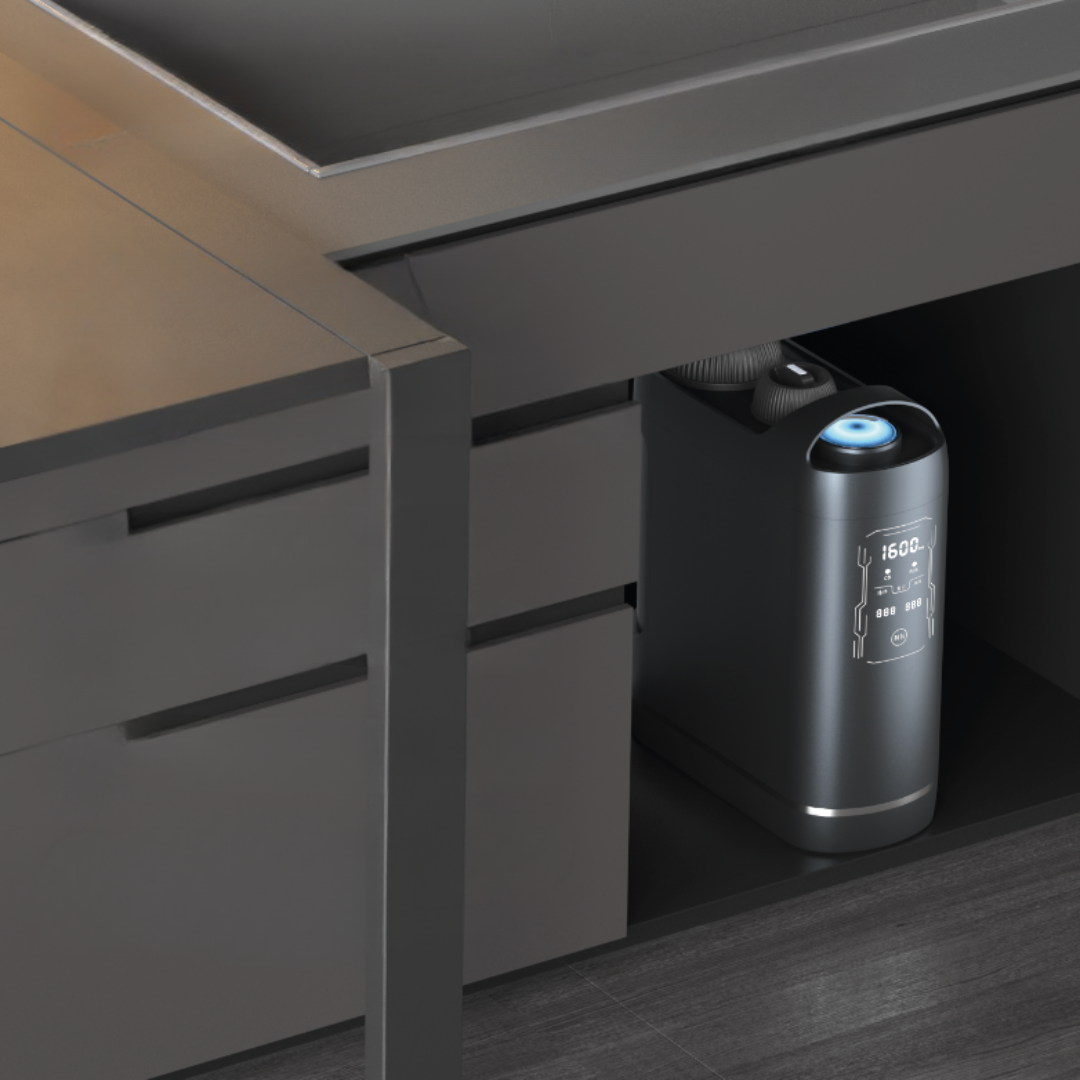
OH-2 Under Counter: An Integrated Solution
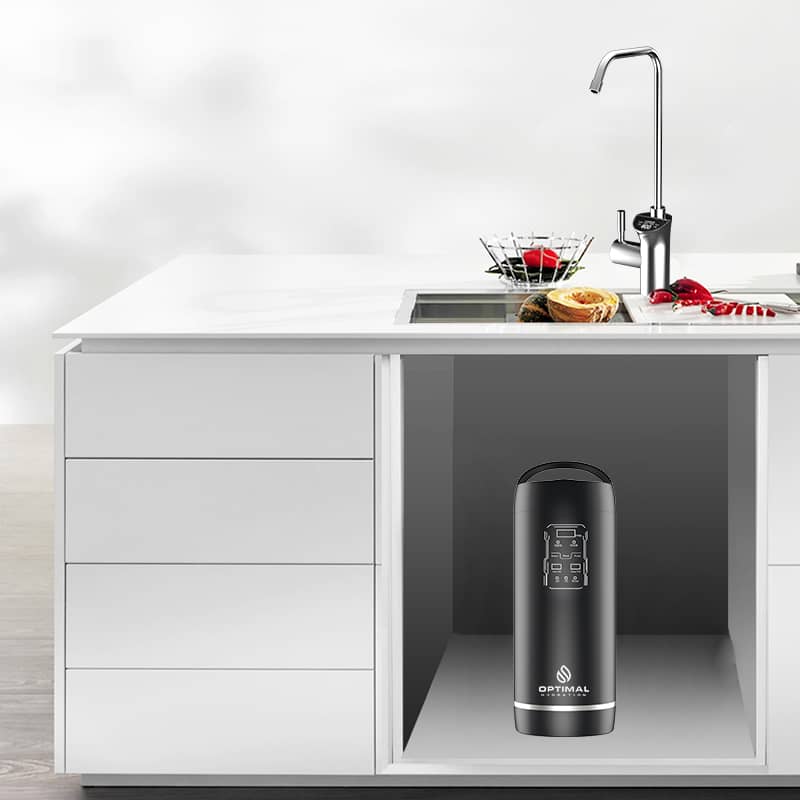
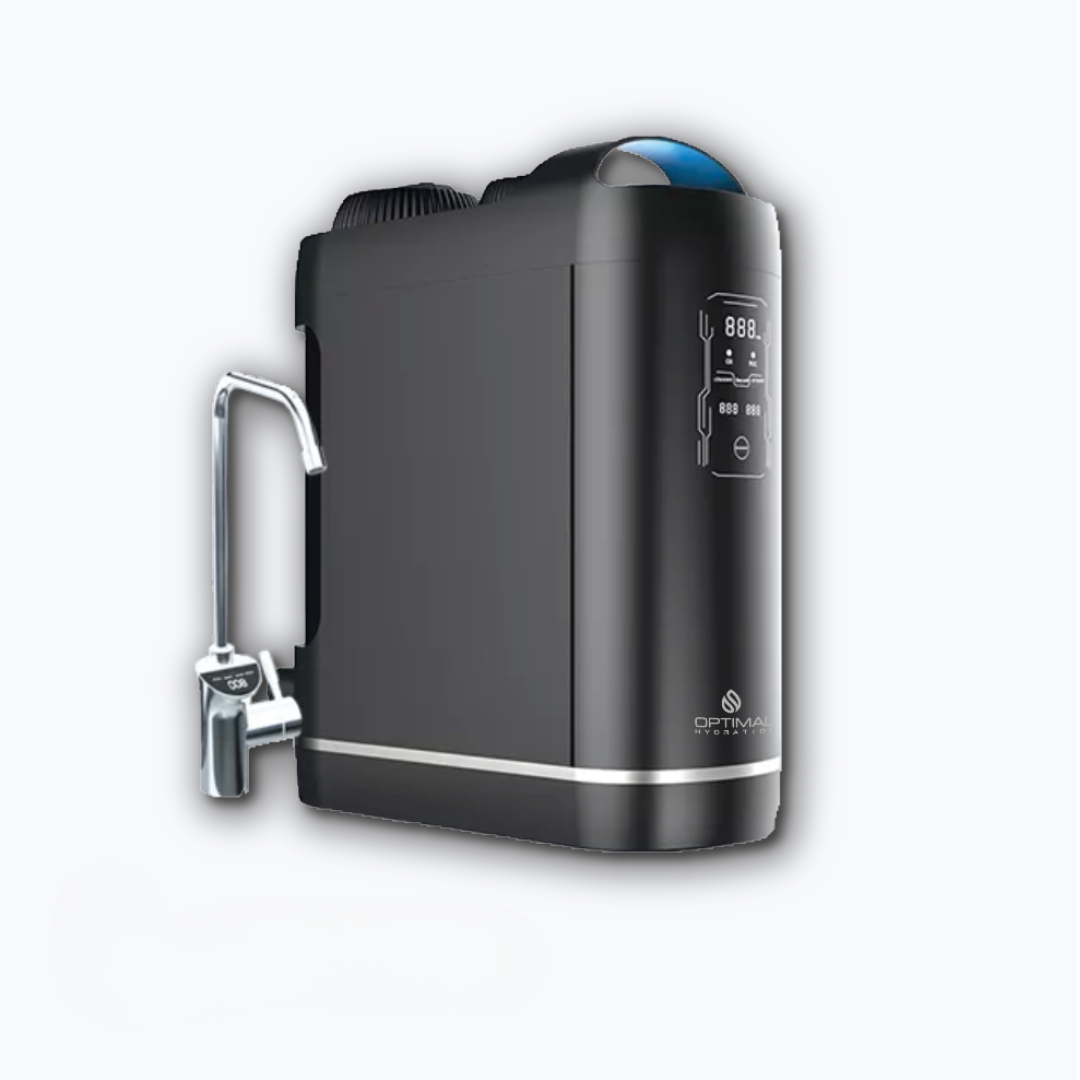
For homeowners or anyone looking for a more permanent kitchen setup, the OH-2 Under-Counter Water Purification System takes a different approach.
It sits beneath the worktop and combines six-stage reverse osmosis, UV sterilisation and hydrogen-rich water with an intelligent dispenser tap. The result is a more integrated solution that keeps your kitchen worktop clear while giving you purified water directly from the dedicated tap.
It’s a good option if you’re looking to make purified water a seamless part of your everyday routine.
Explore the OH-2 Under-Counter SystemWhich One Is Right For You?
| OH-1 Desktop | OH-2 Under-Counter | |
|---|---|---|
| Installation | No installation required | Permanent under-counter installation |
| Purification | 6-stage reverse osmosis | 6-stage reverse osmosis |
| UV Sterilisation | ✓ | ✓ |
| Hydrogen-rich water | ✓ | ✓ |
| Best for | Home offices, renters, and upgrading from a simple filter jug. | Kitchens with minimal counter space, families who want to prioritise wellness and people looking for a long-term solution. |
| Footprint | Sits on the worktop. | Hidden beneath the worktop. |
| Temperature Control | ✓ | ✓ |
| Volume Presets | ✓ | – |
Optimise Your Hydration
Whichever route you choose, the principle is the same: UK tap water can be fine, while home purification gives you greater control over the water you drink every day.
It’s less about being afraid of tap water and more about deciding whether you want to take your hydration one step further.
Ready to try it?
Explore our full range of hydrogen wellness solutions and feel the difference for yourself.
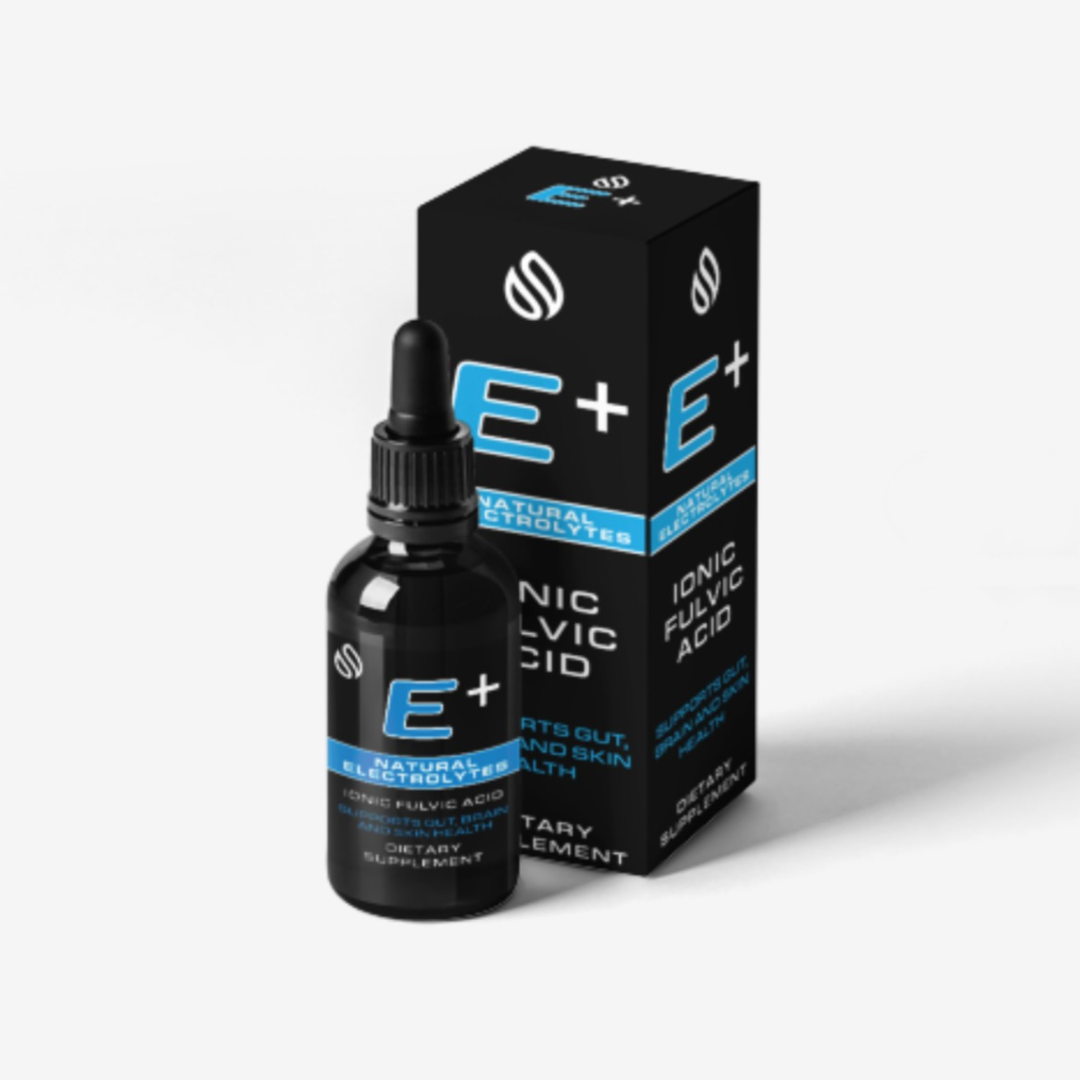
E+ Natural Electrolytes (Ionic Fulvic Acid)
Sale price£21.95
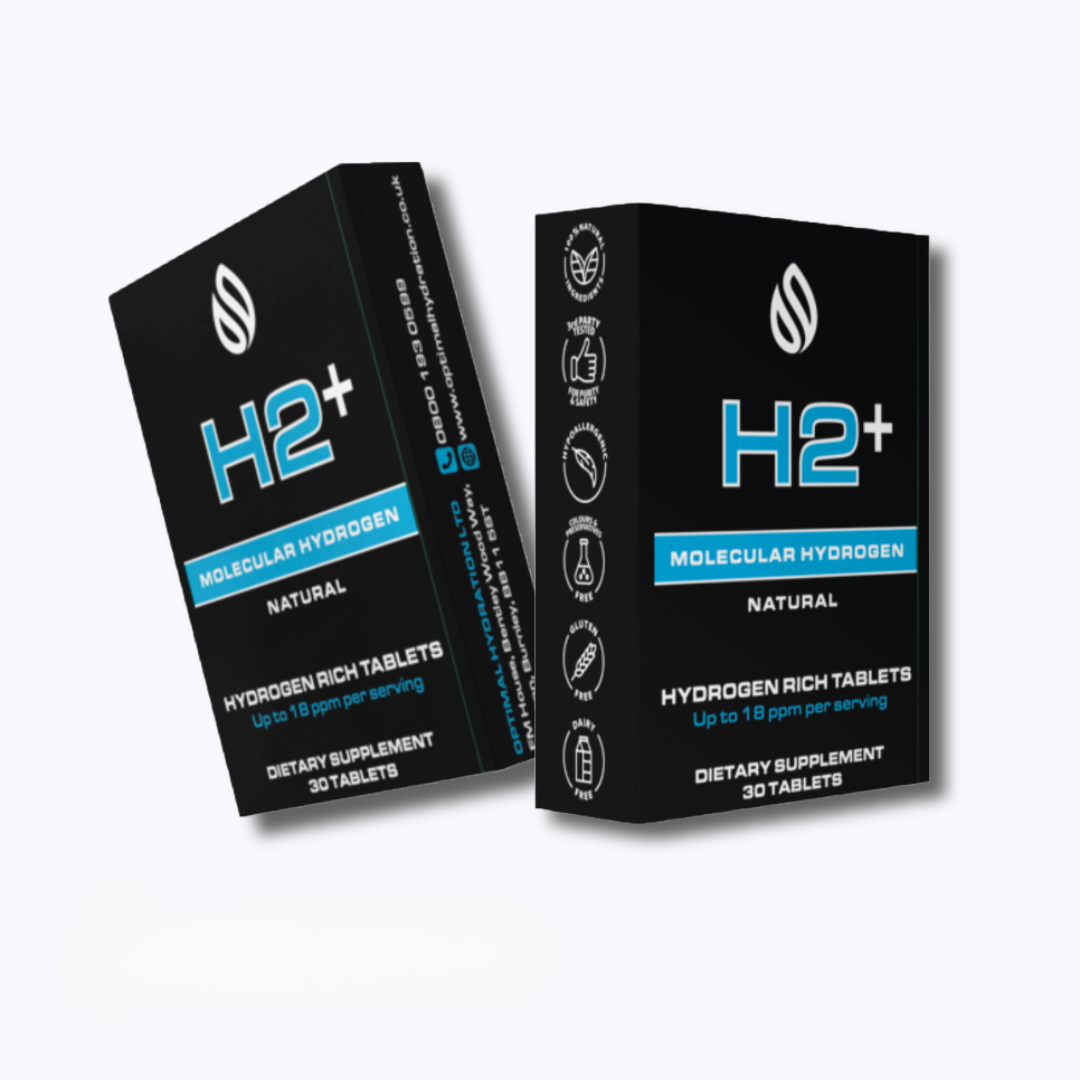

H2+ Molecular Hydrogen Tablets - Natural
Sale priceFrom £29.95

H2+ Molecular Hydrogen Tablets - Natural Raspberry
Sale priceFrom £29.95