Hydration advice is everywhere. Drink eight glasses a day. Coffee doesn't count. If you're thirsty, you're already dehydrated. But how much of this advice is actually true?
Modern hydration is more nuanced than just drinking as much water as possible. Your fluid needs can change depending on your activity levels, environment, diet and how much you sweat. Hydration can also heavily influence how you feel throughout your day, from physical performance to concentration.
Here’s the place to learn whether the myths are fact or fake:
01
Thirst is one of the body's natural ways of signalling that you need fluids, so it is an important cue. However, you cannot stay consistently and adequately hydrated by using thirst as a cue alone.
Your fluid requirements can increase when you're exercising, spending time in hot weather, travelling or sweating more than usual. During busy days, it's also easy to become distracted and simply forget to drink.
Make drinking water a habit by keeping it close by and making it a part of your daily routine. Try having a bottle with you at all times, and drink water with your meals instead of sugary drinks. You can also keep water at your workplace or have some with you when you're exercising. This way, you'll stay hydrated and likely feel better overall, which can make a big difference in your daily life. Plus, it's a simple way to take care of yourself and boost your energy levels. By drinking water regularly, you'll be able to stay focused and avoid that tired, sluggish feeling that can come from not having enough water.
So, make water your go-to drink and see how it can improve your daily routine.
02
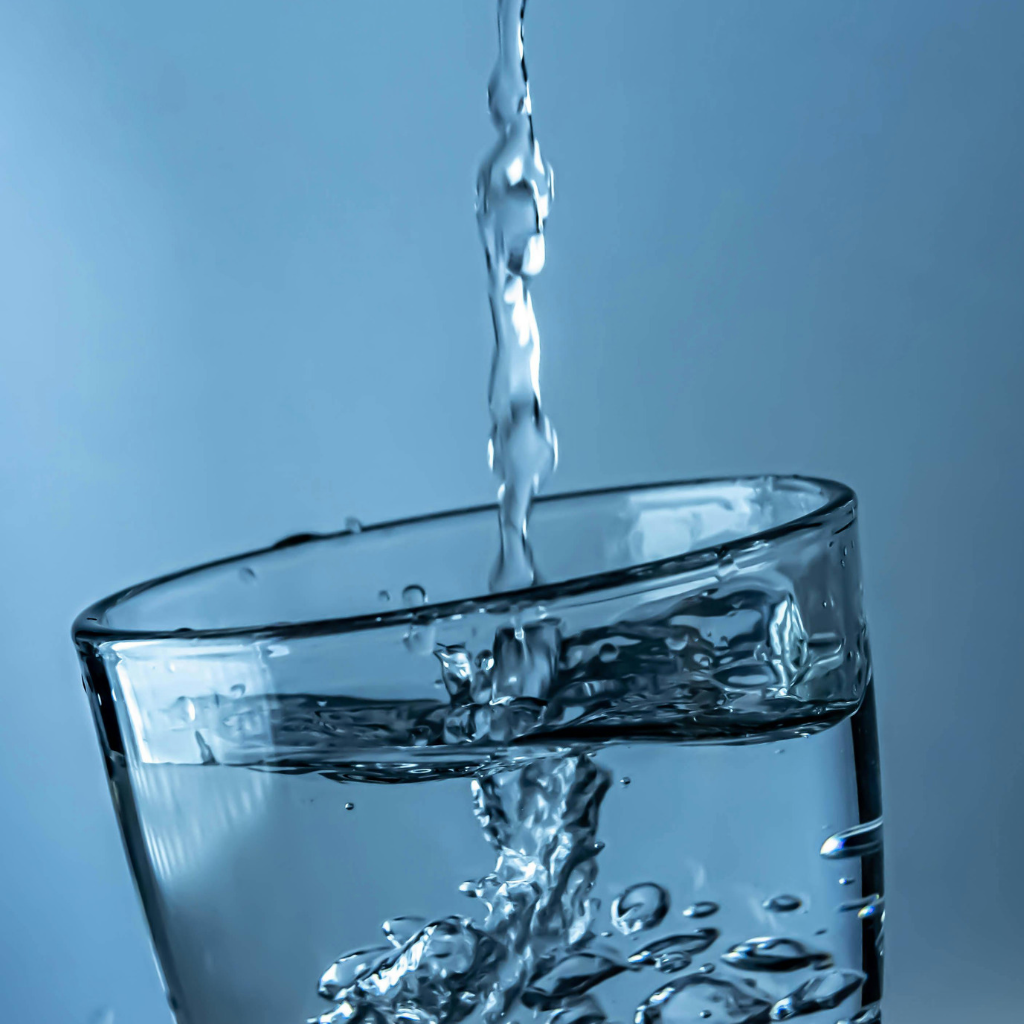
The idea that everyone needs exactly eight glasses of water every day is one of the biggest myths within the wellness community. While it provides a simple reminder to drink, it isn't a universal solution for all hydration problems.
The amount of fluid your body needs varies depending on several things: your body size, how active you are, what you eat, and where you live. It also matters how much you sweat. And here's the thing: you don't just get fluids from drinking water. You also get them from foods that are high in water content. So, just tracking how much water you drink doesn't give you a complete picture of your daily fluid intake.
Instead of becoming fixated on a single number, pay attention to your body's signals or keep reminders nearby to help you drink consistently throughout your day. The water needs of someone spending their day inside chilling during colder weather will be drastically different from those of someone spending their day running errands outside in blazing heat.
03
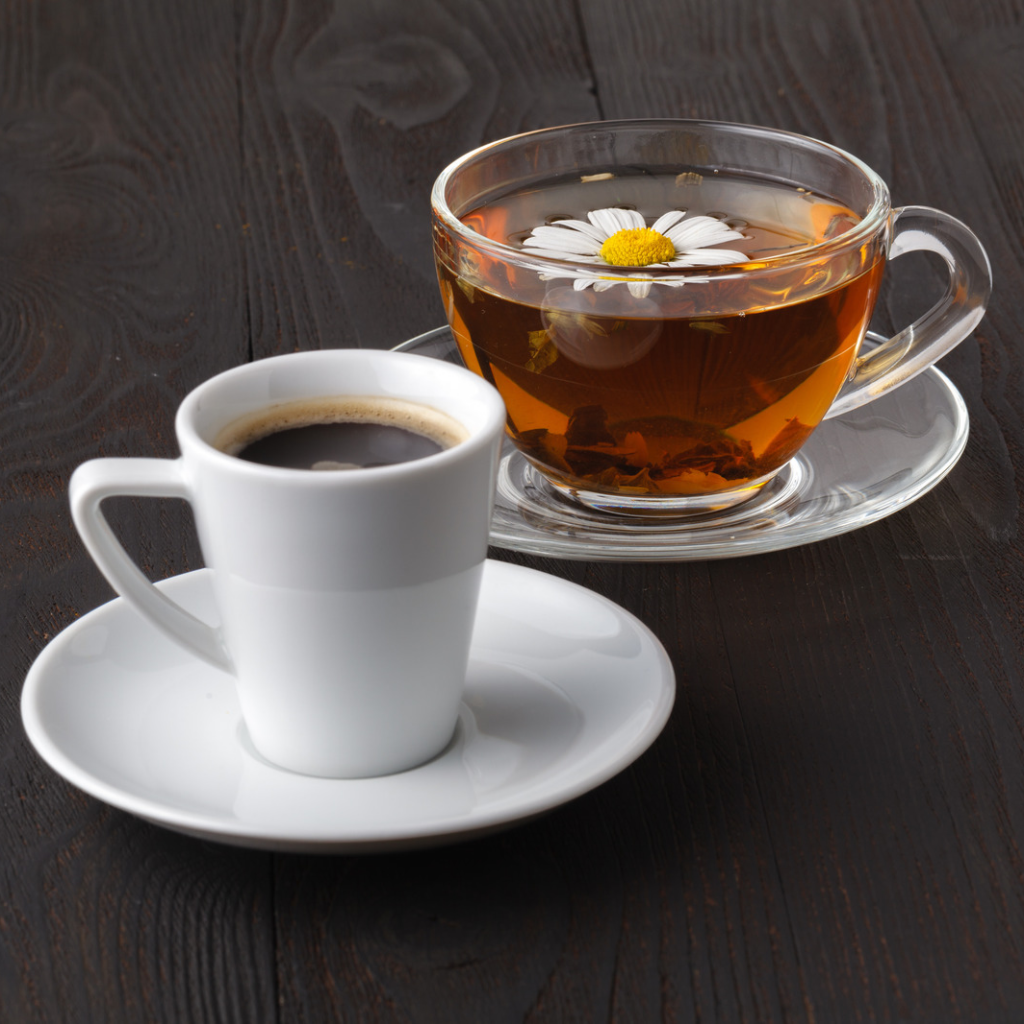
Drinks like coffee and tea do have some fluid in them, but they shouldn't be your go-to drinks for staying hydrated.
If you're trying to build healthier hydration habits, water is still the best foundation for your daily fluid intake. Coffee, tea and other beverages may be enjoyed as part of a balanced lifestyle, but they shouldn't replace regularly drinking water throughout the day.
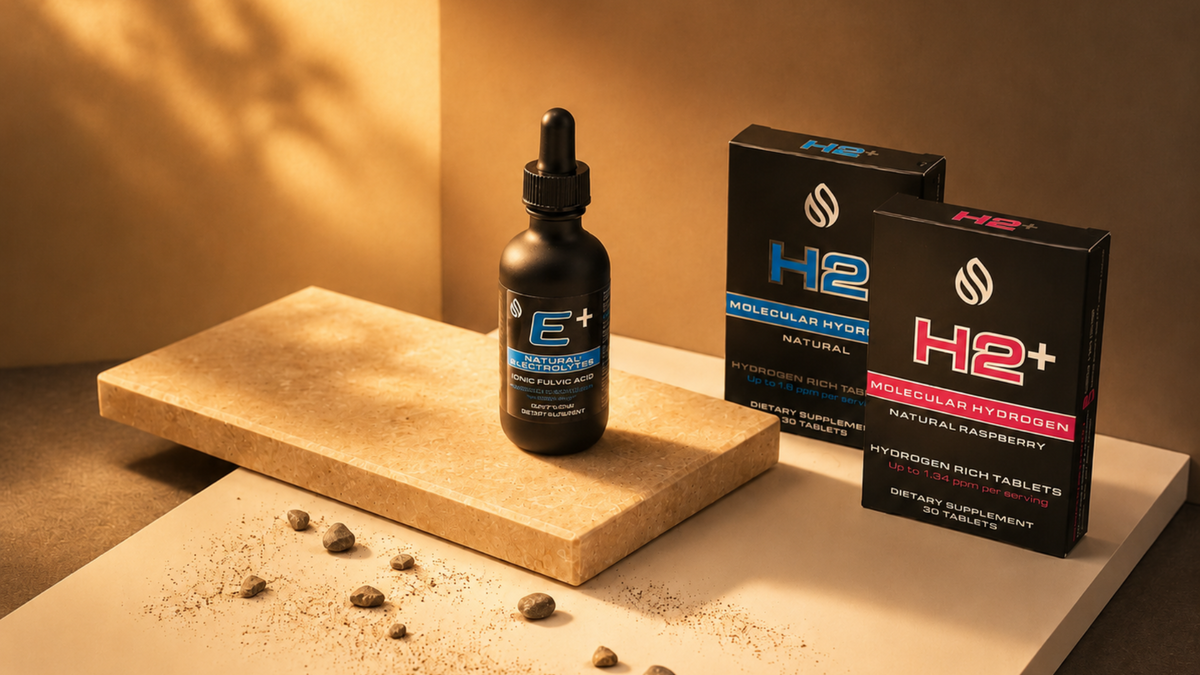
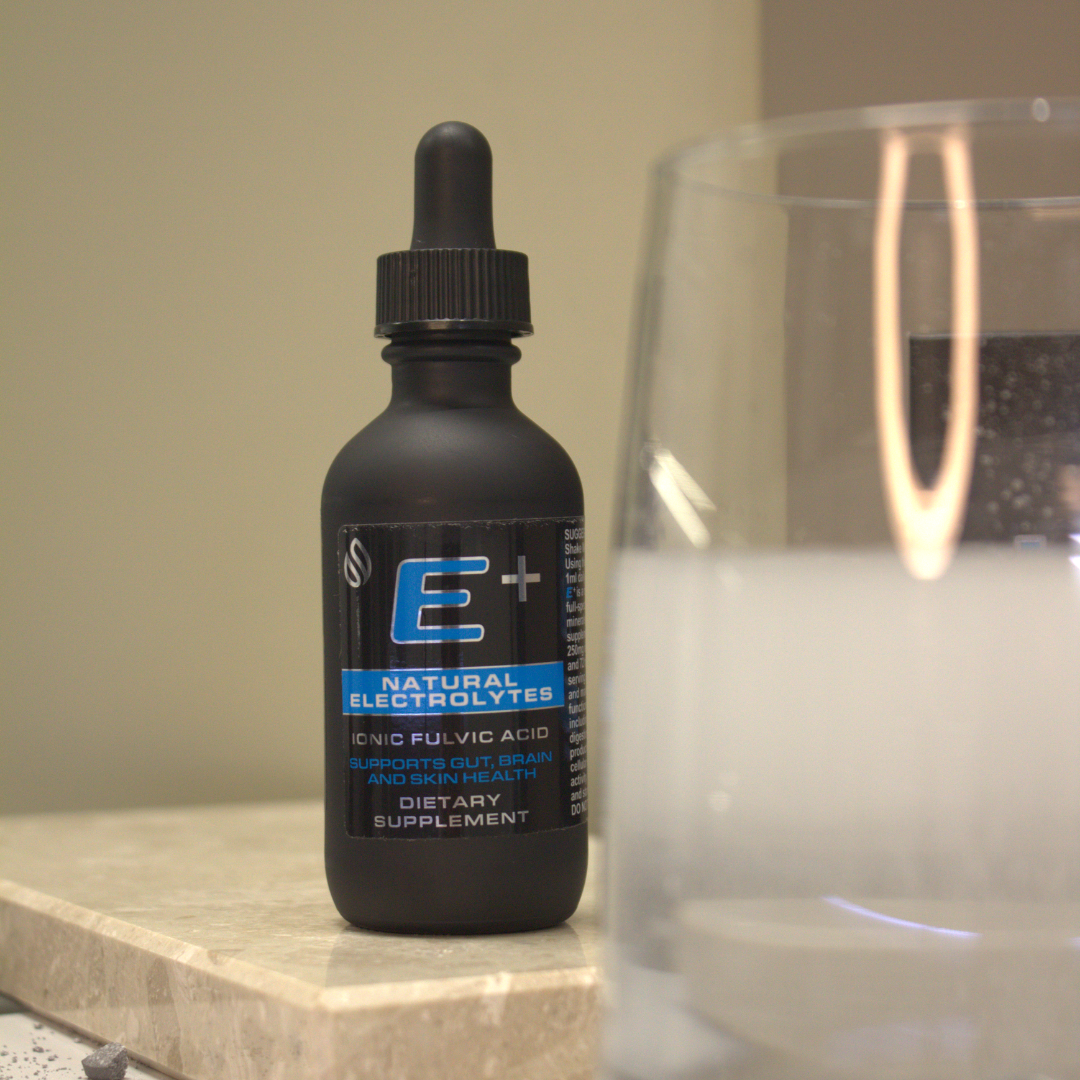
If you’re looking for a refreshing alternative to highly caffeinated drinks during the day, E+ Natural Electrolytes can be a great addition to your hydration routine. Rather than relying on a strong caffeine hit, E+ provides electrolytes to support hydration, making it a useful option when you want to stay refreshed and hydrated without reaching for another caffeinated drink.

04
When it comes to hydration, more isn't necessarily better.
Drinking enough fluid is essential, but the goal isn't to consume as much water as possible. Your body maintains a carefully regulated balance of fluids and electrolytes, and drinking excessive amounts of water in a short period can be harmful.
This is also where it's important to understand that not every hydration product serves the same purpose. Molecular Hydrogen Tablets can be added to water as part of a modern hydration routine, offering an alternative way to enhance your everyday water intake without simply encouraging you to drink more.
The important point is context. The foundation of good hydration is still drinking an appropriate amount of water consistently throughout the day. Products such as Molecular Hydrogen Tablets should complement those habits, rather than replace them.
05
Hydration isn't just an issue for athletes.
When you don't consume enough fluid, you may experience symptoms such as thirst, tiredness, headaches and difficulty concentrating. That matters whether you're running a race, working at a desk, studying for an exam or simply trying to get through a busy day.
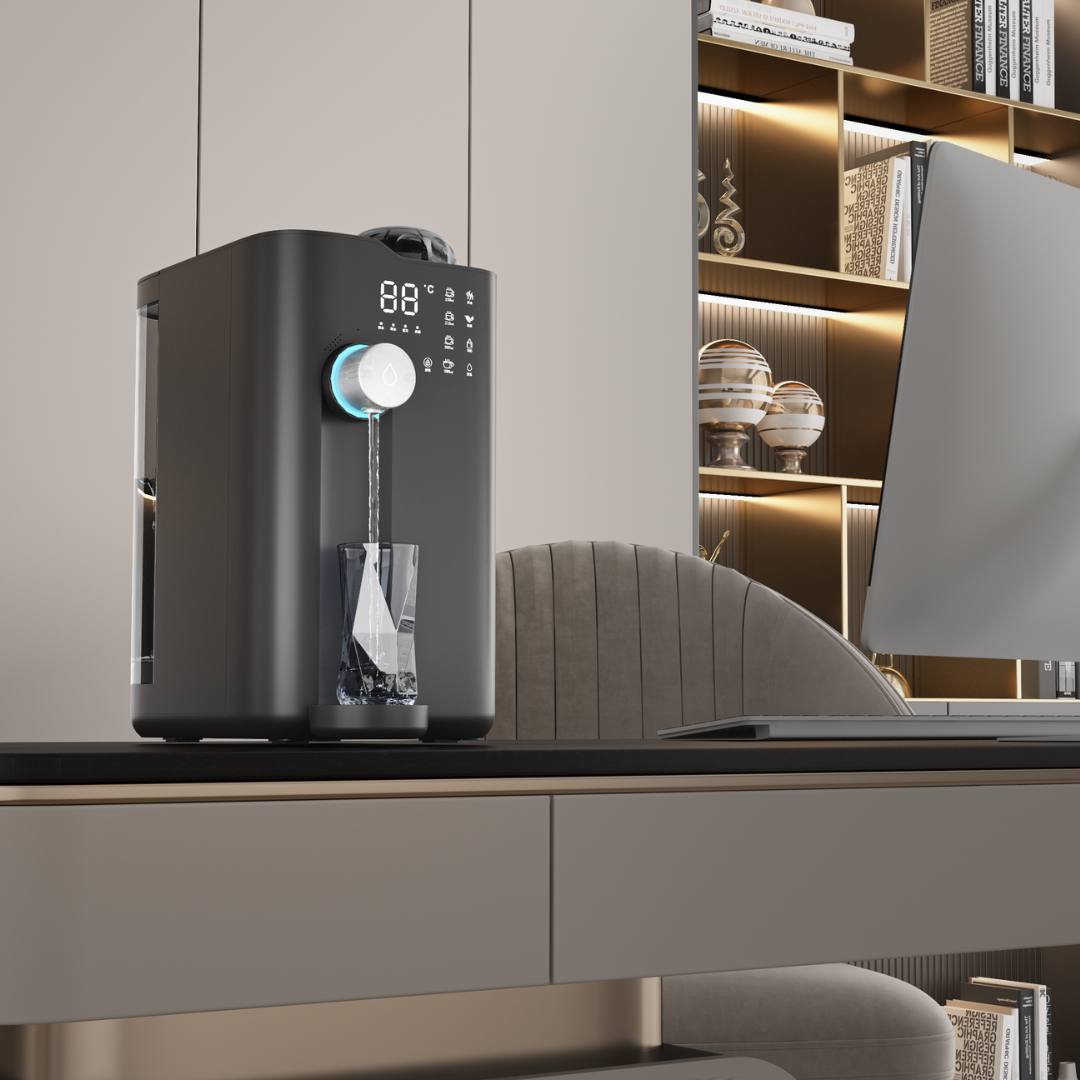
Your brain and body rely on adequate fluid levels to function normally, so maintaining hydration is an important part of looking after your everyday wellbeing. Even if you're working from home in a comfortable, low-stress environment, keeping your fluid intake consistent is still important. Your hydration needs don't disappear simply because you're not training for an Ironman.
Whether you're spending the day at your desk or pushing your physical limits, staying hydrated is a simple habit that can support how you feel and function throughout the day.
06
One day of drinking less water than usual doesn't automatically mean you've caused lasting harm. However, consistently neglecting hydration is a different story.
Common signs of dehydration can include thirst, a dry mouth, darker urine, tiredness and headaches. These can be reminders that your fluid intake may need attention.
The problem with poor hydration habits is that they can become normal. You might get through a busy morning without drinking, rely heavily on coffee, forget your water bottle and only realise at the end of the day that you've barely had anything to drink.
Building better habits is generally more useful than trying to compensate by consuming large amounts of water all at once. Regular, sensible fluid intake throughout the day is a much more practical approach.
01
Thirst is one of the body's natural ways of signalling that you need fluids, so it is an important cue. However, you cannot stay consistently and adequately hydrated by using thirst as a cue alone.
Your fluid requirements can increase when you're exercising, spending time in hot weather, travelling or sweating more than usual. During busy days, it's also easy to become distracted and simply forget to drink.
Make drinking water a habit by keeping it close by and making it a part of your daily routine. Try having a bottle with you at all times, and drink water with your meals instead of sugary drinks. You can also keep water at your workplace or have some with you when you're exercising. This way, you'll stay hydrated and likely feel better overall, which can make a big difference in your daily life. Plus, it's a simple way to take care of yourself and boost your energy levels. By drinking water regularly, you'll be able to stay focused and avoid that tired, sluggish feeling that can come from not having enough water.
So, make water your go-to drink and see how it can improve your daily routine.
02
The idea that everyone needs exactly eight glasses of water every day is one of the biggest myths within the wellness community. While it provides a simple reminder to drink, it isn't a universal solution for all hydration problems.
The amount of fluid your body needs varies depending on several things: your body size, how active you are, what you eat, and where you live. It also matters how much you sweat. And here's the thing: you don't just get fluids from drinking water. You also get them from foods that are high in water content. So, just tracking how much water you drink doesn't give you a complete picture of your daily fluid intake.
Instead of becoming fixated on a single number, pay attention to your body's signals or keep reminders nearby to help you drink consistently throughout your day. The water needs of someone spending their day inside chilling during colder weather will be drastically different from those of someone spending their day running errands outside in blazing heat.
03
Drinks like coffee and tea do have some fluid in them, but they shouldn't be your go-to drinks for staying hydrated.
If you're trying to build healthier hydration habits, water is still the best foundation for your daily fluid intake. Coffee, tea and other beverages may be enjoyed as part of a balanced lifestyle, but they shouldn't replace regularly drinking water throughout the day.
If you’re looking for a refreshing alternative to highly caffeinated drinks during the day, E+ Natural Electrolytes can be a great addition to your hydration routine. Rather than relying on a strong caffeine hit, E+ provides electrolytes to support hydration, making it a useful option when you want to stay refreshed and hydrated without reaching for another caffeinated drink.
04
When it comes to hydration, more isn't necessarily better.
Drinking enough fluid is essential, but the goal isn't to consume as much water as possible. Your body maintains a carefully regulated balance of fluids and electrolytes, and drinking excessive amounts of water in a short period can be harmful.
This is also where it's important to understand that not every hydration product serves the same purpose. Molecular Hydrogen Tablets can be added to water as part of a modern hydration routine, offering an alternative way to enhance your everyday water intake without simply encouraging you to drink more.
The important point is context. The foundation of good hydration is still drinking an appropriate amount of water consistently throughout the day. Products such as Molecular Hydrogen Tablets should complement those habits, rather than replace them.
05
Hydration isn't just an issue for athletes.
When you don't consume enough fluid, you may experience symptoms such as thirst, tiredness, headaches and difficulty concentrating. That matters whether you're running a race, working at a desk, studying for an exam or simply trying to get through a busy day.
Your brain and body rely on adequate fluid levels to function normally, so maintaining hydration is an important part of looking after your everyday wellbeing. Even if you're working from home in a comfortable, low-stress environment, keeping your fluid intake consistent is still important. Your hydration needs don't disappear simply because you're not training for an Ironman.
Whether you're spending the day at your desk or pushing your physical limits, staying hydrated is a simple habit that can support how you feel and function throughout the day.
06
One day of drinking less water than usual doesn't automatically mean you've caused lasting harm. However, consistently neglecting hydration is a different story.
Common signs of dehydration can include thirst, a dry mouth, darker urine, tiredness and headaches. These can be reminders that your fluid intake may need attention.
The problem with poor hydration habits is that they can become normal. You might get through a busy morning without drinking, rely heavily on coffee, forget your water bottle and only realise at the end of the day that you've barely had anything to drink.
Building better habits is generally more useful than trying to compensate by consuming large amounts of water all at once. Regular, sensible fluid intake throughout the day is a much more practical approach.
So, What Does Good Hydration Actually Look Like?
Good hydration doesn't need to be complicated.
Drink regularly: Don't wait until you're extremely thirsty before reaching for water.
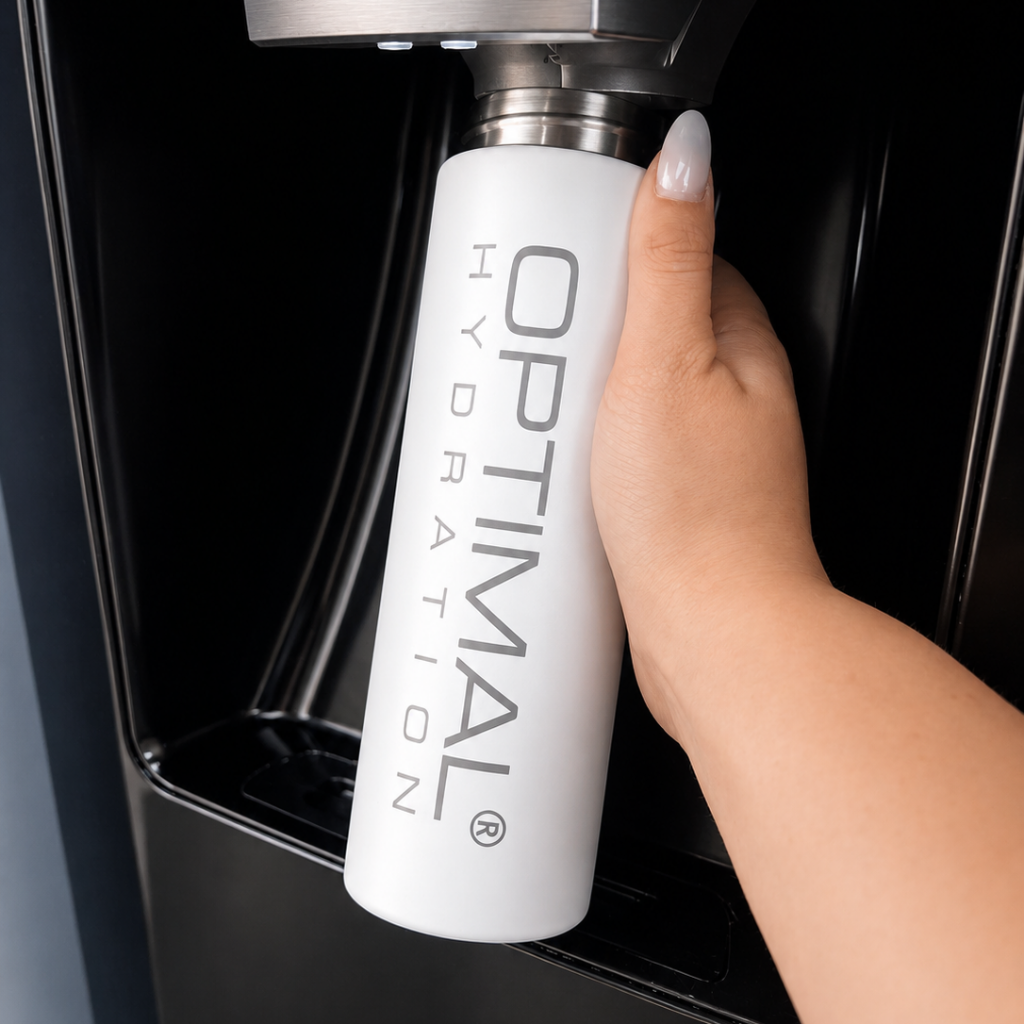
Keep water accessible: A bottle on your desk, in your bag or beside you during exercise makes drinking more convenient. The F-GO Drinking Bottle can help make water a visible and accessible part of your daily routine.
Adapt to your circumstances: Hot weather, exercise and heavy sweating can all increase your fluid needs.
Consider electrolytes when appropriate: If you're losing significant amounts of fluid through prolonged exercise or sweating, replacing electrolytes may be worth considering.
Make it a habit: Consistency is more useful than chasing a perfect daily number.
The Bottom Line
Hydration isn't about following one rigid rule or drinking as much water as possible. It's about understanding that your needs can change and building sensible habits that work for your lifestyle.
Water should form the foundation of everyday hydration, while electrolytes can have a role when fluid and electrolyte losses are higher. Keeping water accessible and drinking consistently can make good hydration much easier.
Ultimately, looking after your hydration is one simple part of supporting your energy, concentration and overall wellbeing, and sometimes, the simplest habits are the ones worth getting right.