
Is There One Correct Amount of Water?
There is a lot of advice around staying hydrated; two of the most common pieces of advice are to drink 8 glasses a day or 2 litres of water. This advice is generally good, but one-size-fits-all advice shouldn’t apply to staying hydrated.
Hydration needs vary by body size, activity level, diet, dietary requirements, and even your environment, like temperature and humidity levels.
The question you’ve got to ask yourself is: Is hydration about drinking more water or drinking more effectively?

How Much Water Should You Drink Each Day?
As mentioned, many factors affect your hydration needs. For example, if you exercise a lot, you lose water through sweat, so you need to replace those fluids by drinking more water consistently throughout the day and during your workout. This also applies when you spend time in hot weather and humid environments or travel a lot.
Your total fluid intake shouldn't come only from water; it can also come from water-rich foods, such as cucumbers, watermelons, and celery.
Hormonal shifts compound the issue. Cortisol naturally rises in the early morning hours to help you wake up, while vasopressin (a hormone that helps you regulate water balance) fluctuates overnight. The result is a body that’s primed for alertness but operating with depleted fluid and mineral reserves.
Morning thirst is your nervous system asking for restoration.
What Are The Signs Of Dehydration?
Common signs of dehydration include thirst and dry mouth, darker-coloured urine, headaches, low energy and dizziness. Although these symptoms don’t seem that dire, mixing them together can result in a pretty nasty day. To avoid this, drink water consistently throughout the day to stay hydrated.
Low hydration can also affect cognition, causing low energy and difficulty concentrating, which can become especially inconvenient at work; that is why we advise keeping a drinking bottle close by and keeping water as accessible as possible at all times. If your work is more active, in hospitality, the service industry, or athletics, not drinking enough water can really affect your performance and movement. So staying hydrated is important in all lines of work.
These symptoms can have other causes, and if they’re severe, it’s best to seek medical advice.

Is Hydration About More Than Water?
Water is an essential part of your daily routine, so it's important to stay adequately hydrated. Whilst water is important, sometimes it’s just not enough.
When you exercise or spend a lot of time in high temperatures, your body loses not only fluid but also certain minerals through sweat, such as potassium, sodium, and magnesium. These minerals are important for recovery because they help prevent cramps and support energy retention during long workouts or intense sessions.
Optimal Hydrations E+ Natural Electrolytes are well-suited for your workouts, whether taken before, during, or after exercise; they feature high-quality single-mineral ingredients plus over 72 trace minerals and elements, combined in a new proprietary process. This special mixture helps the body quickly recognise and absorb the minerals because they are in a liquid ionic state.
Along with electrolytes, another product that can help push your hydration routine to the next level is Molecular Hydrogen. Optimal Hydration’s H2+ Molecular Hydrogen Tablets make it easy to add antioxidant-rich hydration to your routine. They dissolve quickly in a glass of water and may reduce oxidative stress, protect brain health, and reduce inflammation. As explained, low hydration can cause low energy and difficulty concentrating; molecular hydrogen could help keep your energy elevated during long shifts and improve your focus and mental clarity. Like electrolytes, it may also aid recovery; it can be a great addition to your workout routine or long workdays.
Does Water Quality Matter?
Many things can affect how consistently someone drinks: taste, convenience, accessibility. It all depends on the person; some may find it easy to hydrate, almost like it’s second nature, while others may not realise they’re dehydrated until it’s too late. Similarly, some people can drink tap water, while others should consider how pure their water is when staying hydrated.
Optimal Hydration’s Plug and Play Purification Systems make it easy to incorporate consistent, optimised hydration into your daily routine, either by plugging directly into your tap or by using a desktop system you can move anywhere, from the kitchen counter to your workspace, delivering hydrogen-rich, UV-sterilised water through advanced 6-stage reverse osmosis. It’s designed for performance, wellness and everyday hydration.
How to Stay Hydrated Daily
There are so many tips out there to help you remember to hydrate, but really you just need to not make it overcomplicated; you can:




Find The Right Routine
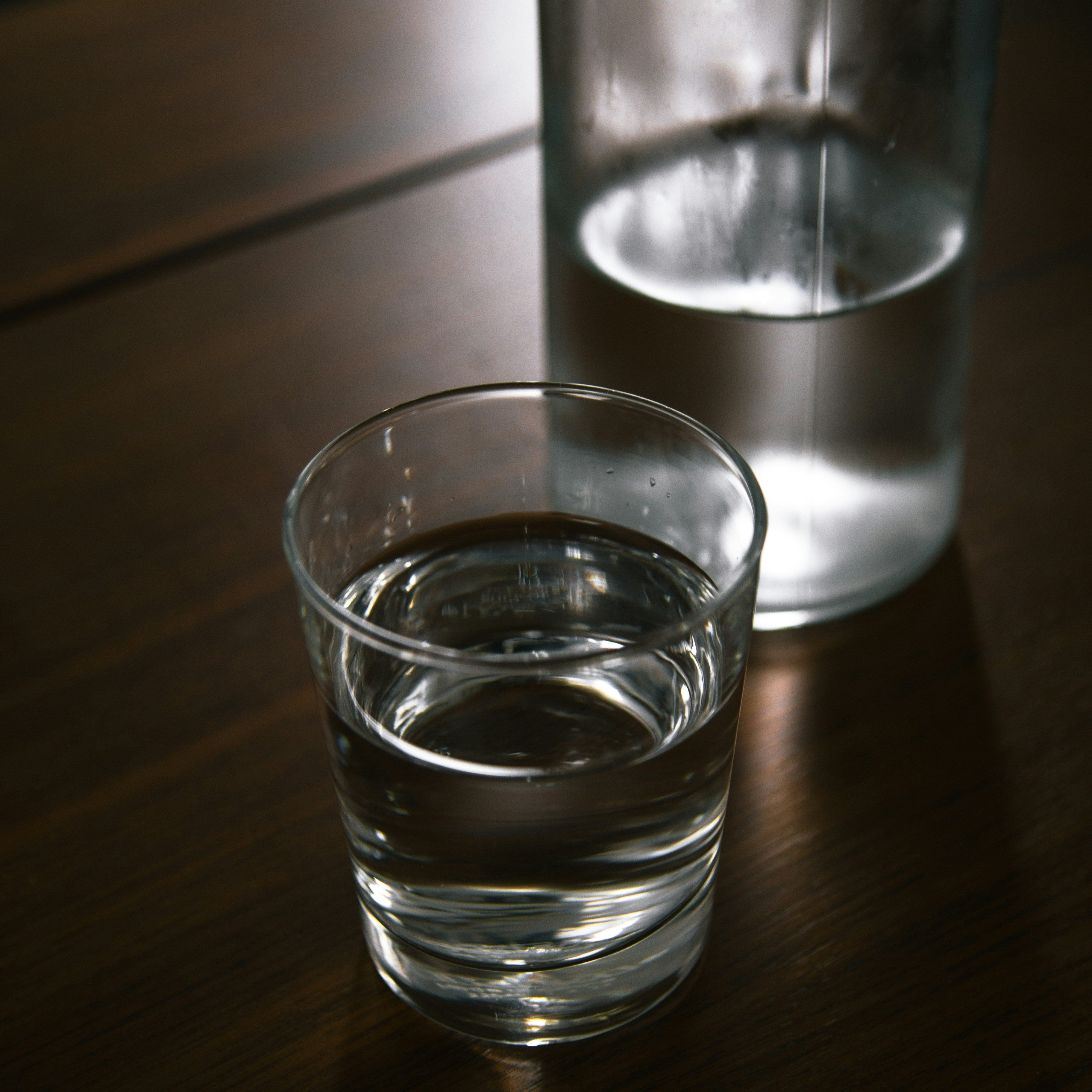
Hydration isn't about reaching a certain number of glasses. It is about responding to the signals your body gives you,based on your activity level and environment, while considering both the amount and type of fluid you consume.
FAQ
Why do I always wake up thirsty?
Overnight, your body loses water through breathing and light sweating. By morning, you’re naturally dehydrated and need to replenish what’s been lost.
Is drinking lots of water first thing in the morning enough?
Water is a good start, but it’s not always enough. Your body loses electrolytes overnight, and without them, water is harder to absorb. Supporting electrolytes before bed may help you wake up feeling more refreshed.
Does water quality affect morning hydration?
Yes, absolutely. Clean, purified water is easier to drink, gentler on your gut, and encourages more consistent water intake. When water tastes better and feels nourishing to sip, people naturally drink more of it, and wellness tools like a Quantum Bloccharge water with supportive frequencies that many users find to make it feel more vibrant and enjoyable to drink.
Can better morning hydration really improve energy and focus?
Yes, optimised morning hydration supports mental clarity, smoother energy, better digestion and gets rid of brain fog.